
(English below)
-Dans peu de temps le Soleil invaincu renaitra, si tout se passe bien, il reprendra alors la place qui est sienne apportant avec lui la lumière, l’espoir et la vie. C’est donc en son honneur que nous préparons les festivités du Solstice d’hiver connu chez les Slaves comme Szczodre Gody ou chez les Germano / Scandinaves comme Jul. Mais il ne faut pas également oublier Weles, le Dieu présent en hiver comme le maître incontesté, plus seulement de Nav la terre des Morts, mais également de Jav notre monde où il règne durant toute la saison sombre avec Marzanna (la Déesse de l’hiver et de la mort ainsi que du renouveau) à ses cotés. Weles, à notre époque est connu à travers différents noms tels que saint Blaize, saint Nicolas ou encore le Père Noël lui-même à cause des chrétiens. Ils ont voulu à la fois le faire devenir un saint pour mieux imposer leur religion mais également à le décrire comme un démon dû à ses représentations parfois cornues. Cependant rien n’y a fait, cette dernière représentation ne fut pas acceptée par les gens et c’est ainsi que Weles a le rôle du distributeur de cadeau.
-Weles cache les trésors de la terre, de la vie sous une couche de neige, de pluie ou de glace pour les libérer au printemps, il bénit nos maisons et ses occupants et apporte la santé. Autrefois à cette période, les Volkhvs, les prêtres Slaves s’habilleaient en rouge pour apporter tous des cadeaux et bénir les gens au nom de Weles, c’est donc tout naturellement qu’il a le rôle maintenant du Père Noël tout comme d’autres divinités dans les différents panthéons Européen (Odin / Wotan par exemple chez les Germano / Scandinaves).
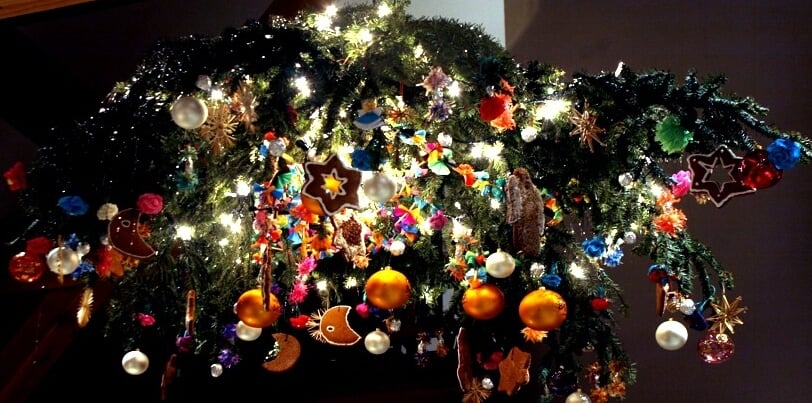
-Chez les Slaves donc à partir du jour du Solstice on fêtera durant 12 jours le renouveau du soleil avec un bucher pour aider la lumière à revenir et à son sommet une roue solaire, on y placera différentes offrandes et Dazbog, Swarog, Weles et Marzanna ainsi que les Ancêtres seront honorés souvent en famille ou au sein d’un clan. Les sapins seront décorés avec une étoile au sommet symbolisant Rod le père de toutes choses, certains préféreront accrocher au plafond la typique décoration slave appelé Podlazniczka (des branches de sapins décorés), et parmi quelques personnes, une bûche typique des traditions Germaniques, qui indique clairement des échanges entre les 2 peuples au niveau spirituel, sera apporté au foyer, elle aussi décoré et on la brûlera avec nos souhaits pour la saison claire qui approche et Torun qui réapparaitra bientôt!
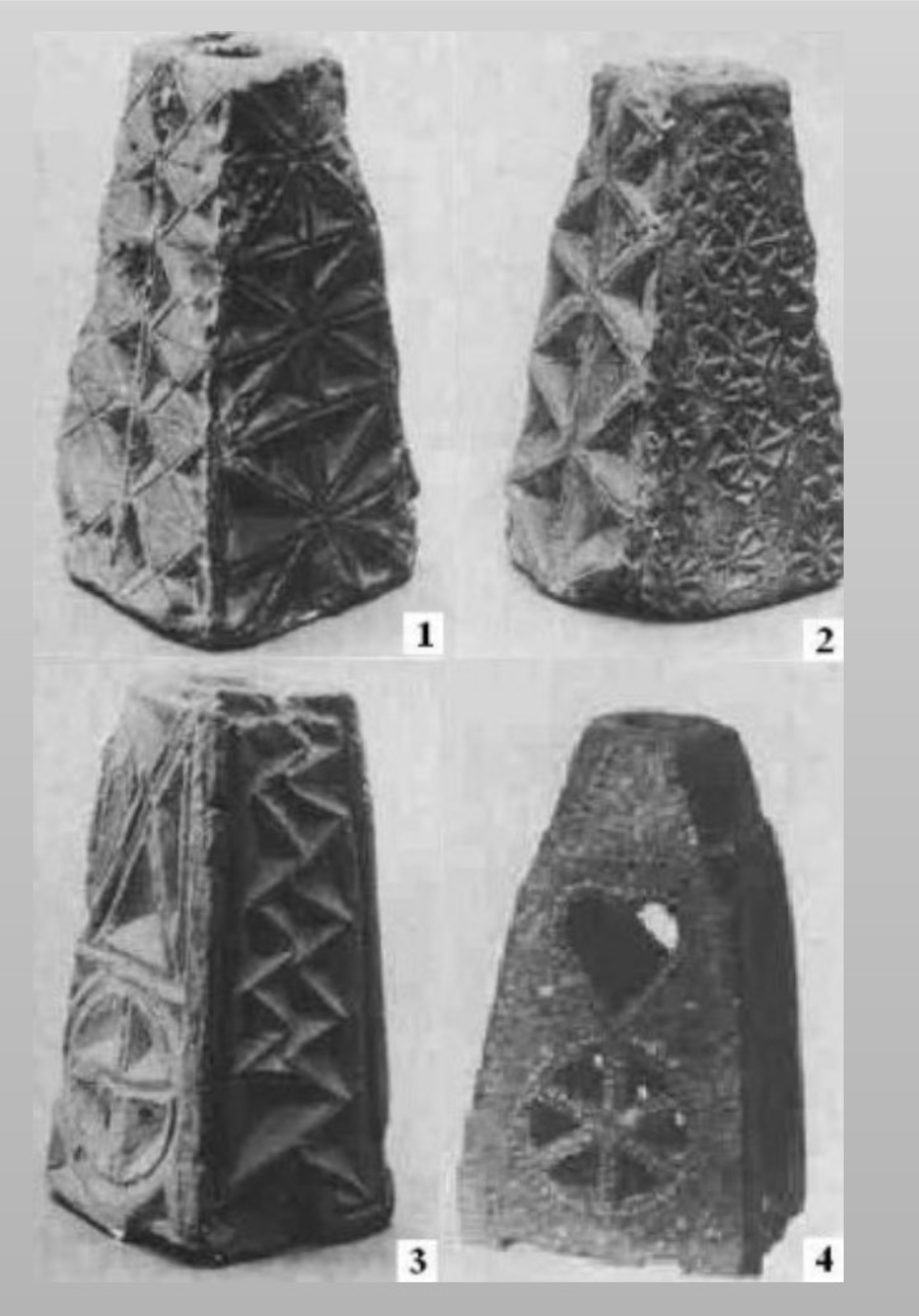
-Les Asatru et Odinistes ont également leurs façons de célébrer le Solstice avec la tour de jul, la buche, le sapin et les rituels en l’honneur des Dieux et des Ancêtres. Je vous laisse donc les liens concernant ces pratiques, dans des articles écrits sur ce site par le président de l’association « Les Fils d’Odin » qui vous donneront des informations claires.
Gloire au Soleil invaincu, Slawa Dazbog!
Wieslaw J
–Liens:
_________(English):
-In a short time the undefeated Sun will be reborn, if all goes well, it will then take back its rightful place, bringing with it light, hope and life. It is therefore in his honor that we prepare the festivities of the Winter Solstice known among the Slavs like Szczodre Gody or among the Germans / Scandinavians like Jul. But we must not also forget Weles, the God present in winter as the undisputed master, no longer only of Nav the land of the Dead, but also of Jav our world where he reigns throughout the dark season with Marzanna (the Goddess of the Dead, winter and death as well as renewal) at his side. Weles, in our time is known through different names such as Saint Blaize, Saint Nicholas or even Santa Claus himself because of Christians. They wanted both to make him become a saint to better impose their religion but also to describe him as a demon due to his sometimes horned representations. However nothing worked, this last performance was not accepted by people and so Weles has the role of the gift distributor.
-Weles hides the treasures of the earth, of life under a layer of snow, rain or ice to release them in the spring, he blesses our homes and its occupants and brings health. Formerly in this period, the Volkhvs, the Slavic priests would dress in red all to bring gifts and bless people on behalf of Weles, so it is only natural that he now has the role of Santa Claus as well as of other deities in the different European pantheons (Odin / Wotan for example among the Germano / Scandinavians).
-In the Slavs therefore from the day of Solstice we will celebrate for 12 days the renewal of the sun with a pyre to help the light to return and at its top a sun wheel, we will place different offerings and Dazbog, Swarog, Weles and Marzanna as well as the Ancestors will often be honored in family or within a clan. The firs will be decorated with a star at the top symbolizing Rod the father of all things, some will prefer to hang from the ceiling the typical Slavic decoration called Podlazniczka (decorated branches), and among a few people, a typical log of Germanic traditions, which indicates clearly exchanges between the 2 peoples on a spiritual level, will be brought to the hearth, it also decorated and we will burn it with our wishes for the clear season which is approaching and Torun which will reappear soon!
-Asatru and Odinists also have their ways of celebrating the Solstice with the tower of Jul, the log, the tree and the rituals in honor of the Gods and the Ancestors. I therefore leave you the links concerning these practices, in articles written on this site by the president of the association « Les Fils d’Odin » which will give you clear information.
(Links above)
Glory to the undefeated Sun, Slawa Dazbog!
Wieslaw J
 Sciezka Rodnovera
Laisser un commentaire