
(English below)
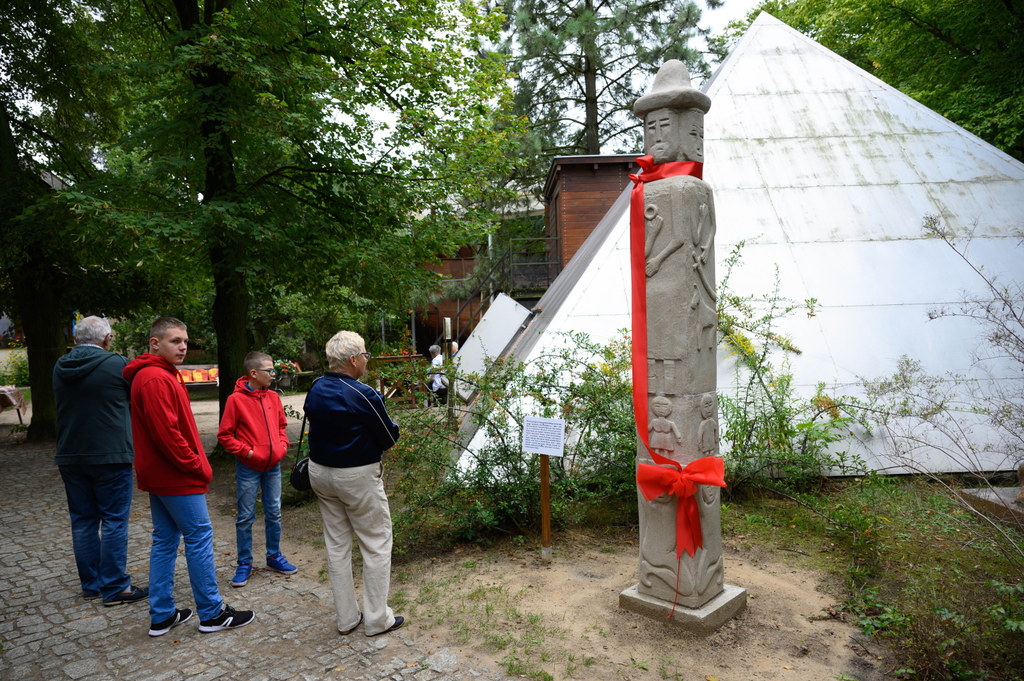
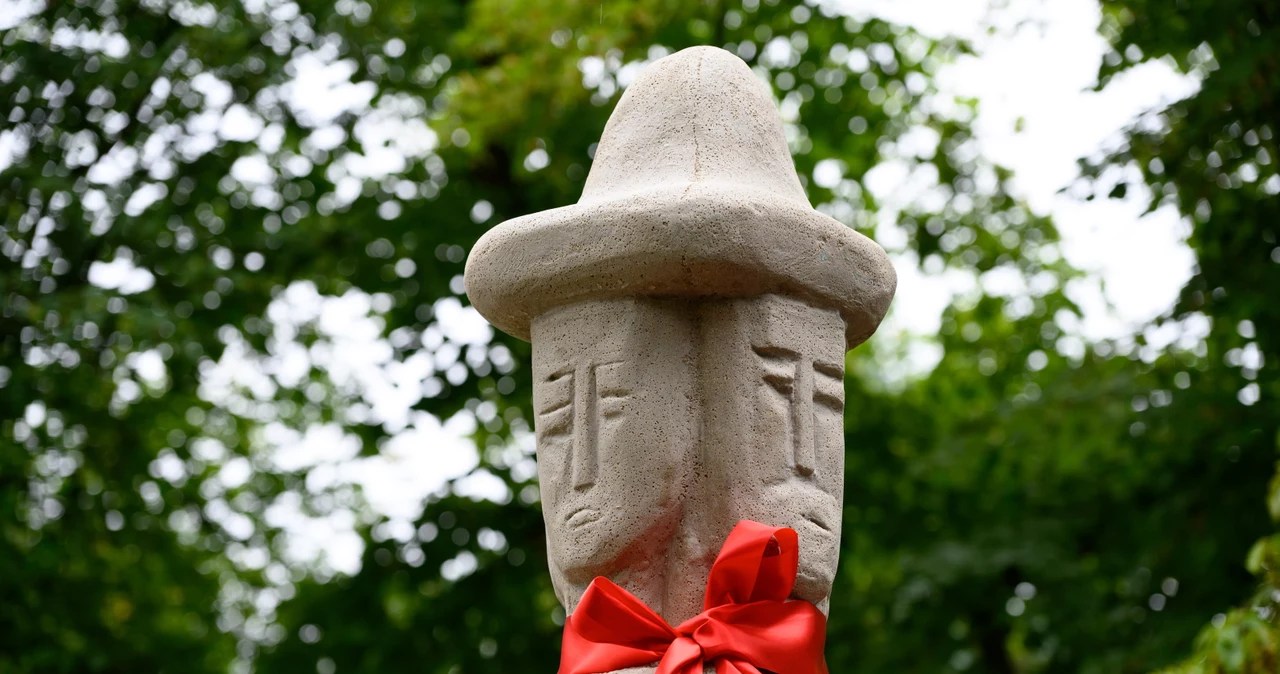
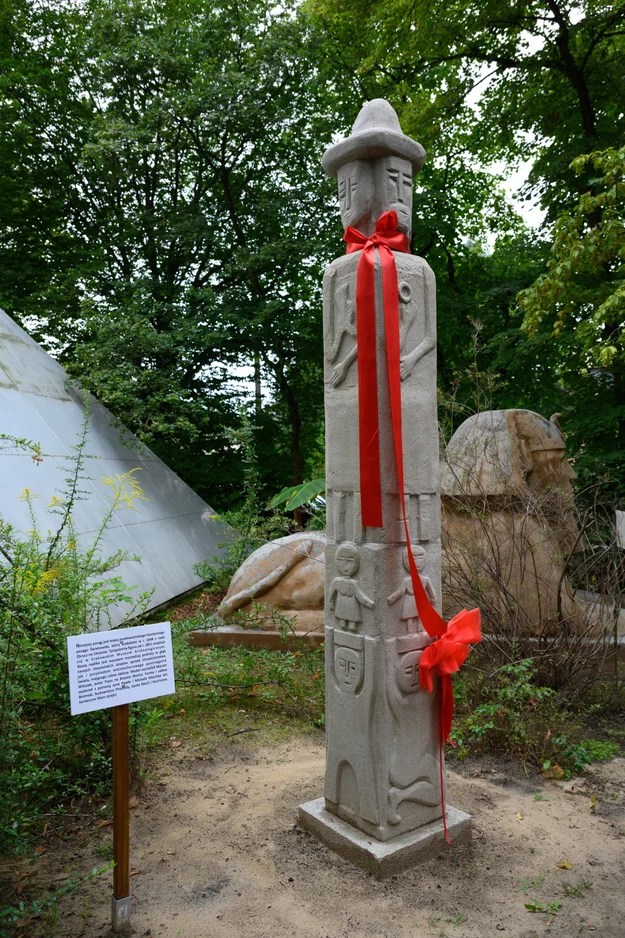
-1- Une nouvelle statue de Zbrucz a été érigée à Puszczyków près de Poznań! Une excellente nouvelle après la destruction de plusieurs statues de divinités Slaves à travers la Pologne. Cette copie de la célèbre statue qui se trouve au musée de Cracovie, se trouve dans le jardin du musée-atelier littéraire Arkady Fiedler.
-Même s’il ne faut pas espérer pouvoir y déposer des offrandes ou tenter quelconque rituel, cette réplique rappellera aux gens leur histoire, leurs Dieux et leurs Déesses et la richesse de leur passé.
-Pour rappel cette statue haute de 2m57 (dont l’originale devait être peinte) représente un mini-panthéon Slave et les 3 niveaux de l’univers. Le monde des Dieux en haut, le monde des humains au milieu et celui des morts en bas représenté par Weles le gardien des morts. En haut se trouve une image de Svetovit (certains diront Perun) avec une épée et un cheval, à côté il y a Dazbog le Dieu solaire, et sur les deux dernières faces on peut y apercevoir Mokosz et sa corne et Lada tenant son anneau, respectivement Déesse de la filature, des femmes, du destin et de la fertilité, et Lada Déesse de l’amour, mère des Dieux.
–Liens:
__________________
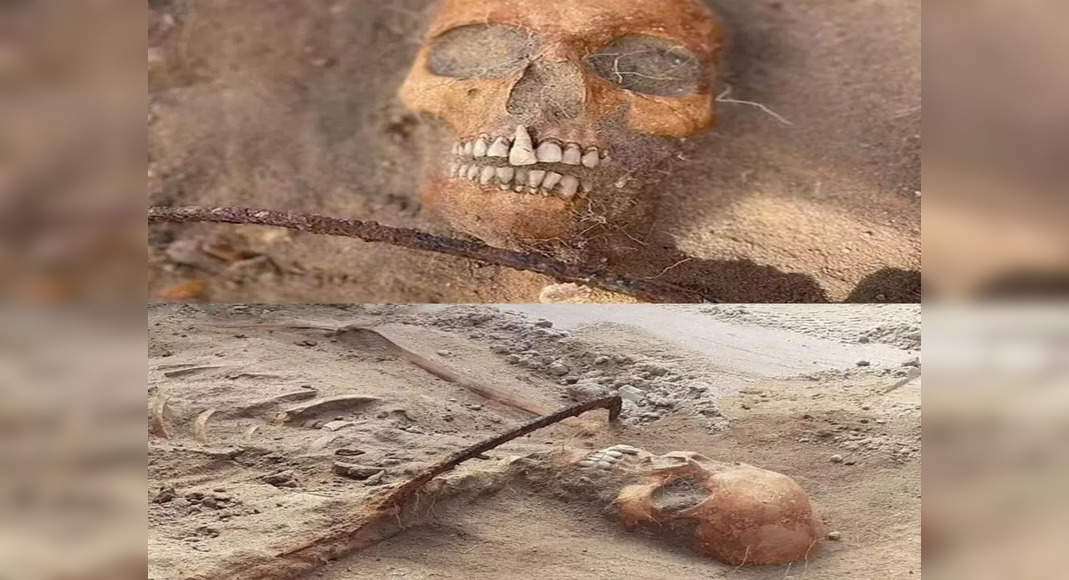
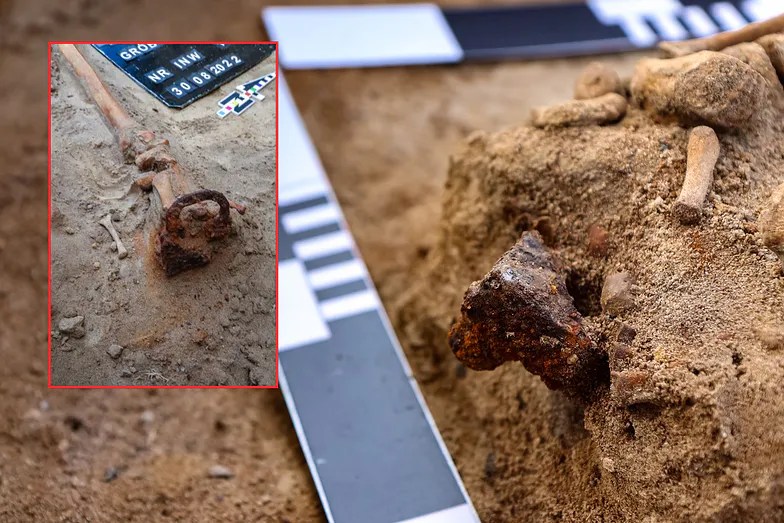
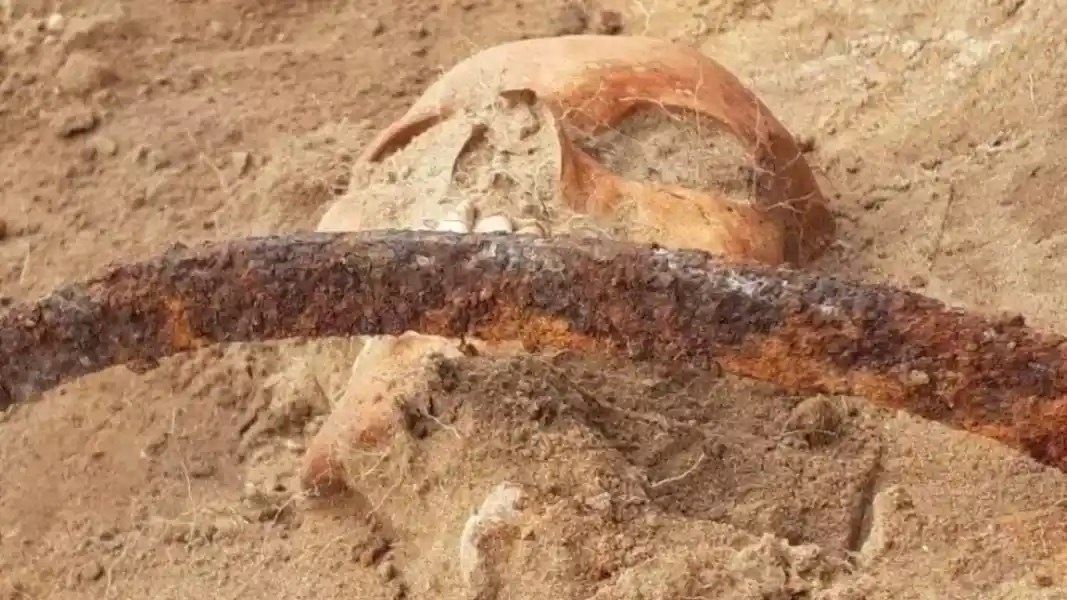
-2- La tombe d’une femme dite vampire, a été découverte à Pniu (voïvodie de Kujawsko-Pomorskie). Elle a été enterrée avec une faucille autour du cou et un cadenas verrouillé autour de son orteil. Récemment, des archéologues sont tombés sur une tombe similaire, cette fois appartenant à un enfant. Celui-ci avait entre 5 et 7 ans et lors de sa mort il a été posé face contre terre. Ce type de position était utilisé pour éviter que la personne ne puisse sortir de sa tombe.
-Comme pour la femme l’enfant avait un cadenas autour du pied. Cependant peu de temps après l’enterrement, quelqu’un est venu déterrer une partie du corps pour l’éparpiller un peu partout (une énième protection contre le jeune vampire?). En effet les archéologues ont retrouvé à proximité des os de mains, de mâchoires, de crânes…
-Des traces de verdure au niveau de la mâchoire laissent penser qu’ils ont été enterrer avec une pièce de cuivre dans la bouche…
–Lien:
__________________
-3- Il y a 1 an de cela le magazine National géographic proposait un article sur les Slaves et leur origine. A première vue ce devait être un super article, avec peut-être de nouvelles découvertes et vérité historique… A la place nous avons eu le droit à un dénigrement hallucinant des anciens Slaves, les traitant de mendiant, d’incultes, de suiveurs, de pauvres dans tous les sens du terme… Une véritable honte que cet article qui a été suivi 1 an plus tard en 2023 d’un autre article sur la religion Slave tout aussi catastrophique.
-Pour des personnes qui s’intéressent à la recherche, à l’histoire et l’archéologie avoir une telle piètre opinion du peuple Slave est tout simplement aberrant et triste.
–note: à ne plus lire!
–Liens:
https://www.national-geographic.pl/artykul/skad-sie-wzieli-slowianie
__________________
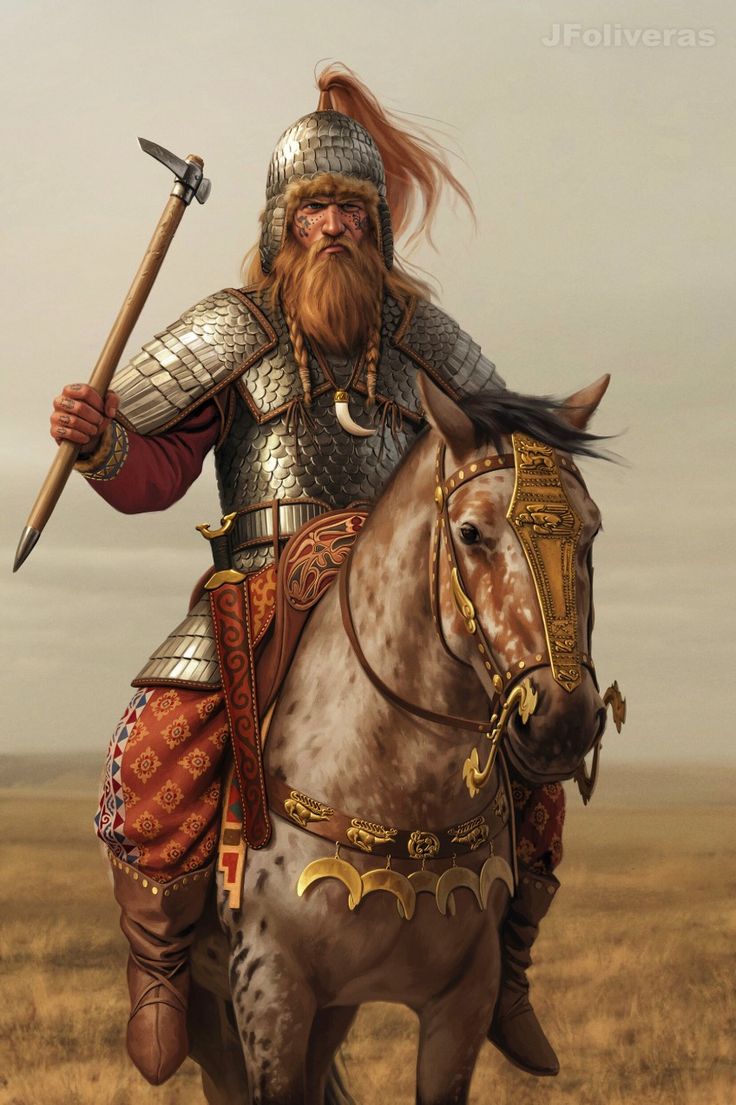
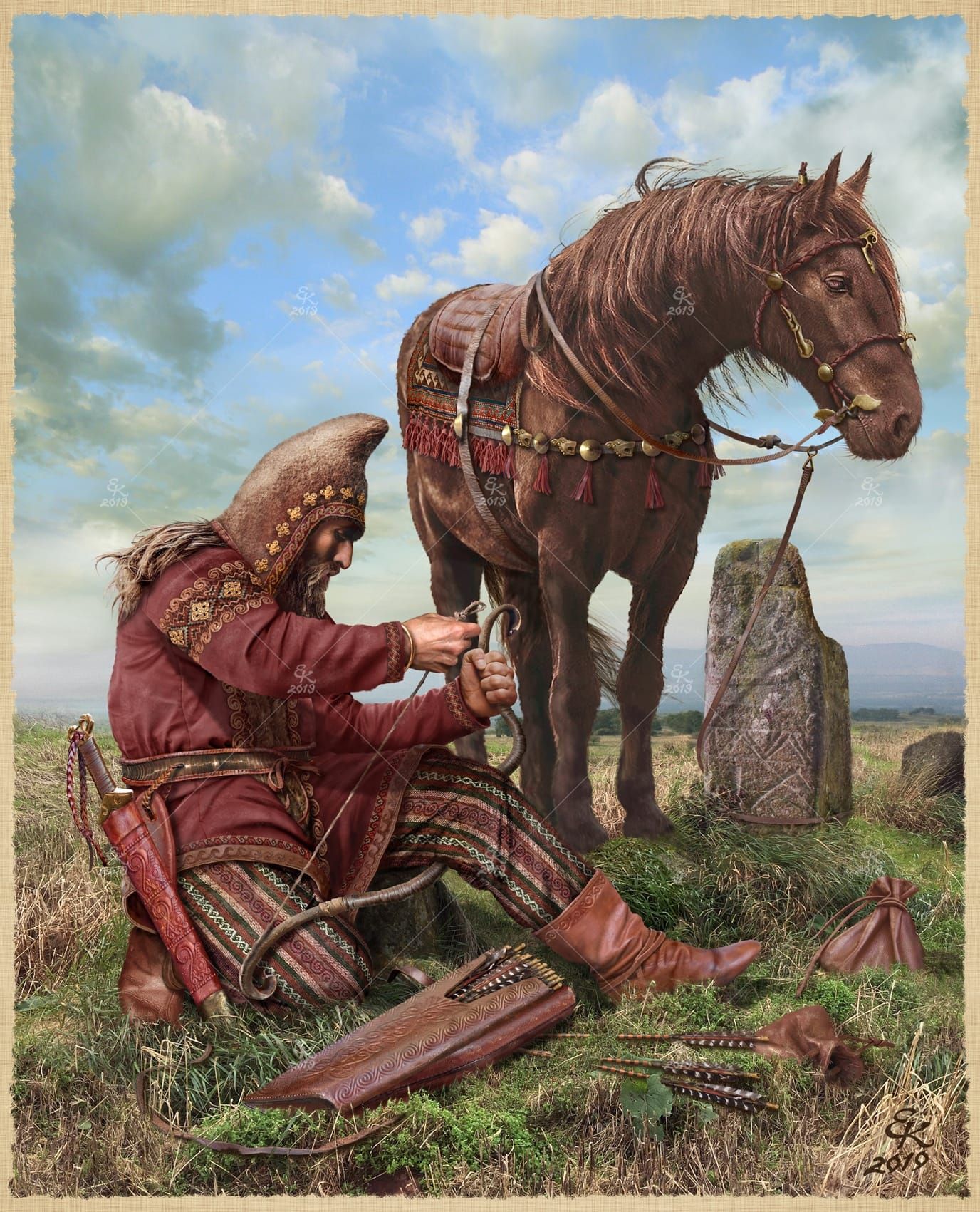
-4- Une jolie découverte de deux tombes scythes dont celle d’un guerrier scythe en Pologne, à proximité du cimetière de la population locale, suggère que les guerriers Iraniens côtoyer pacifiquement les Autochtones. Cette tombe date de la période comprise entre la fin du 7ème et le début du 6ème siècle avant notre ère », explique le Dr Burghardt. qui s’occupe de fouilles.
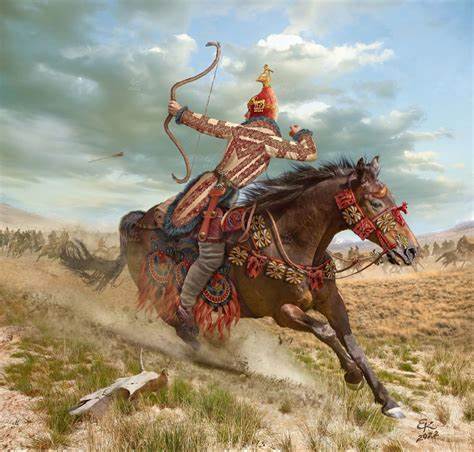
-Le peuple présent sur ces terres il y a plus de 2500 ans provient de la culture de Lusace à Tarnobrzeg, des proto-slaves et ces derniers incinérés leurs morts avec quelques objets du quotidien, des céramiques comprenant des boissons et de la nourriture ainsi que des vêtements. Contrairement aux Scythes qui eux ne pratiquaient pas la crémation, c’est ainsi que l’on a pu retrouver ce guerrier scythe avec des ornementations, des armes (arcs, piolets/haches typiquement Scythe et des accessoires domestiques, artefacts).
-Cette découverte faite à Sobiecin, près de Jarosław, dans la voïvodie des Basses-Carpates nous rappelle que des peuples Scythes ont toujours plus ou moins étaient en contact avec les proto-Slaves ce qui peut nous aider à comprendre certaines influences religieuses entre autres.
–Lien:
Wieslaw J
__________________(English):
-1- A new statue of Zbrucz has been erected in Puszczyków near Poznań! Excellent news after the destruction of several statues of Slavic deities across Poland. This copy of the famous statue, which is in the Krakow Museum, is located in the garden of the Arkady Fiedler Museum-Literary Workshop.
-Even if we should not hope to be able to place offerings there or attempt any ritual, this replica will remind people of their history, their Gods and Goddesses and the richness of their past.
-As a reminder, this 2m57 high statue (the original of which had to be painted) represents a mini-Slavic pantheon and the 3 levels of the universe. The world of the Gods at the top, the world of humans in the middle and that of the dead at the bottom represented by Weles the guardian of the dead. At the top is an image of Svetovit (some would say Perun) with a sword and a horse, next to it is Dazbog the Sun God, and on the last two sides we can see Mokosz and his horn and Lada holding her ring, respectively Goddess of spinning, women and destiny and fertility, and Lada Goddess of love, mother of the Gods.
(Links above)
__________________
-2- The grave of a so-called vampire woman was discovered in Pniu (Kujawsko-Pomorskie voivodeship). She was buried with a sickle around her neck and a padlock locked around her toe. Recently, archaeologists came across a similar grave, this time belonging to a child. He was between 5 and 7 years old and when he died he was placed face down. This type of position was used to prevent the person from getting out of their grave.
-As for the woman, the child had a padlock around his foot. However, shortly after the burial, someone came to dig up part of the body to scatter it everywhere (yet another protection against the young vampire?). In fact, archaeologists have found nearby: hand bones, jaw bones, skull bones, etc.
-Traces of greenery at the jaw suggest that they were buried with a copper coin in their mouth…
(Link above)
__________________
-3- 1 year ago the National Geographic magazine offered an article on the Slavs and their origin. At first glance this should have been a great article, with perhaps new discoveries and historical truth… Instead we were treated to an incredible denigration of the ancient Slavs, calling them beggars, uneducated, followers , poor in every sense of the word… A real shame is this article which was followed 1 year later in 2023 by another article on the Slavic religion, just as catastrophic.
-For people who are interested in research, history and archeology to have such a low opinion of the Slavic people is simply aberrant and sad.
-note: do not read again!
(Links above)
__________________
-4- A nice discovery of two Scythian tombs including one of a Scythian warrior in Poland, near the cemetery of the local population, suggests that the Iranian warriors rubbed shoulders peacefully with the Natives. This tomb dates from the period between the end of the 7th and the beginning of the 6th century before our era,” explains Dr Burghardt. who takes care of excavations.
-The people present on these lands more than 2500 years ago come from the Lusatian culture in Tarnobrzeg, the proto-Slavs cremated their dead with some everyday objects, ceramics including drinks and food as well as clothes. Unlike the Scythians who did not practice cremation, this is how we were able to find this Scythian warrior with ornaments, weapons (bows, ice axes/axes typically Scythian and domestic accessories, artifacts).
-This discovery made at Sobiecin, near Jarosław, in the Subcarpathian voivodeship reminds us that Scythian peoples were always more or less in contact with the proto-Slavs, which can help us understand certain religious influences among others.
(Link above)
Wieslaw J
 Sciezka Rodnovera
Laisser un commentaire