
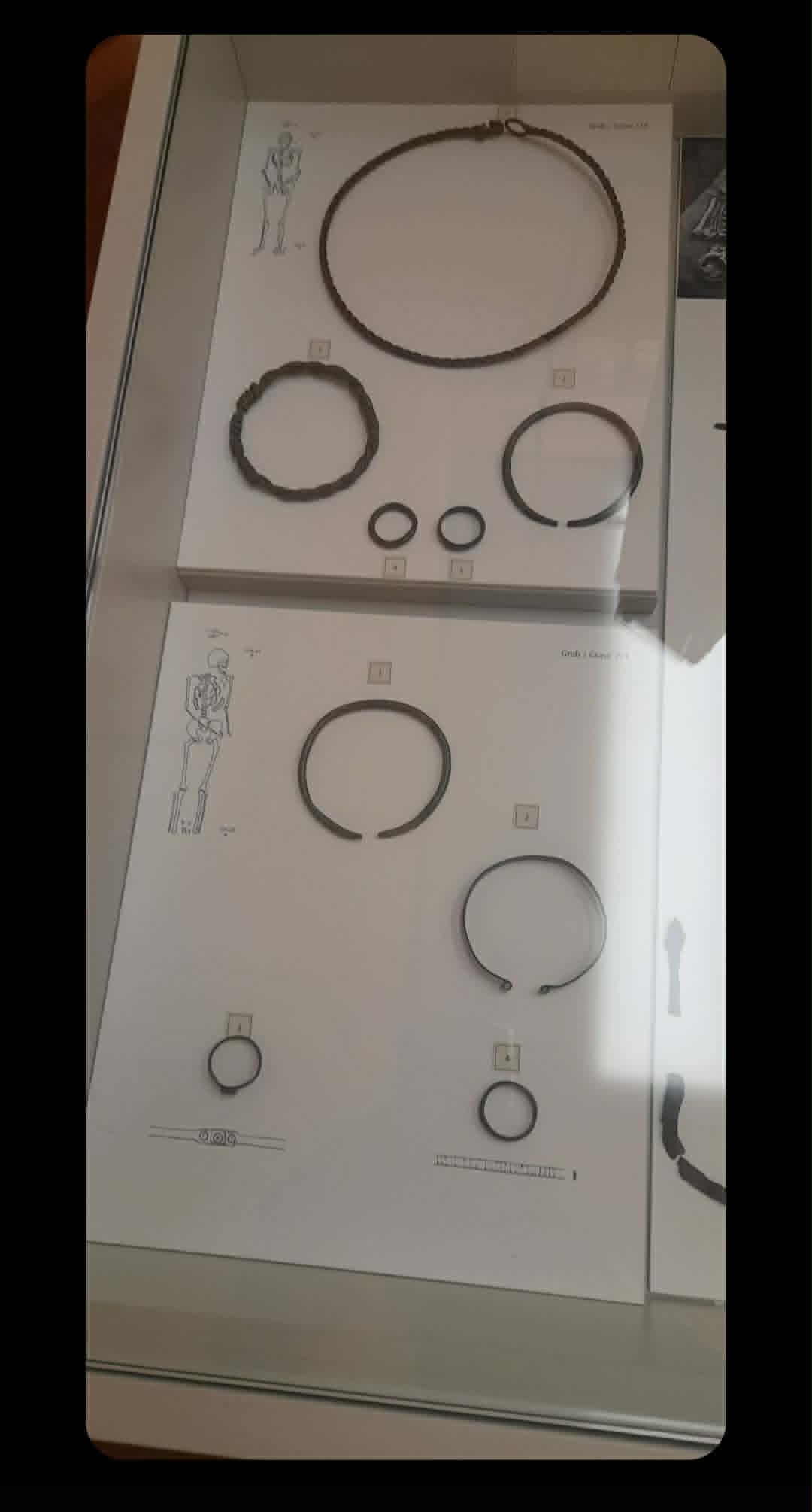
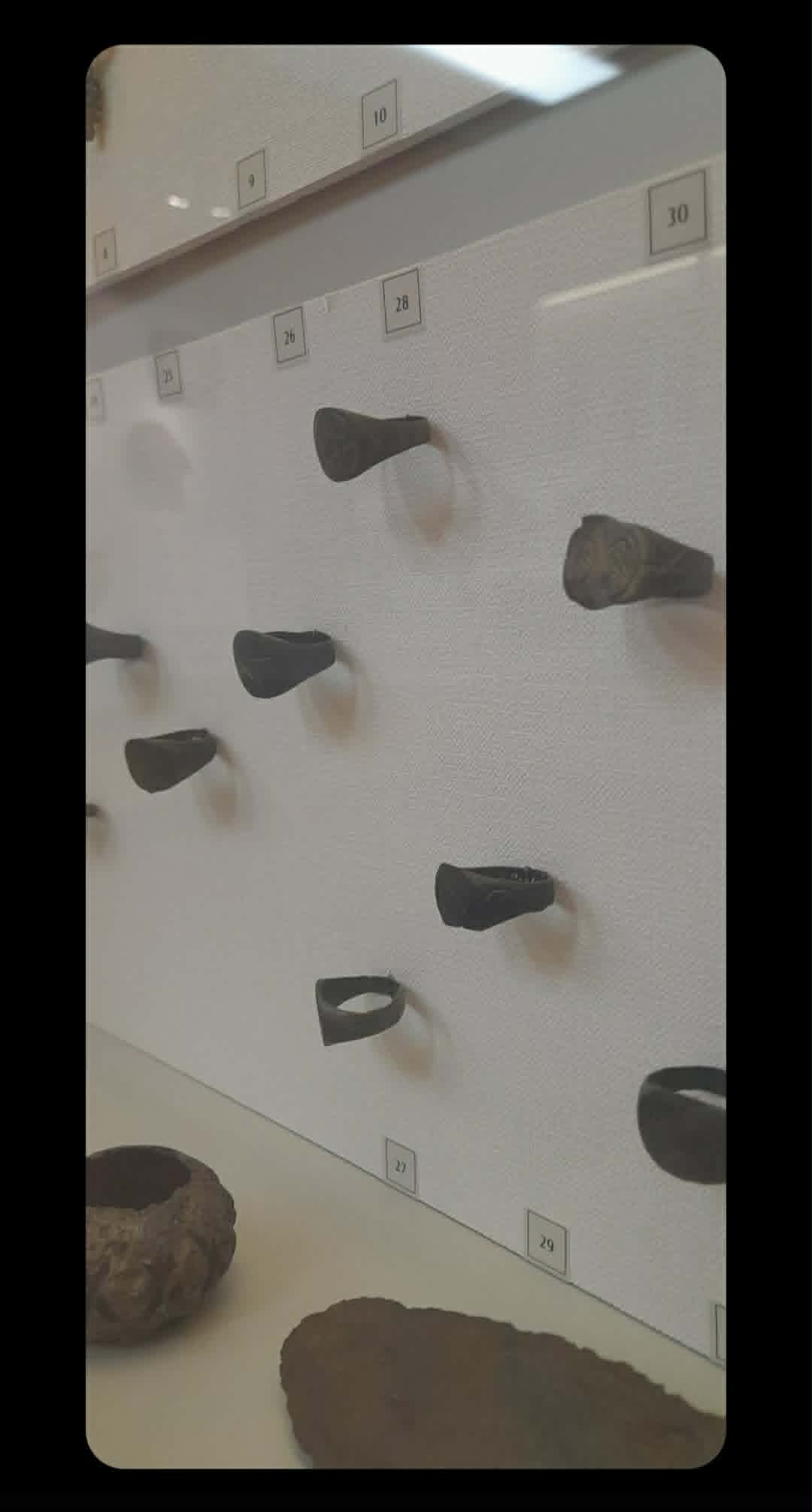
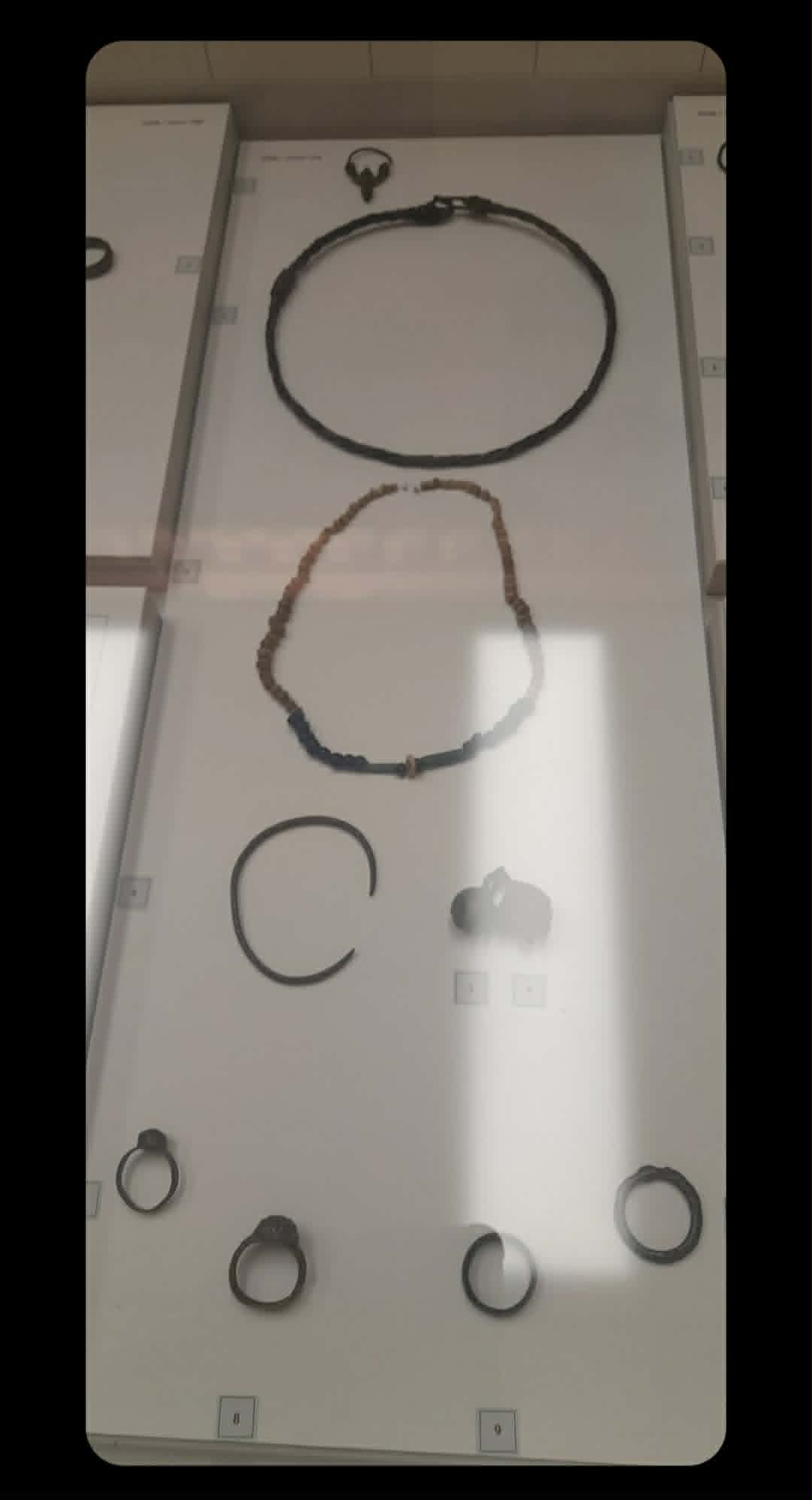
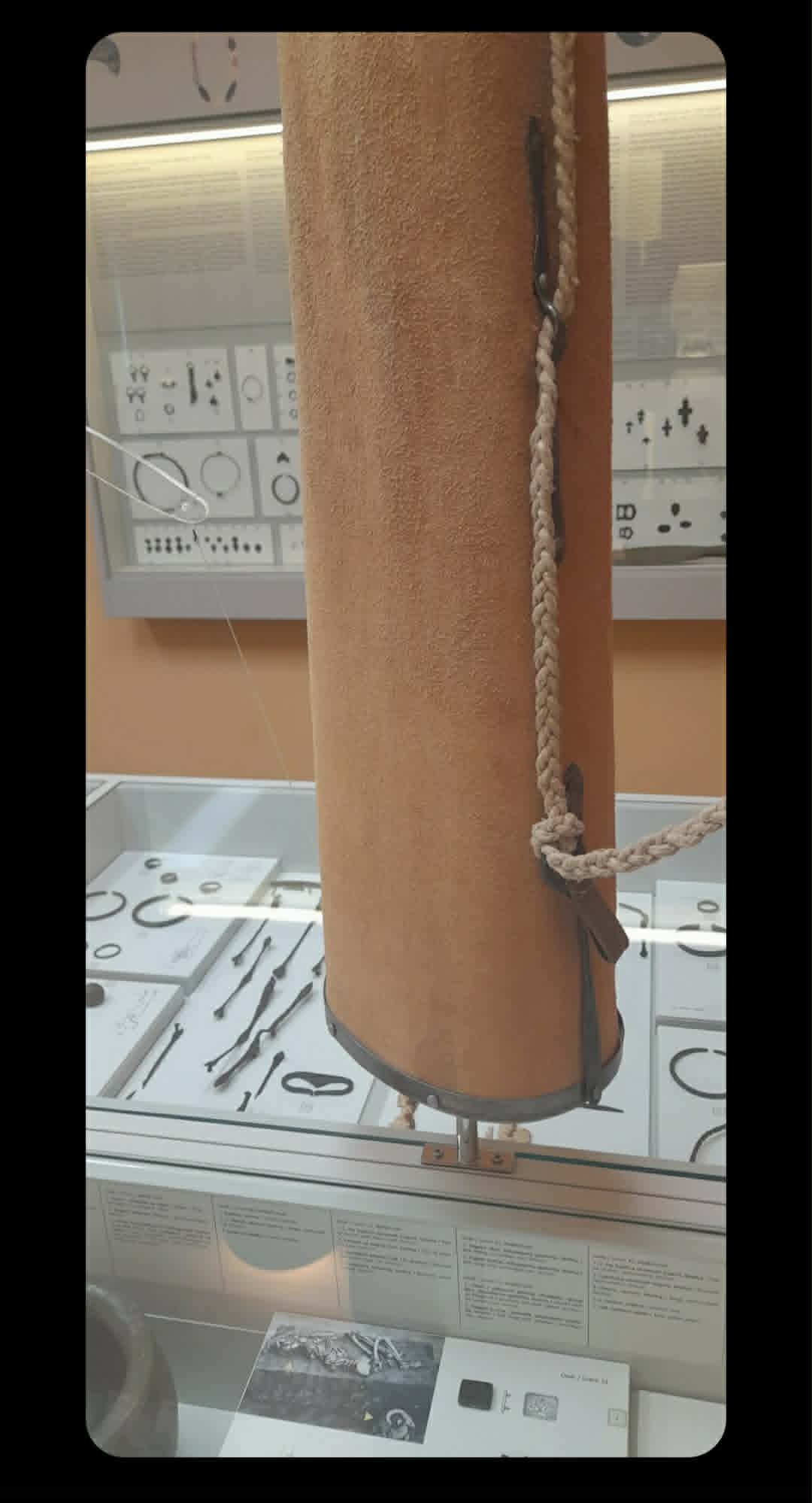
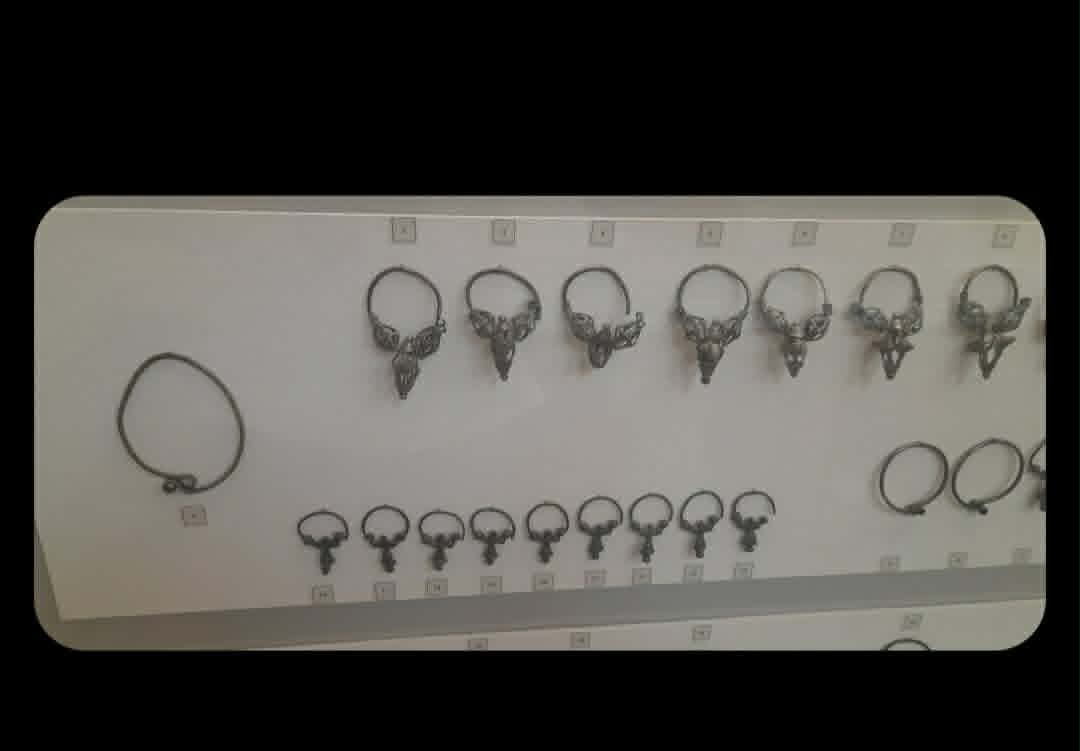
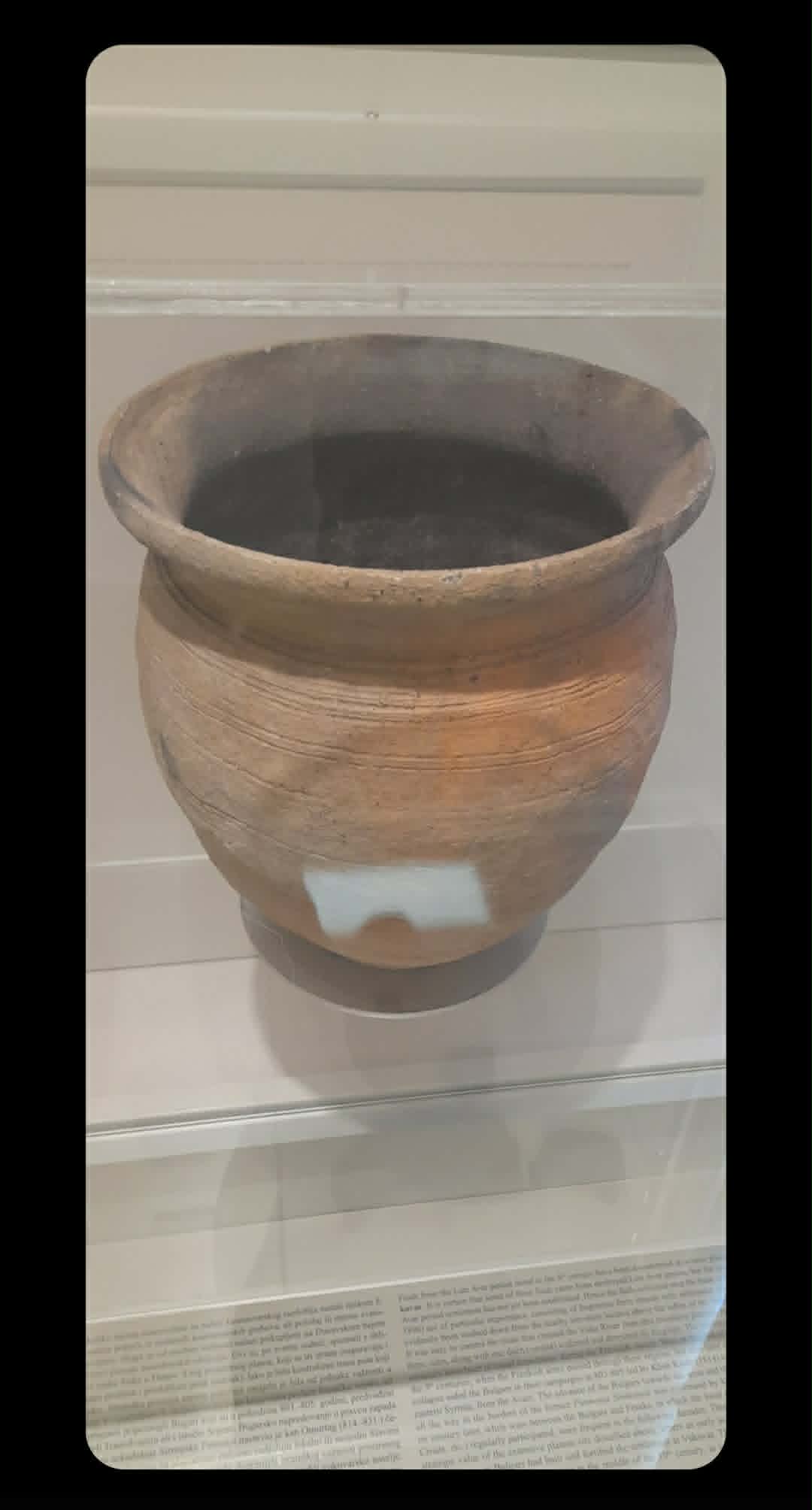
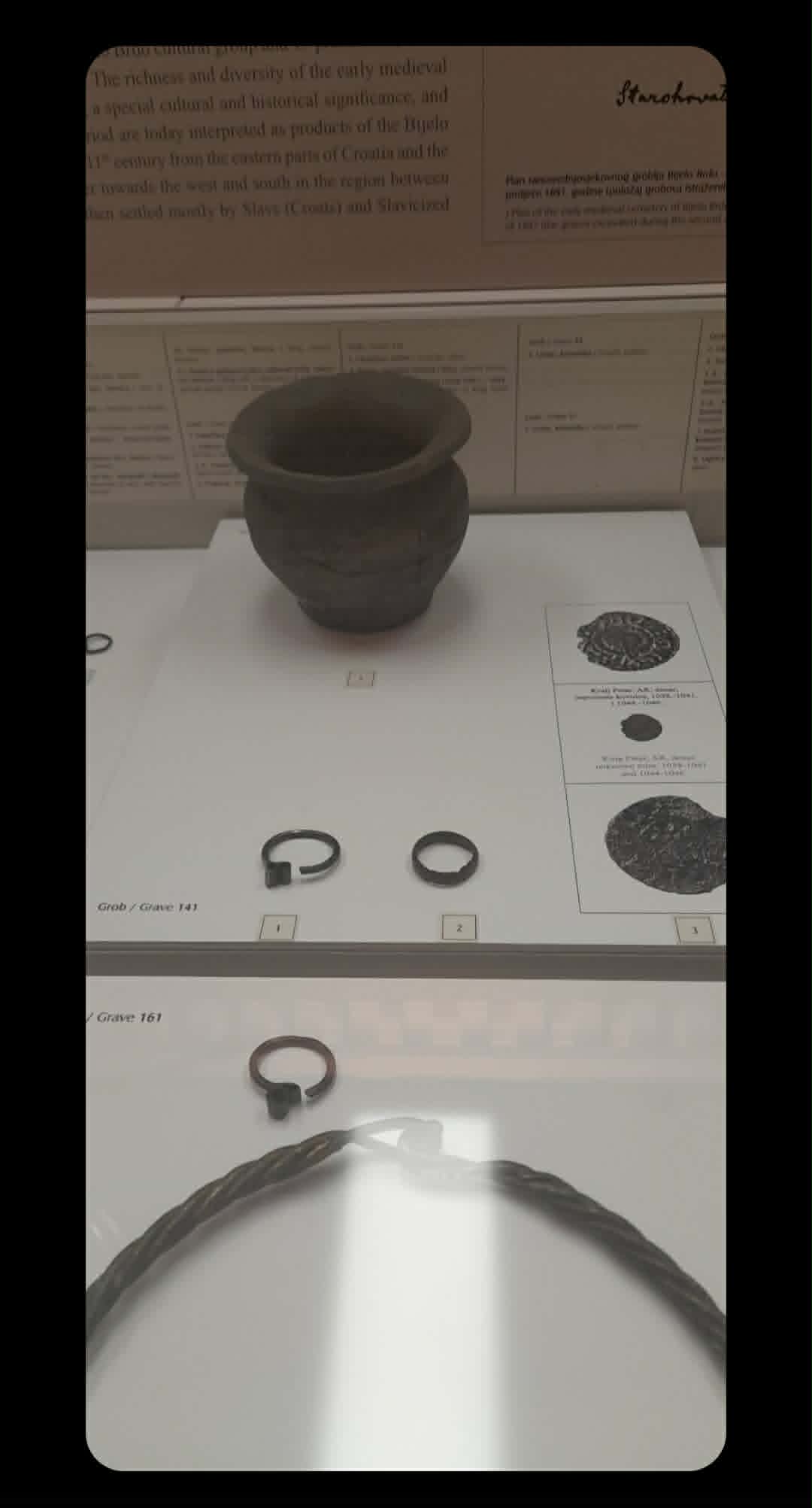
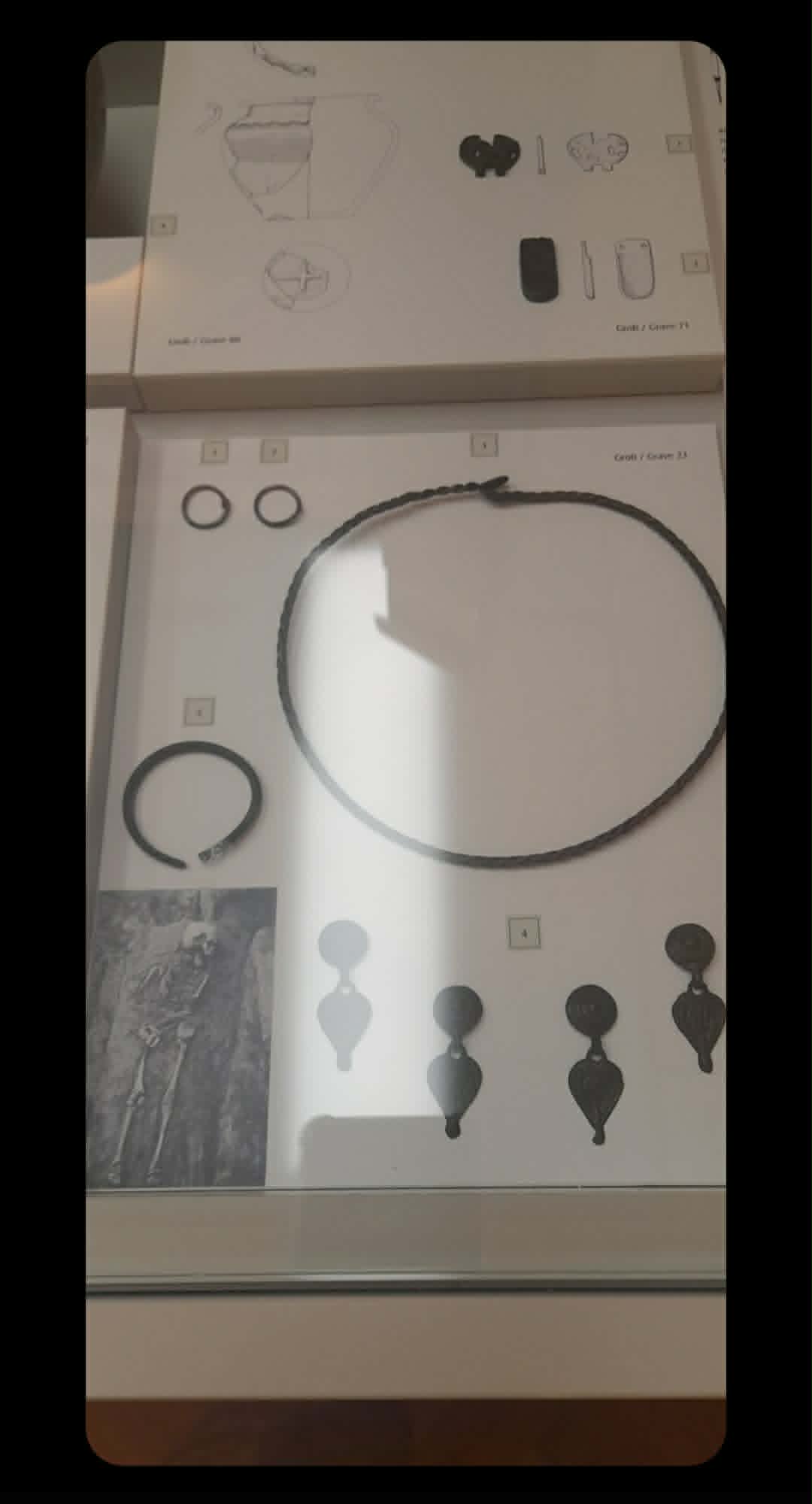
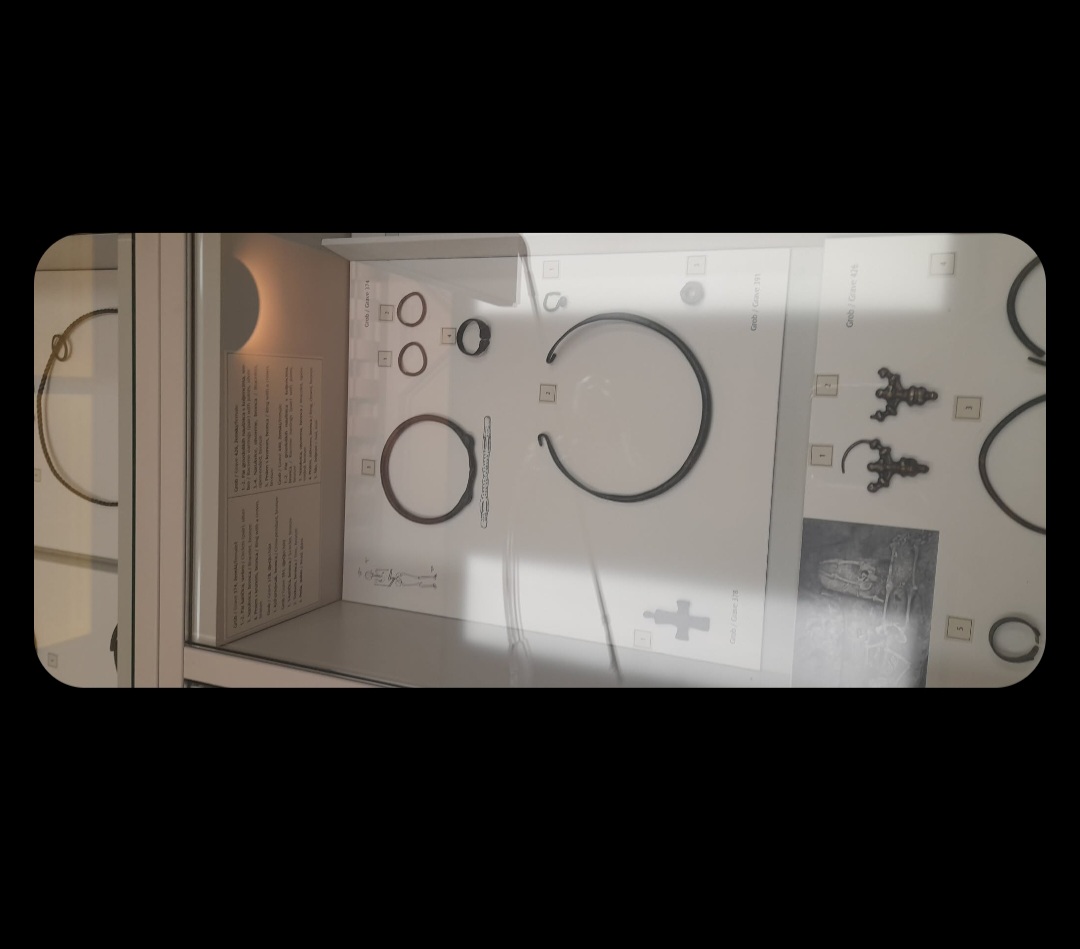
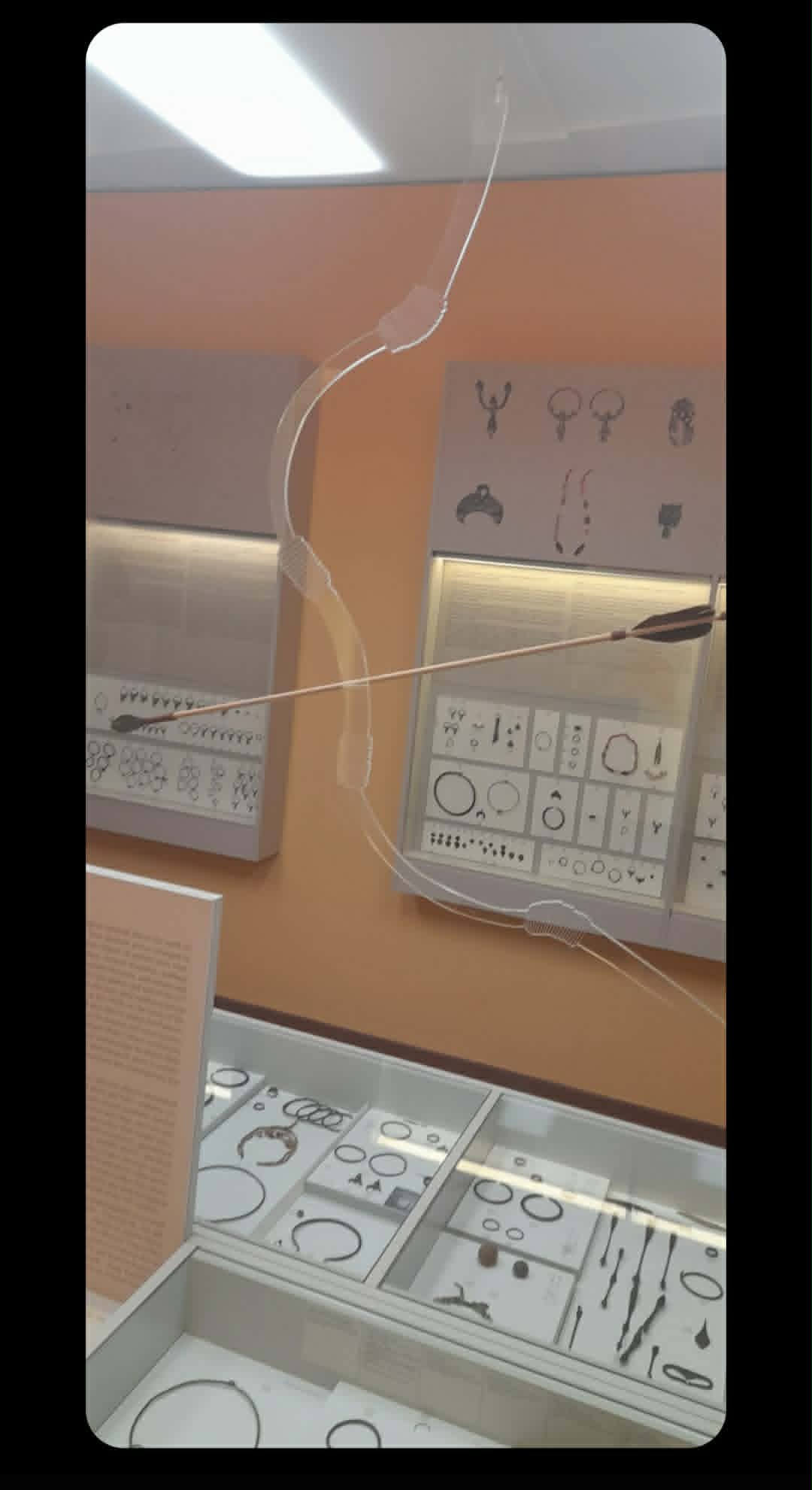
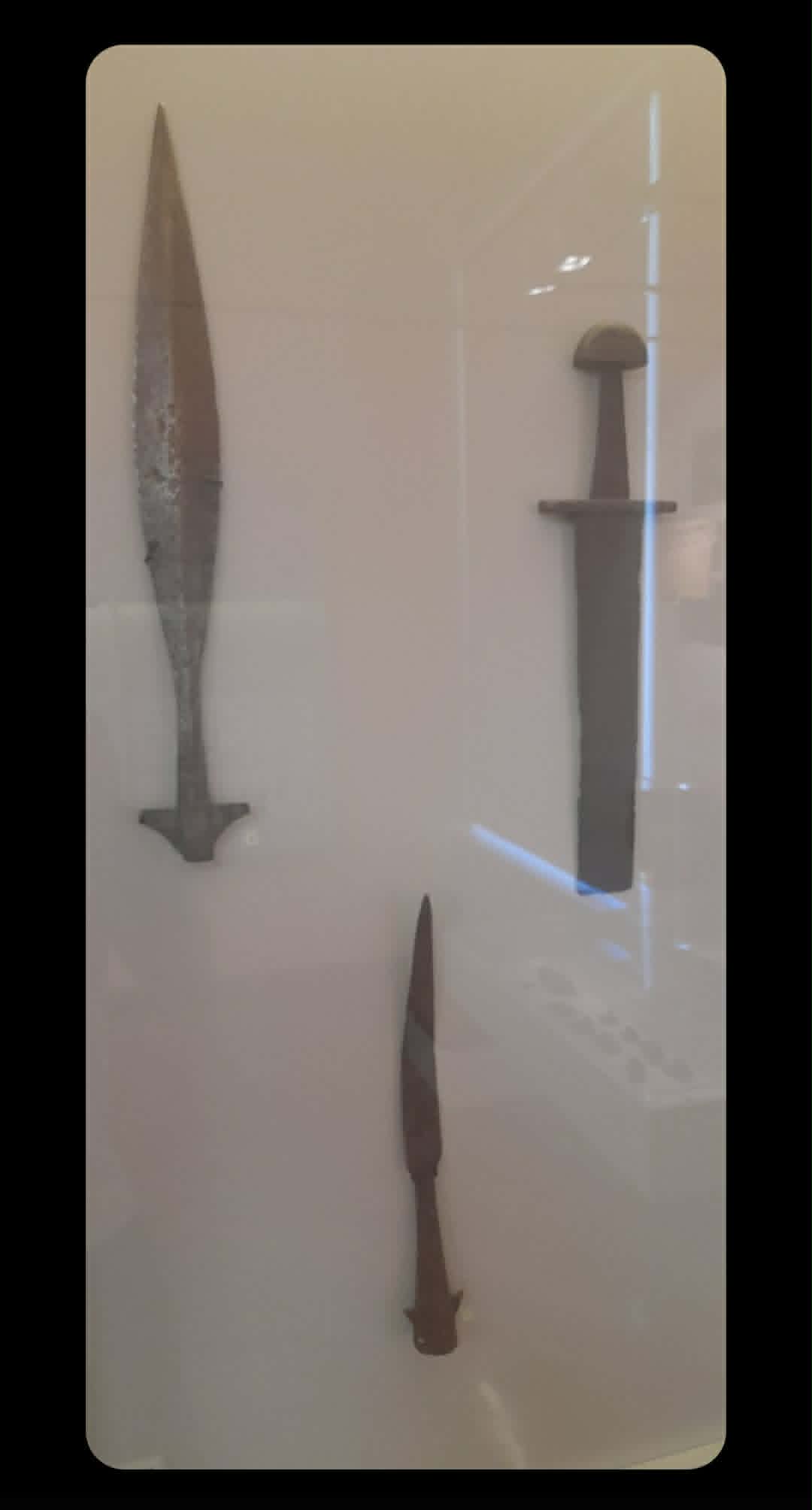
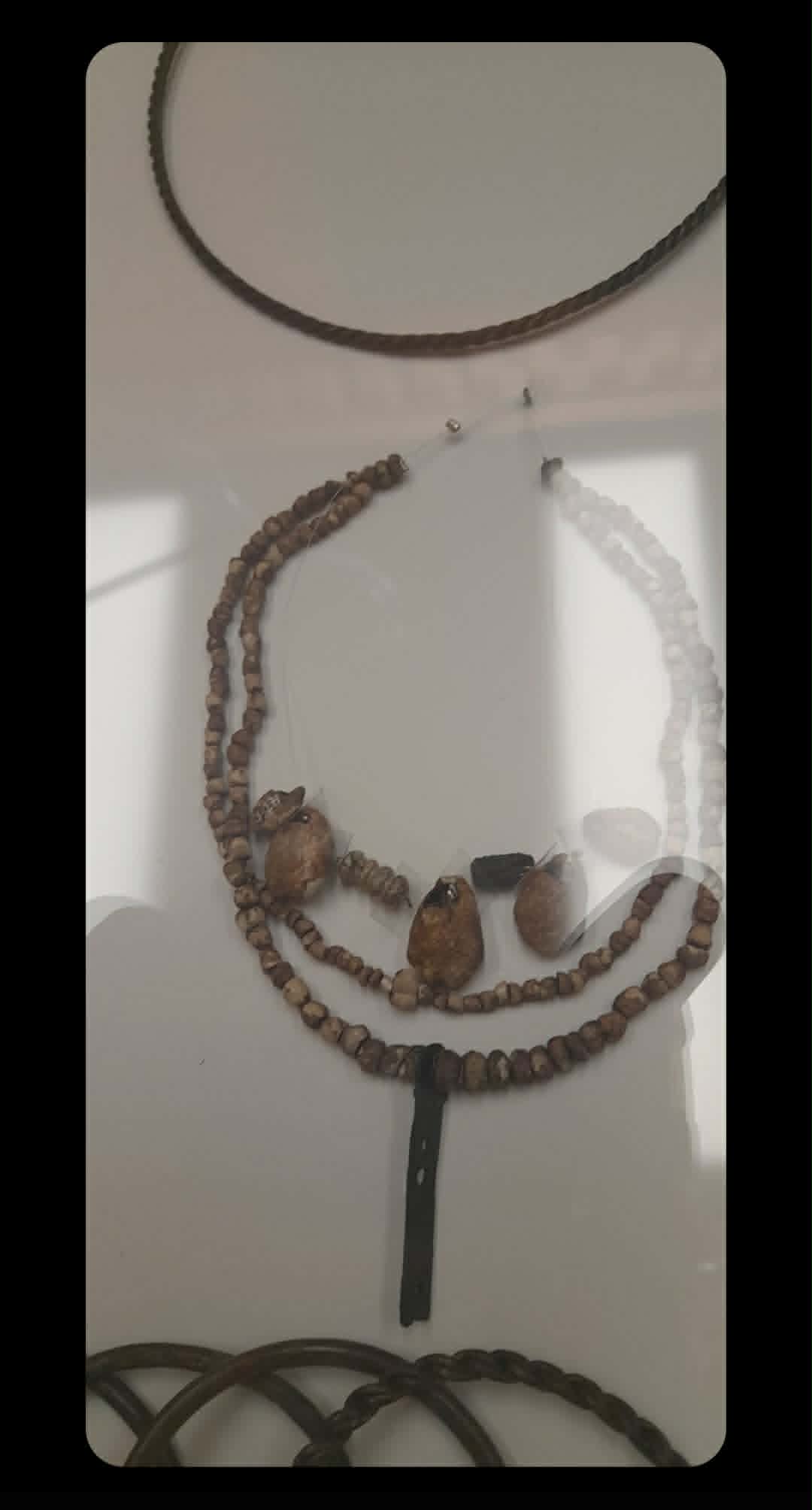
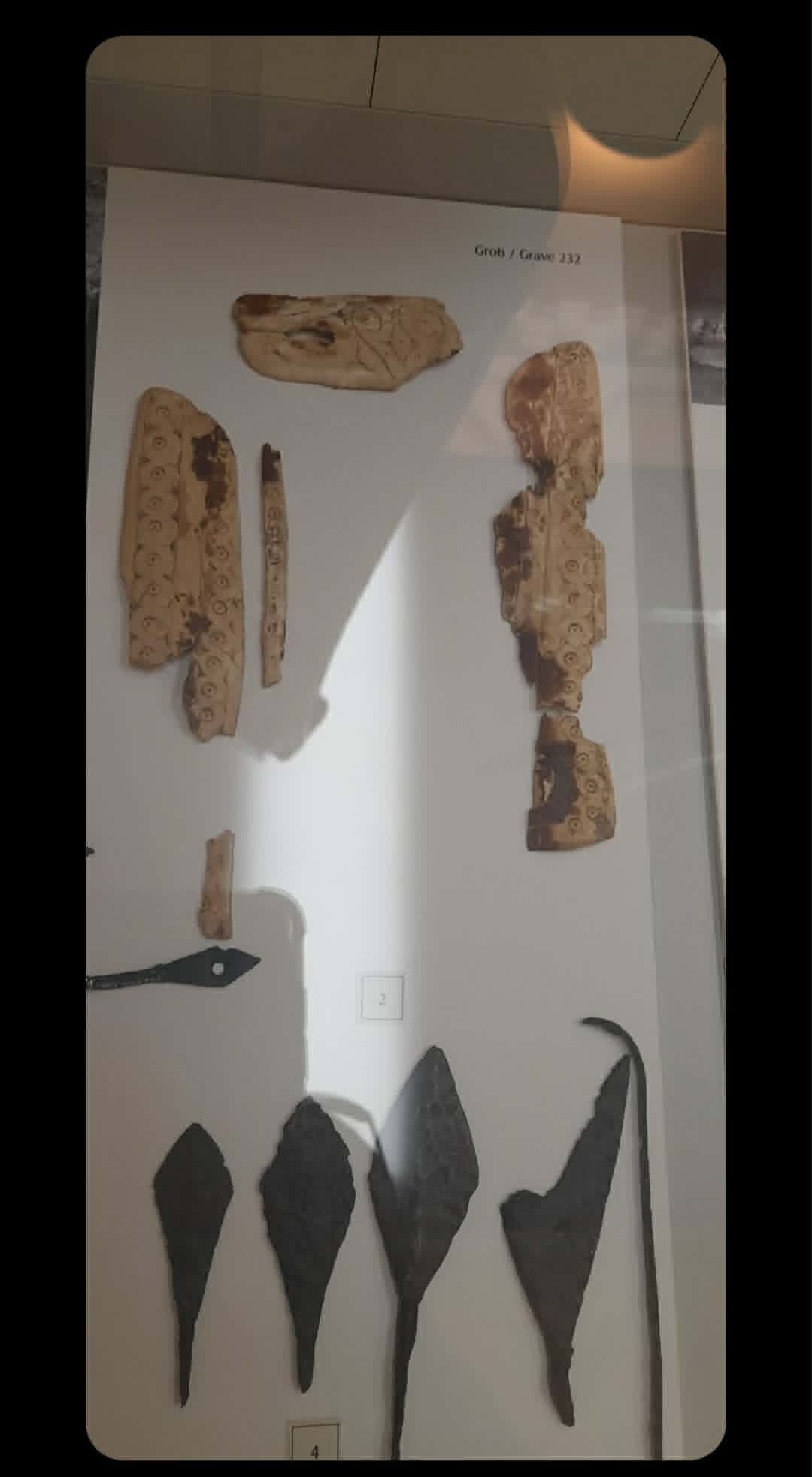
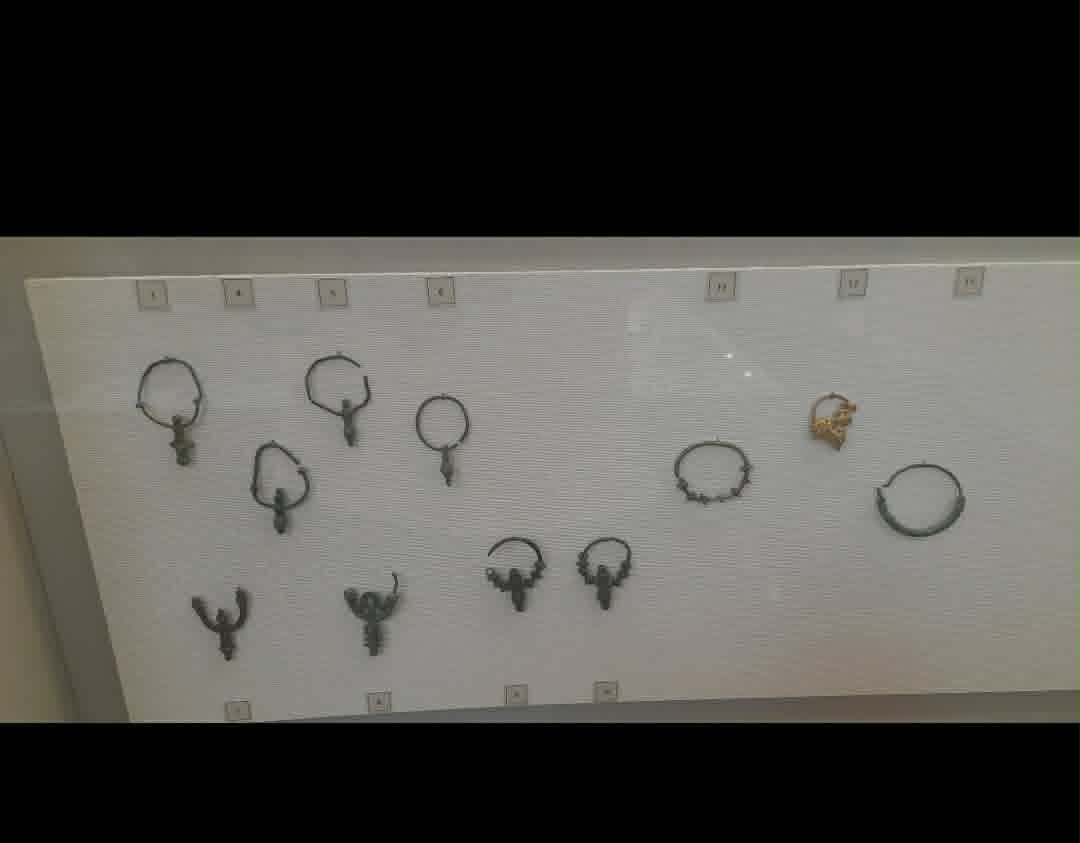
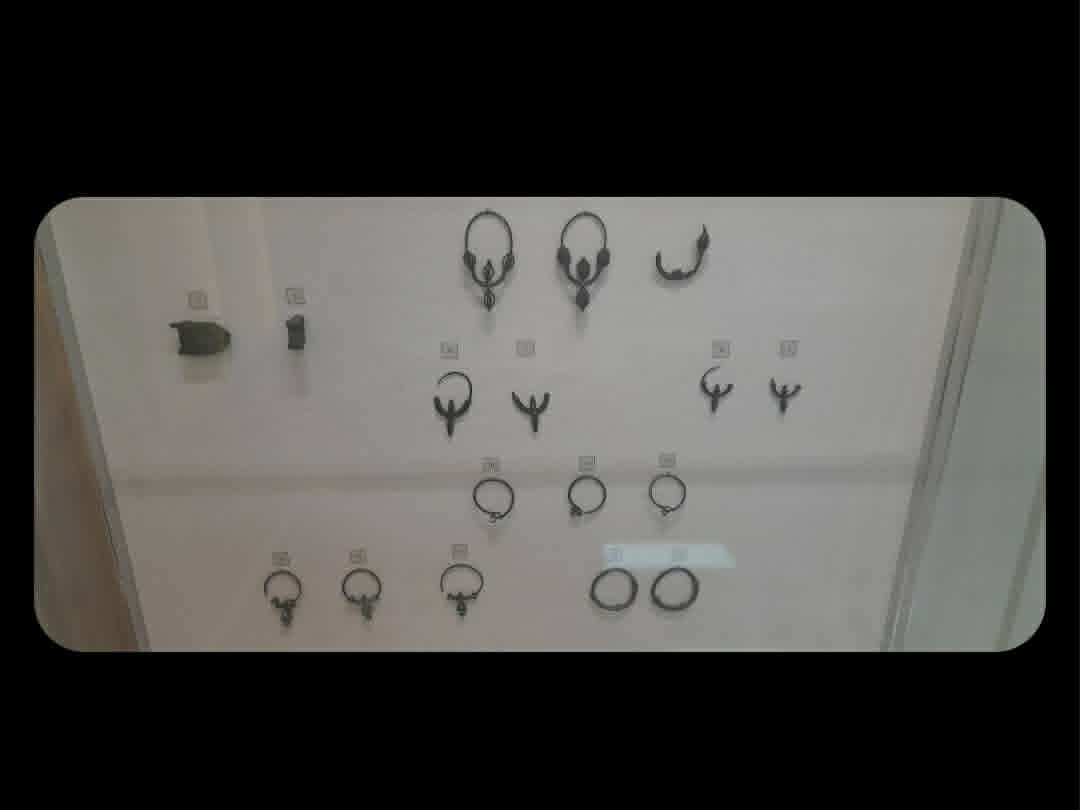
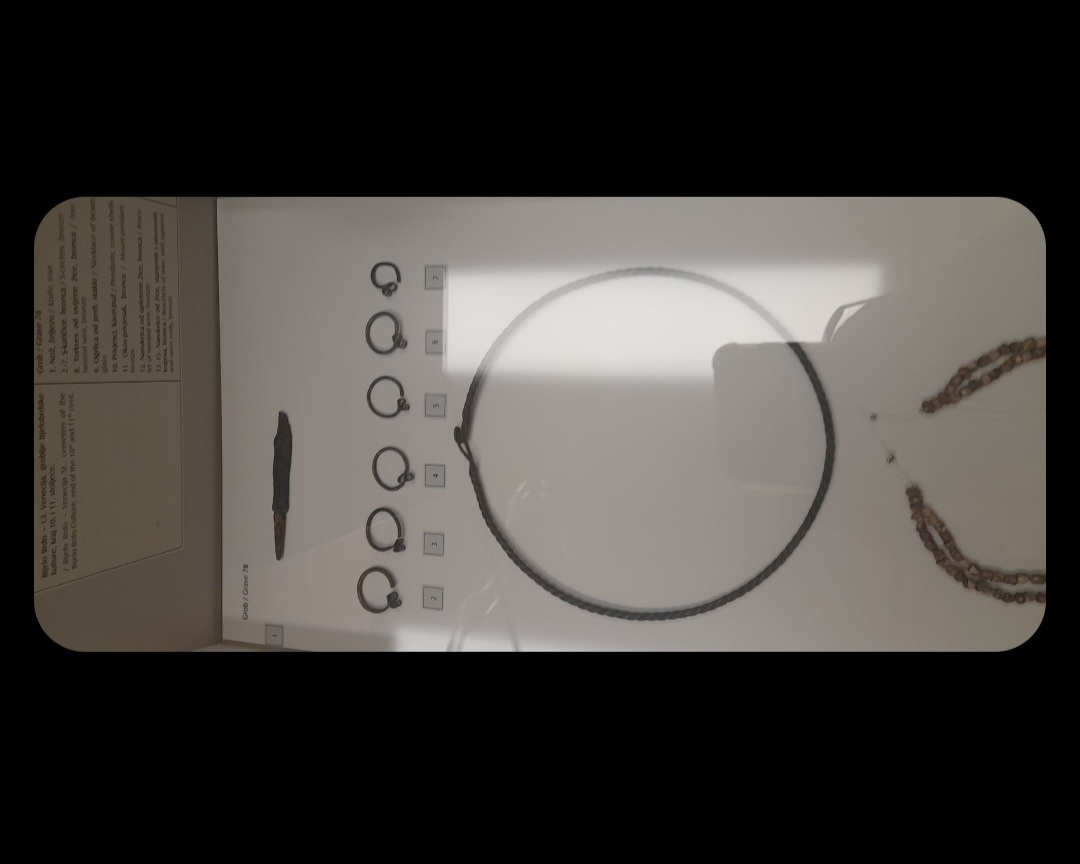
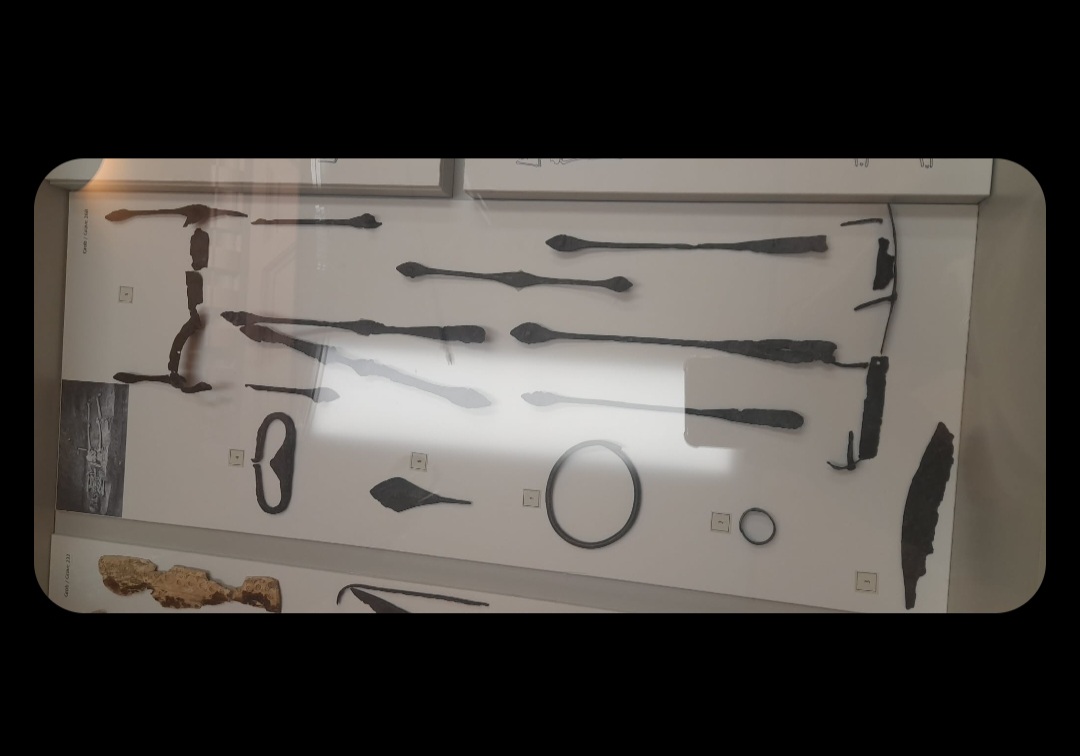
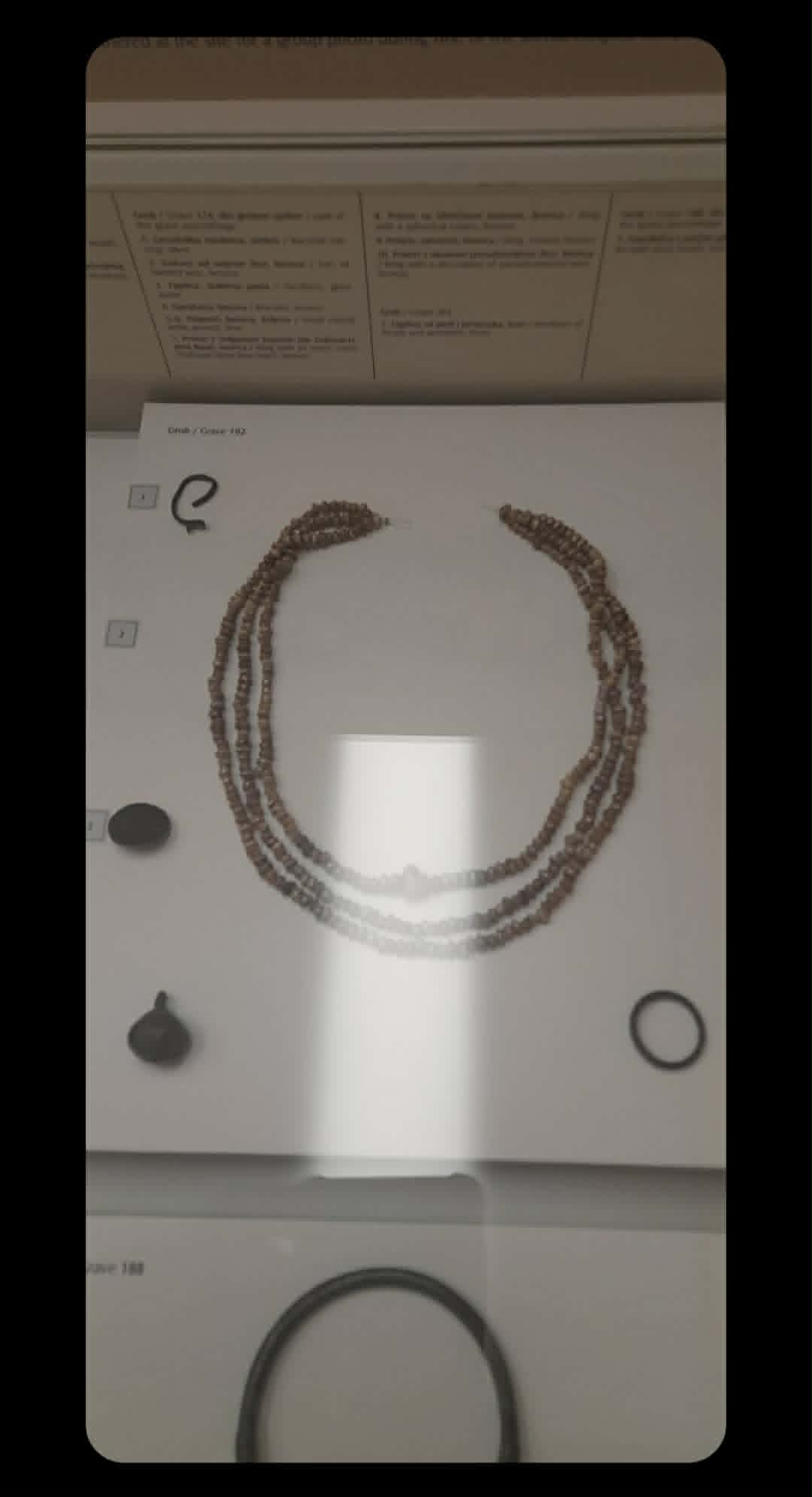
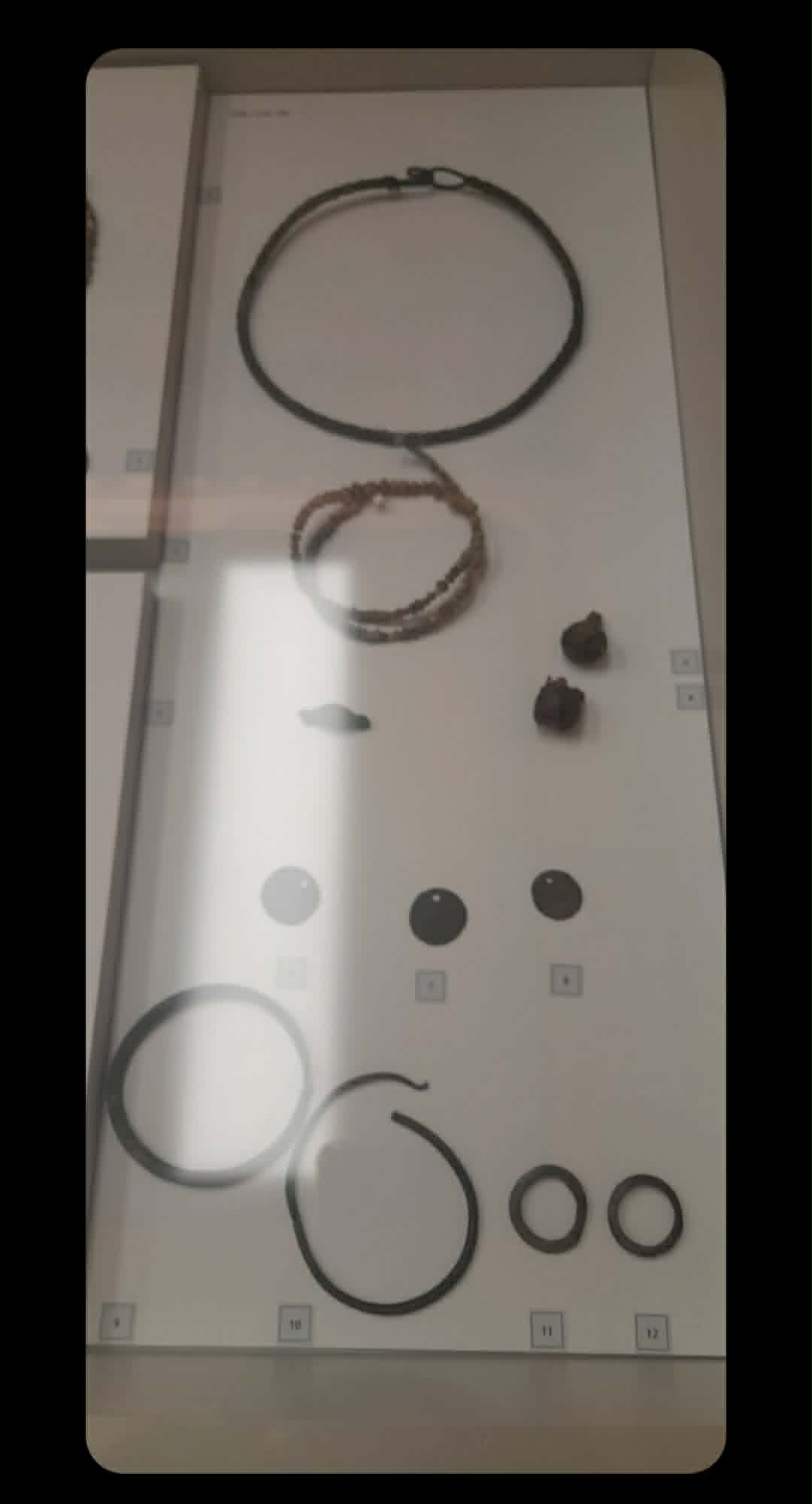
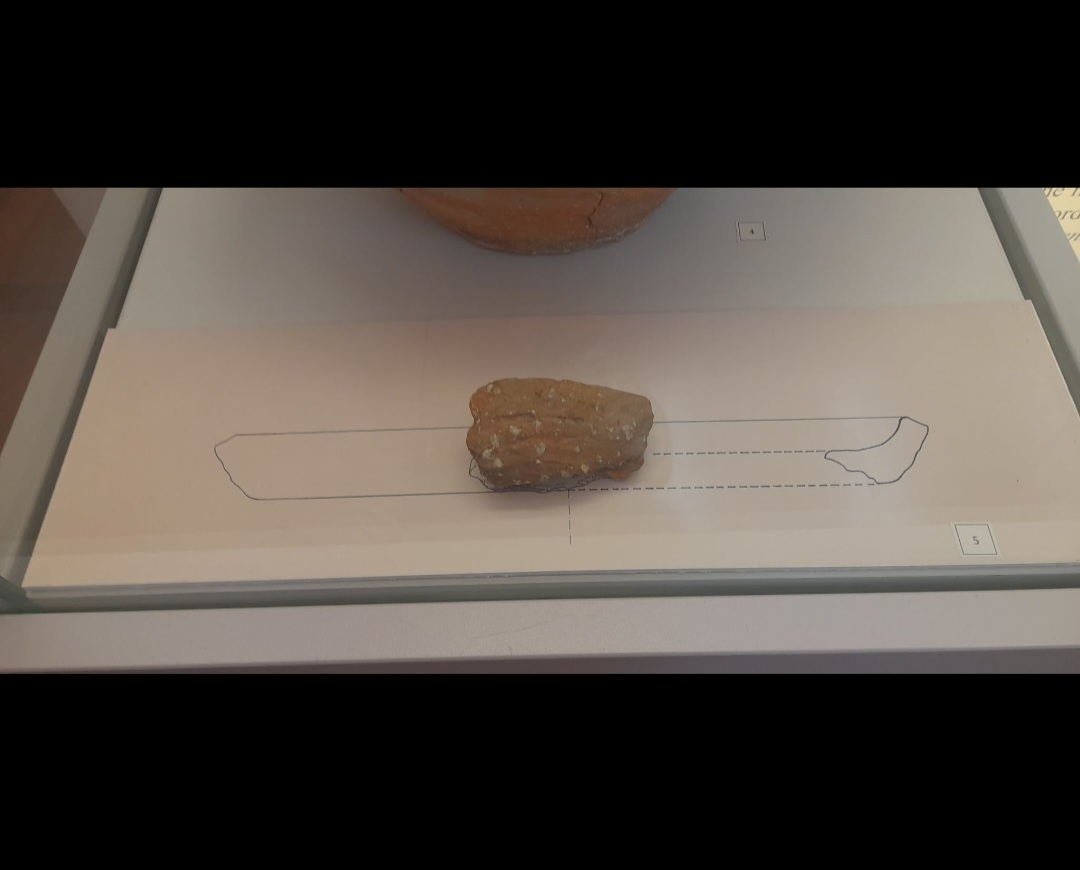
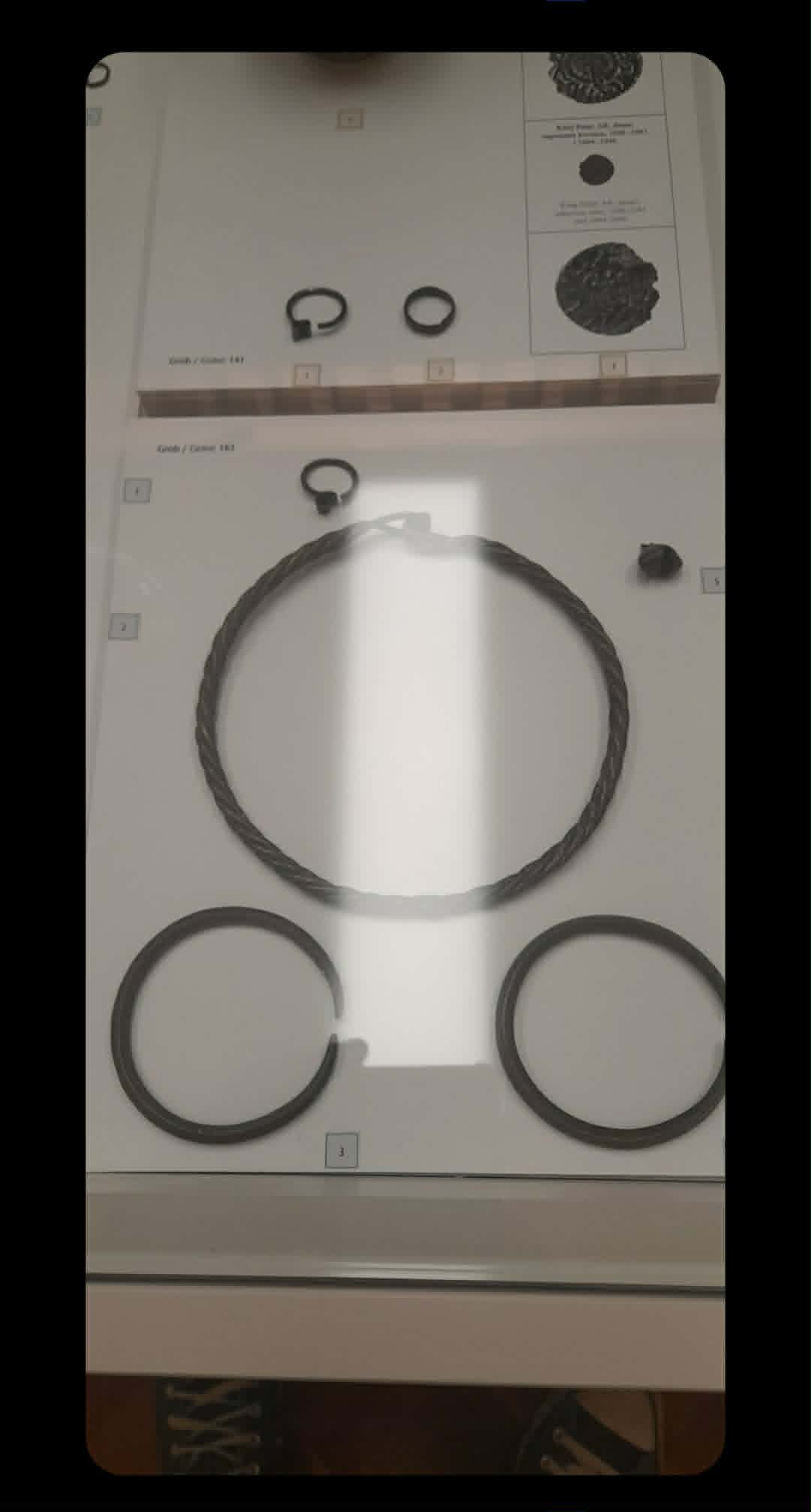
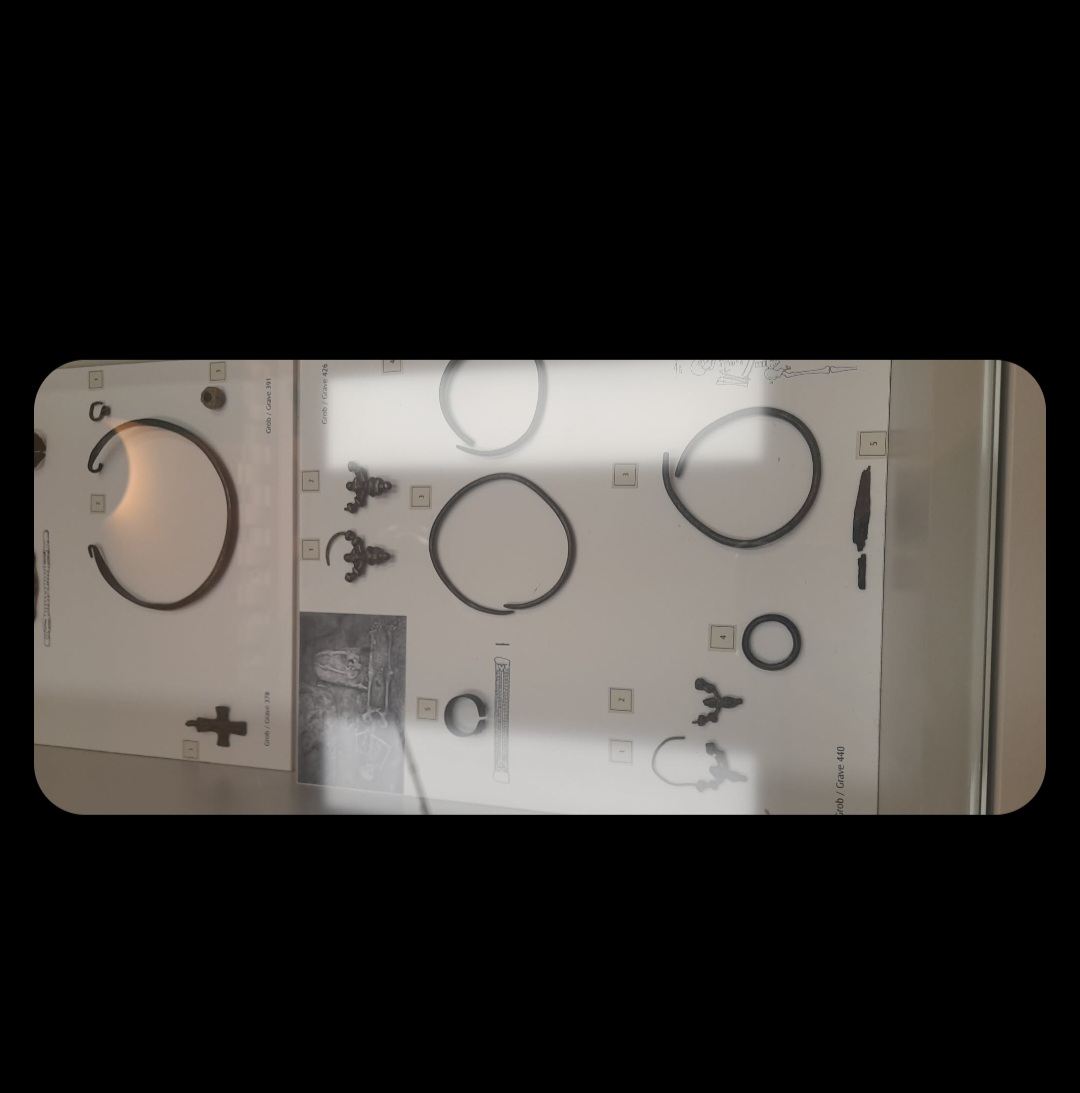
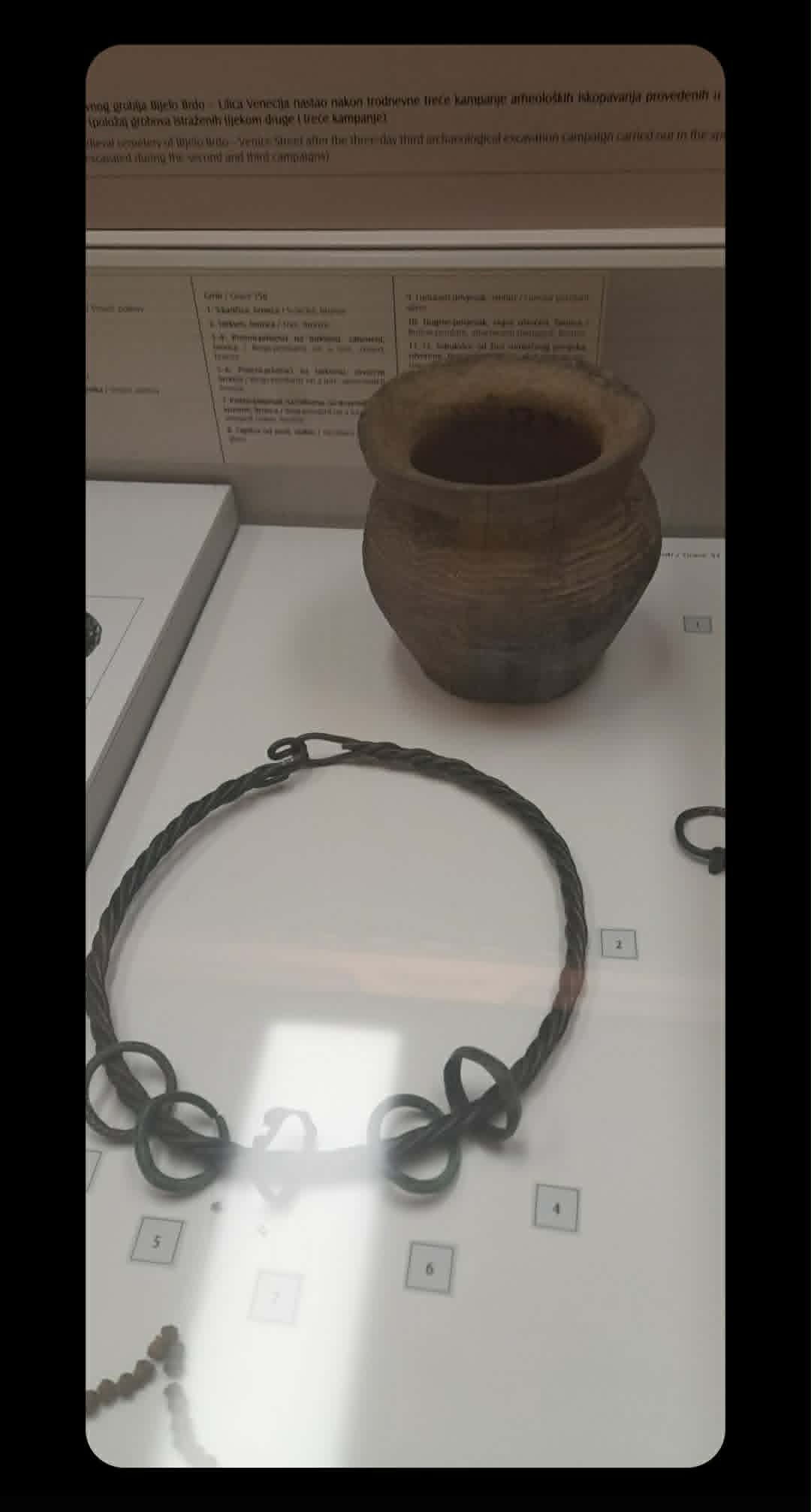
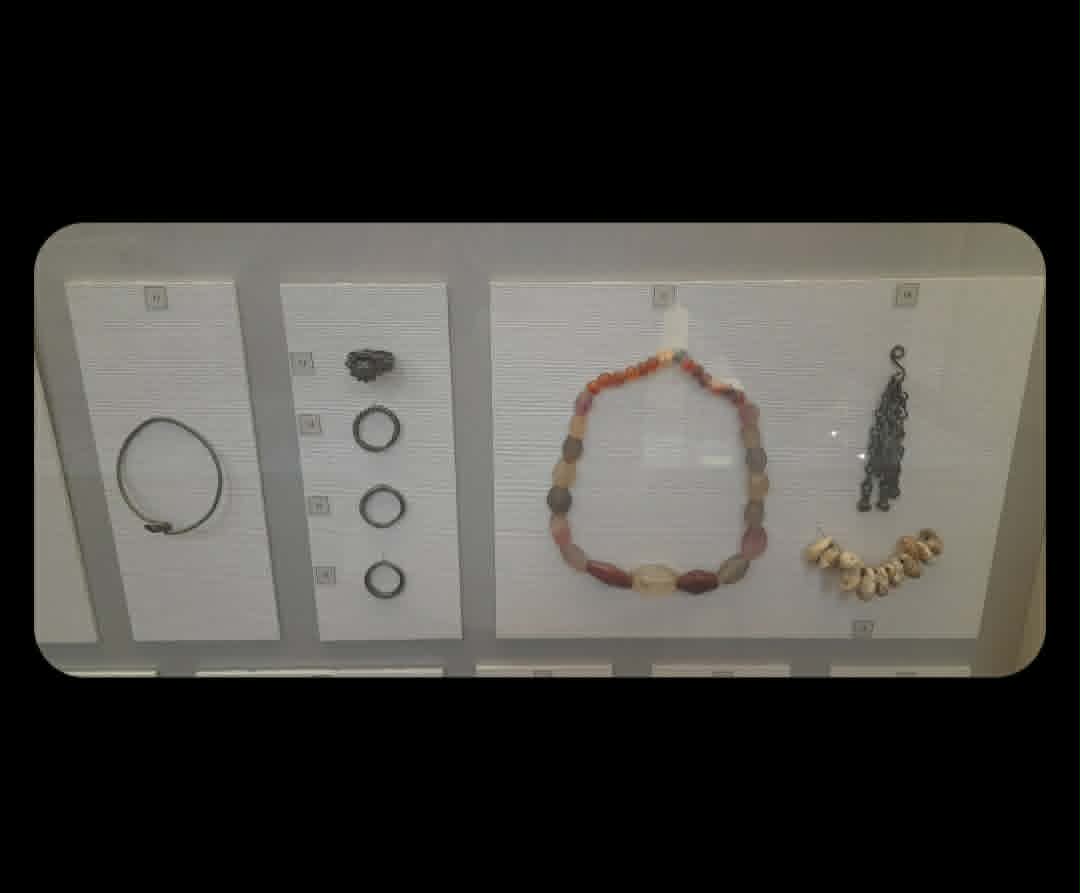
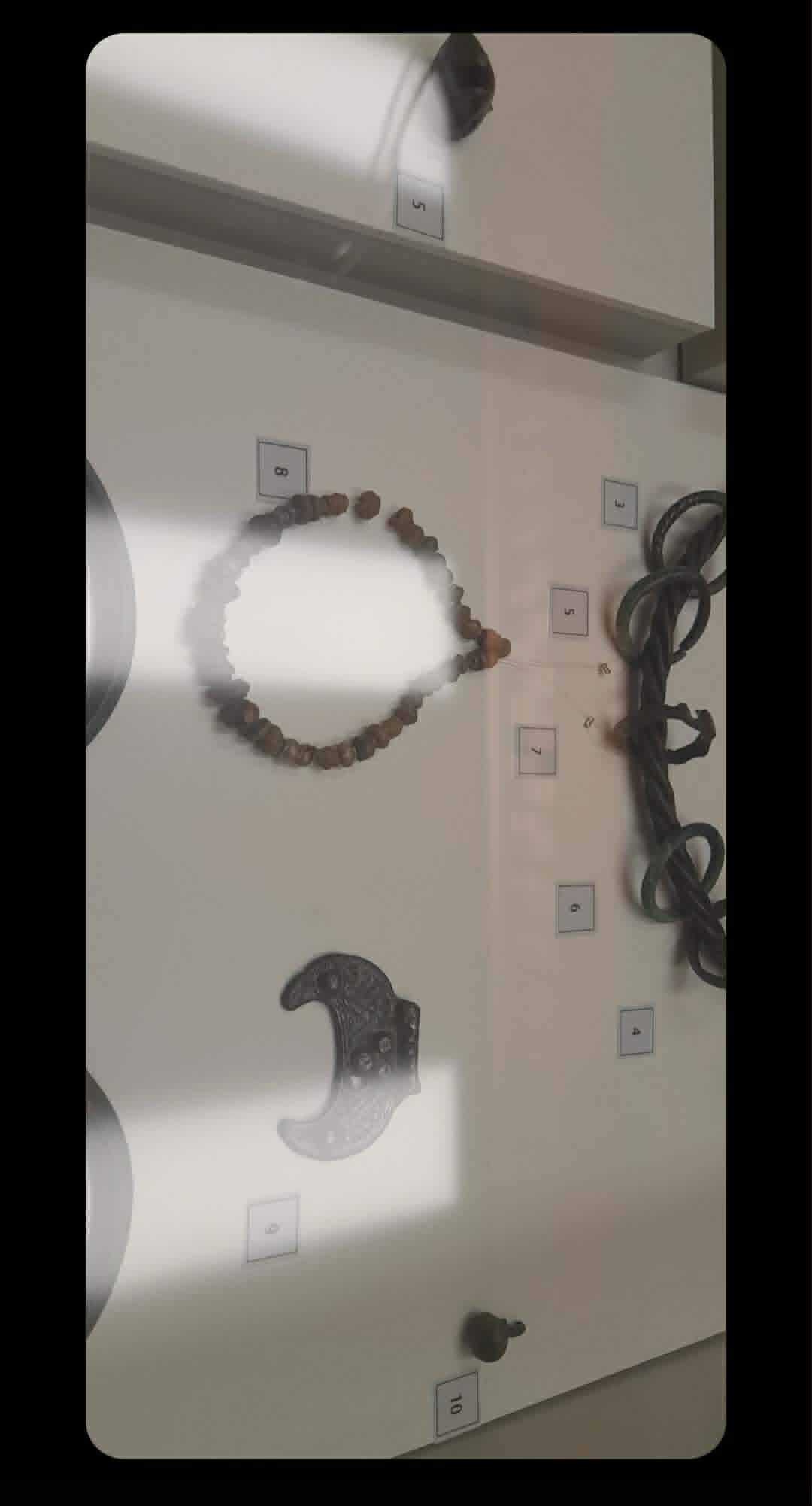
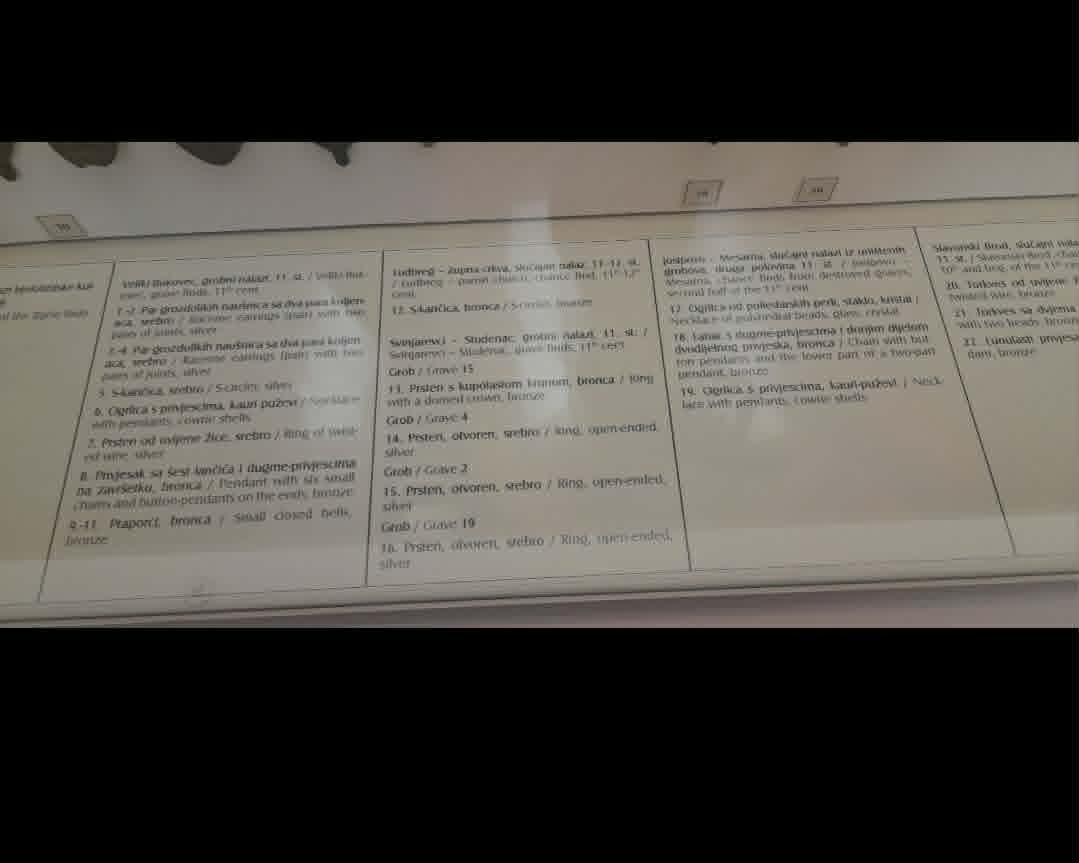
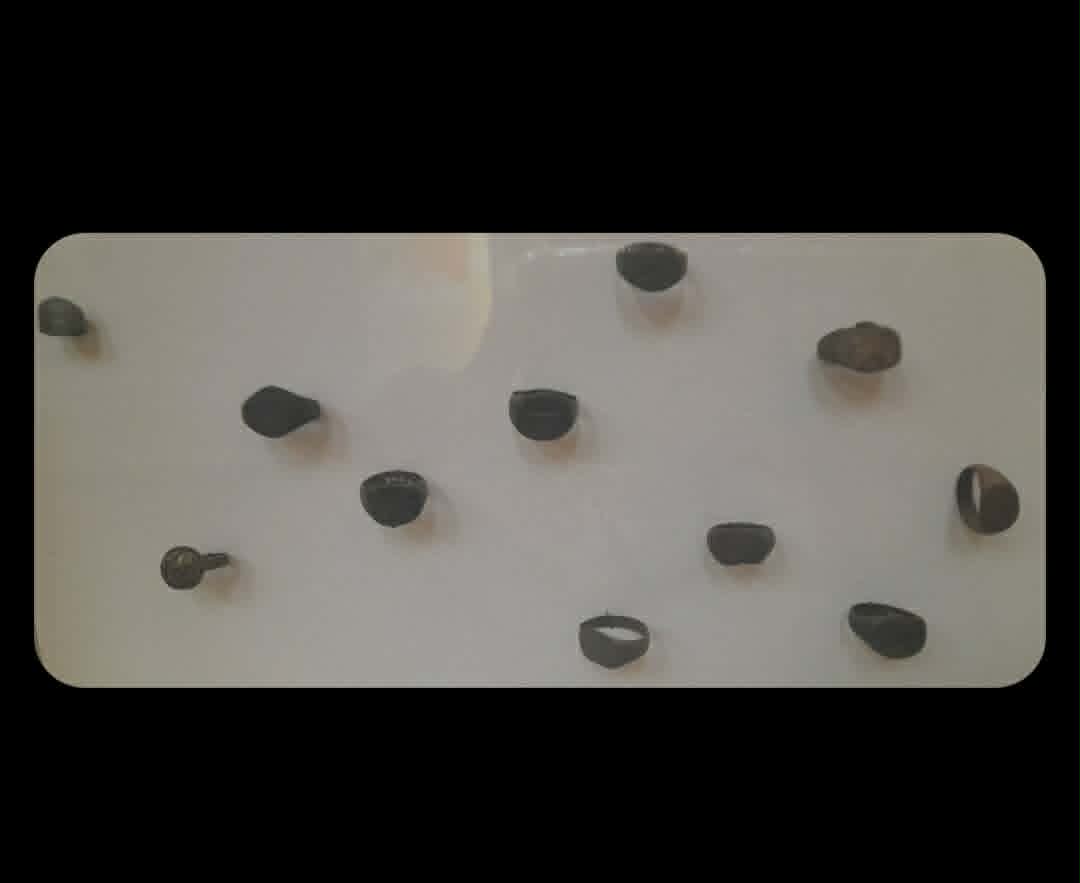
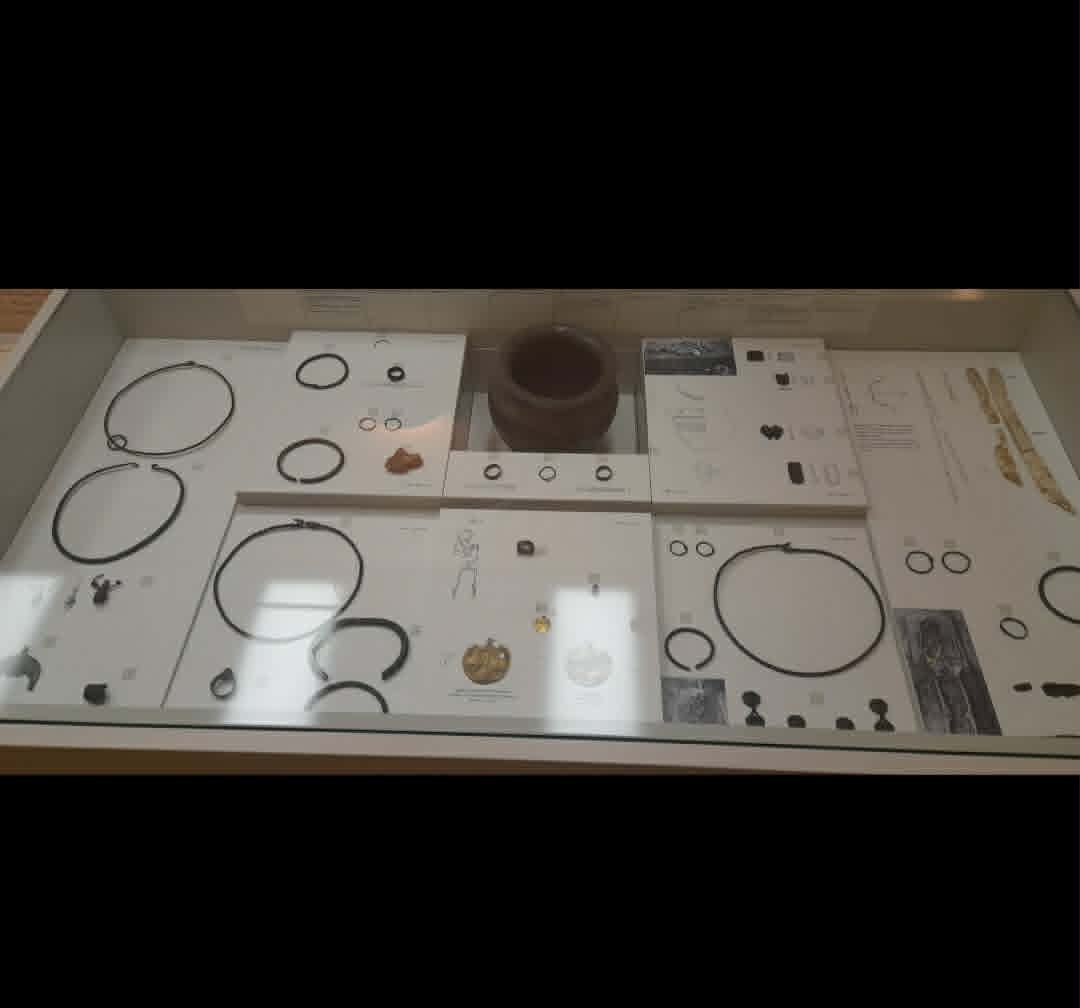
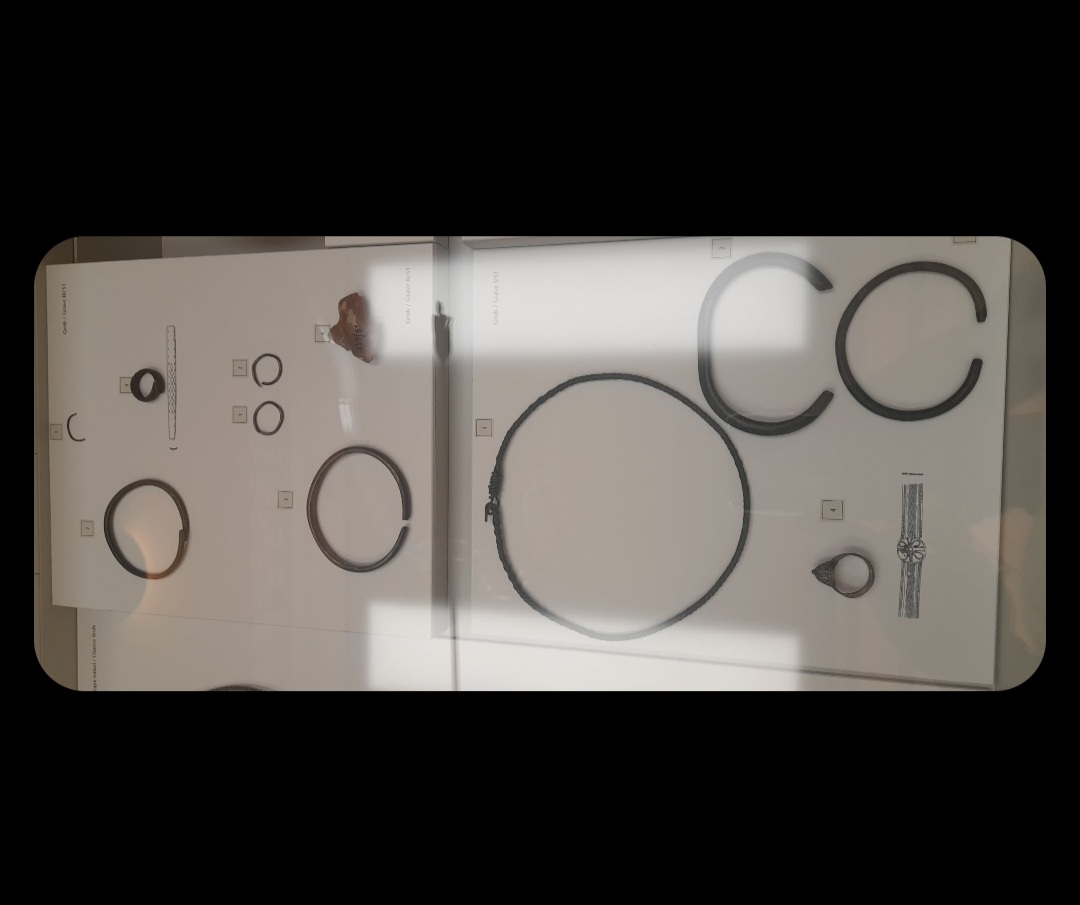
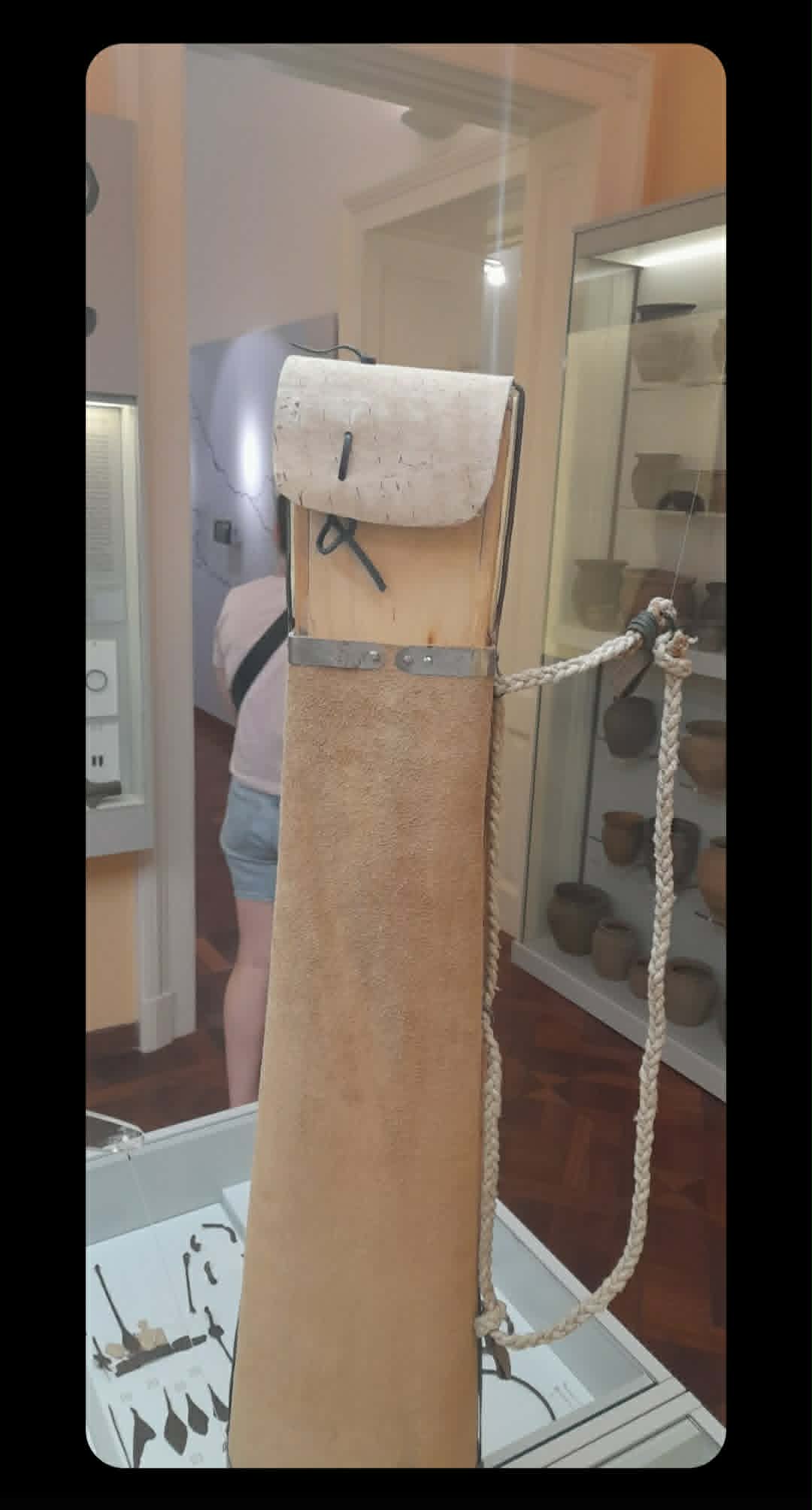
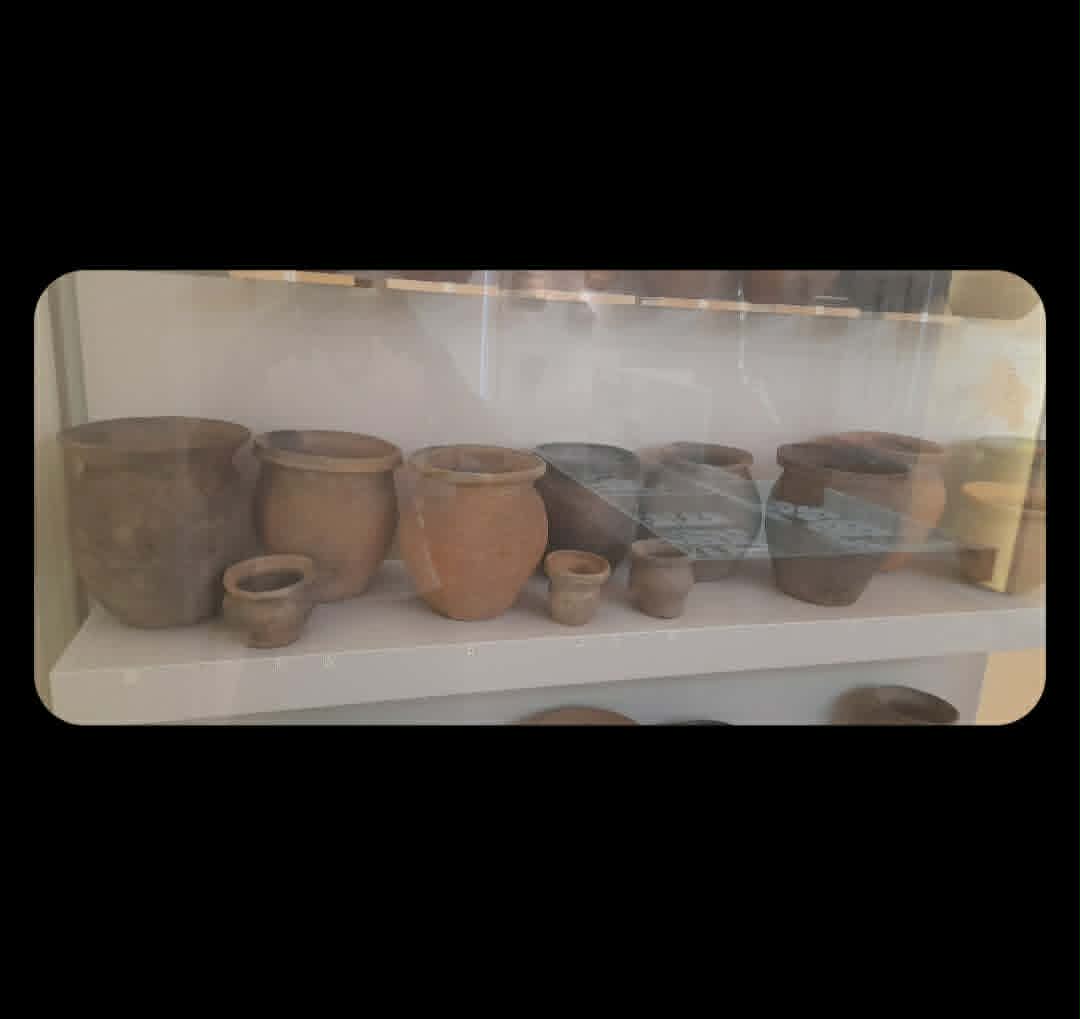
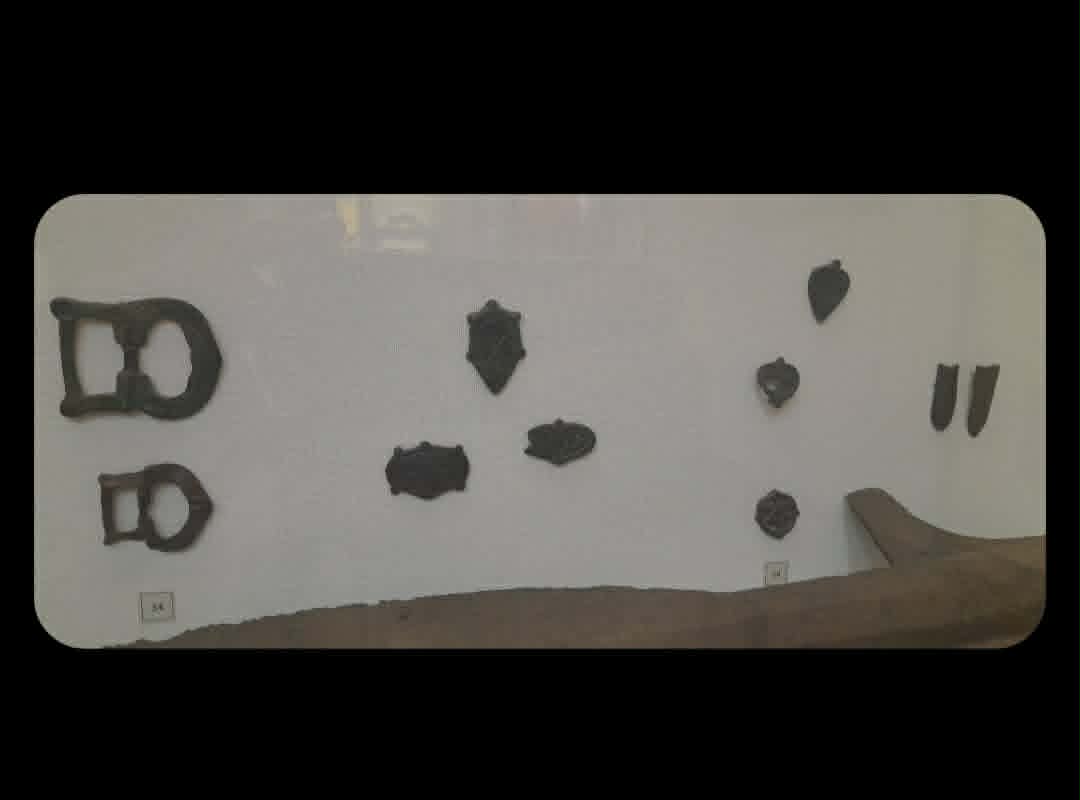
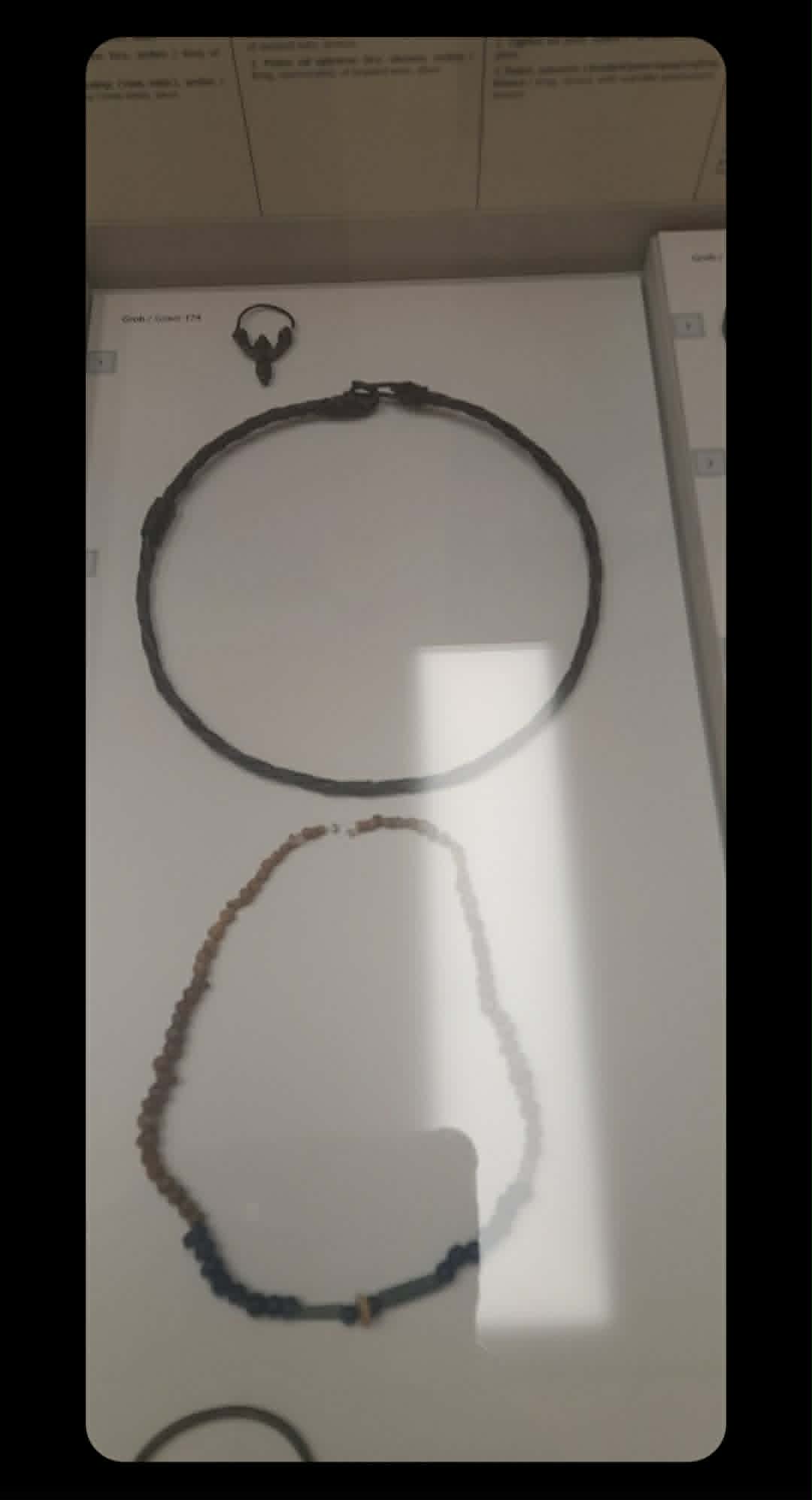
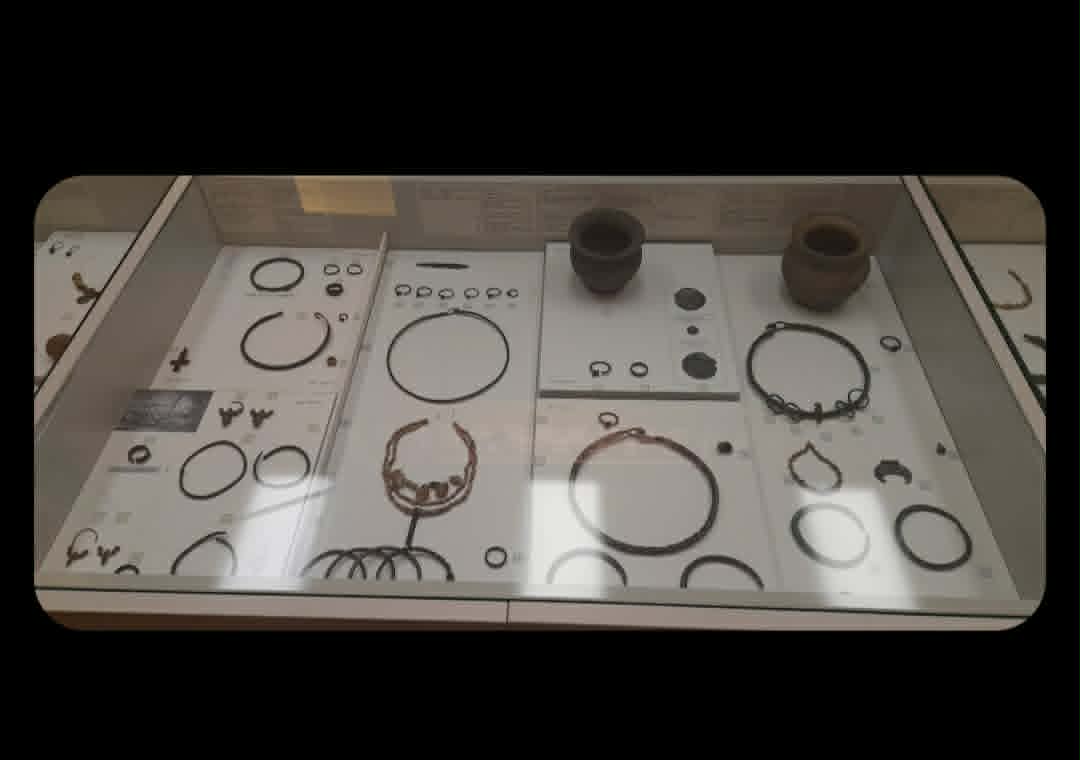
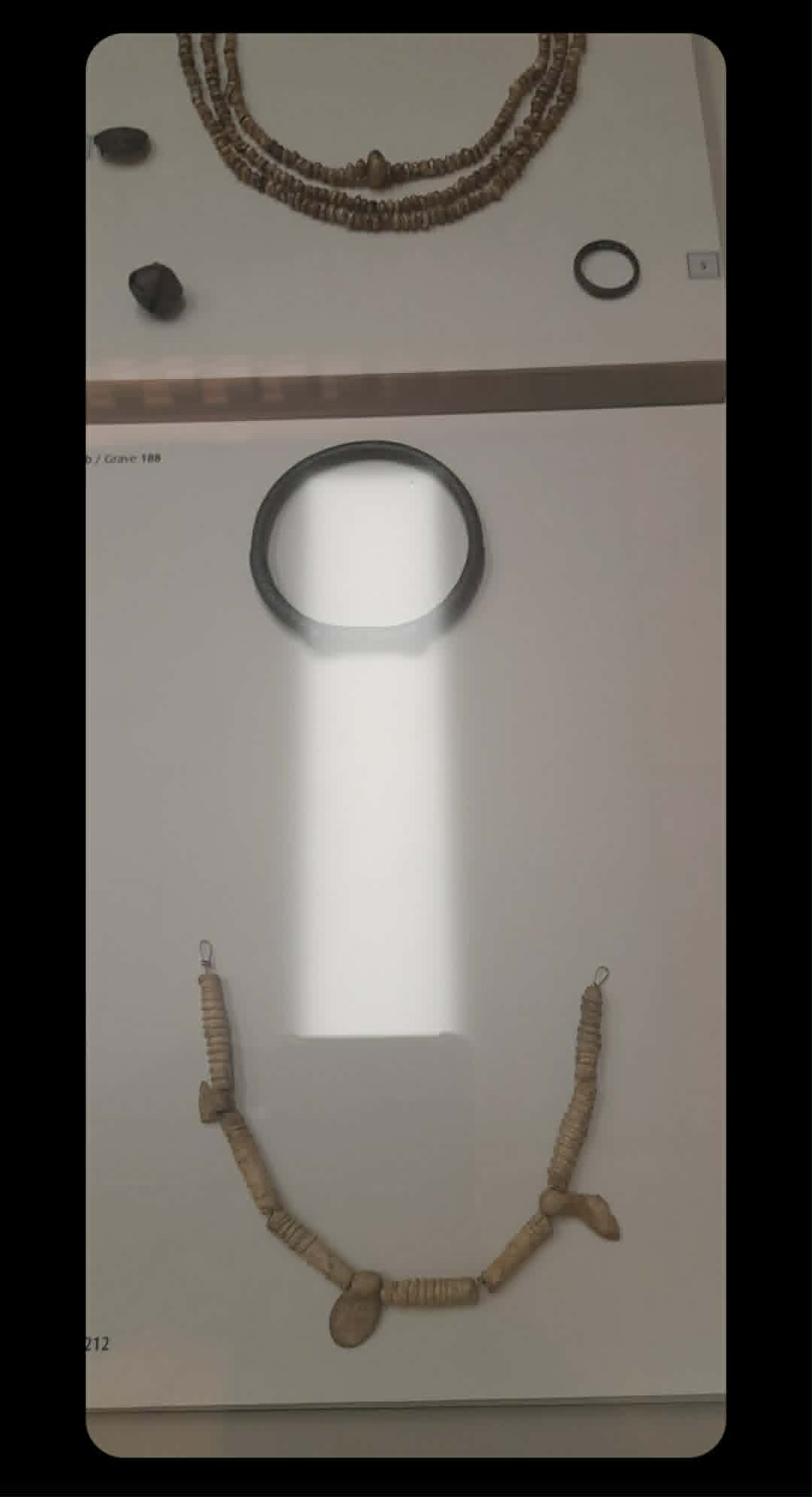
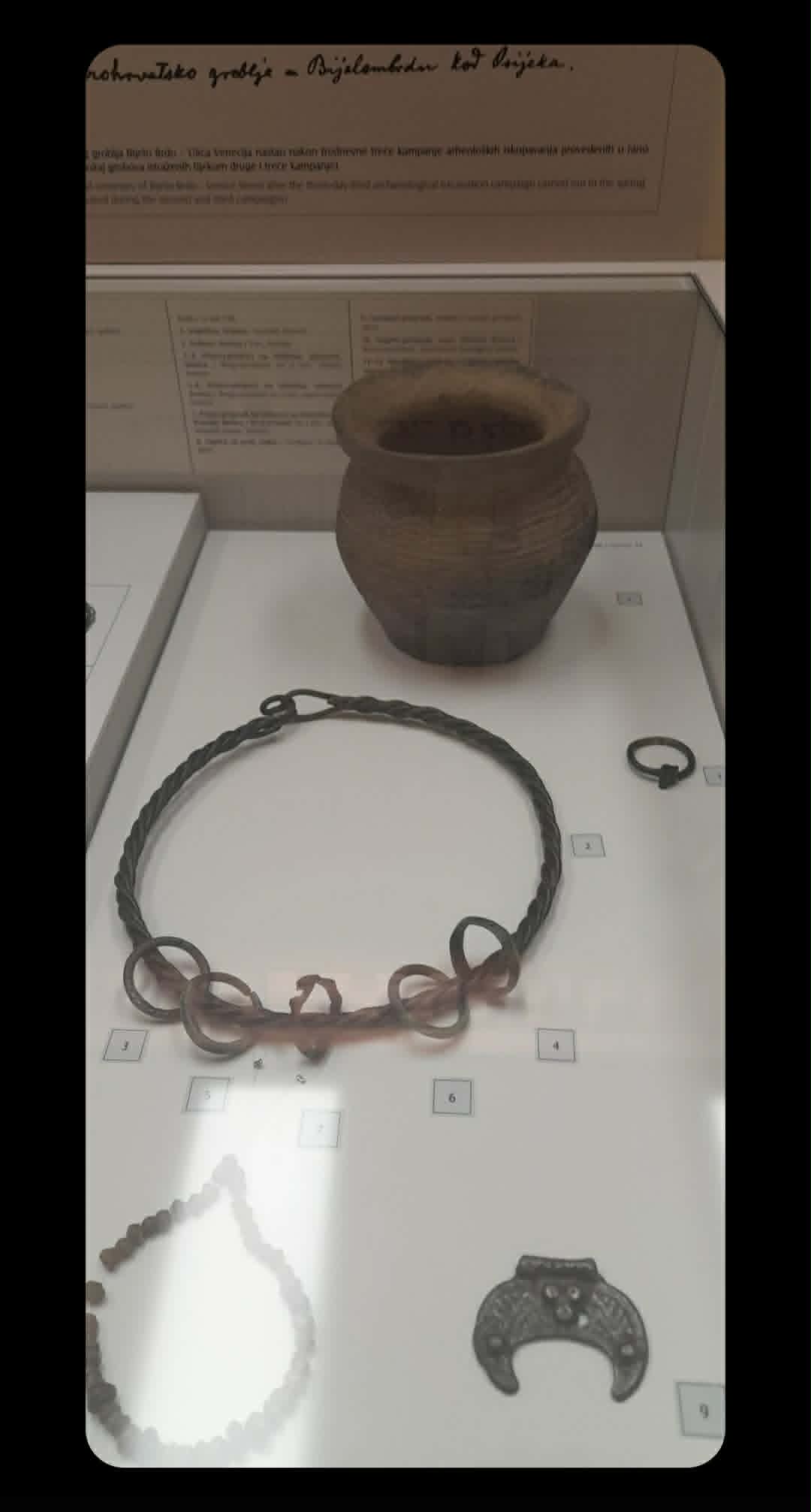
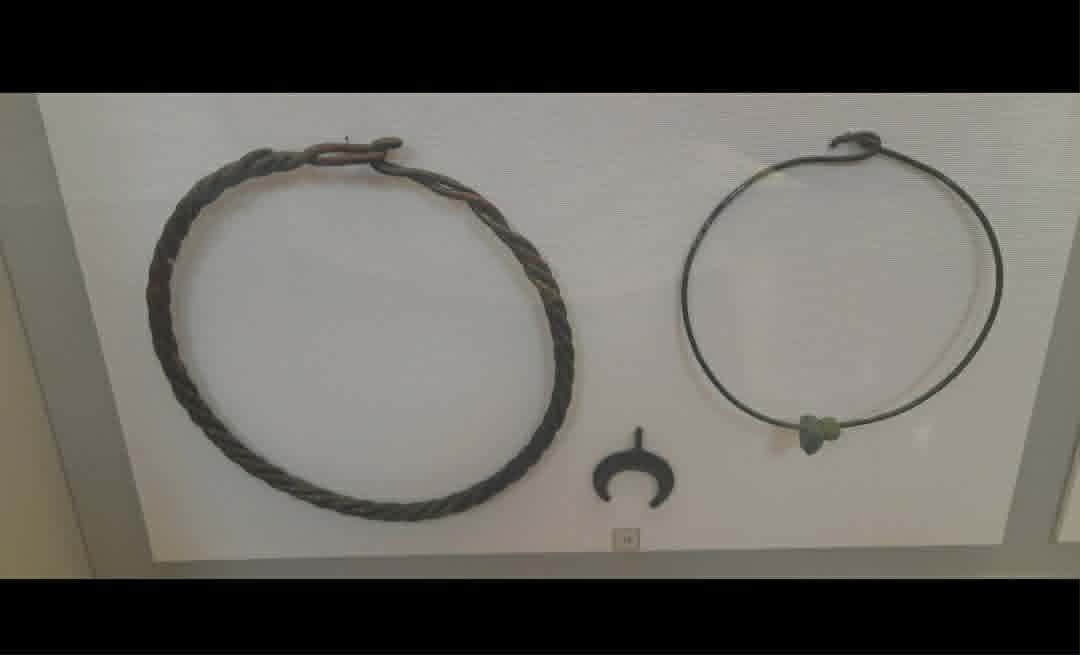
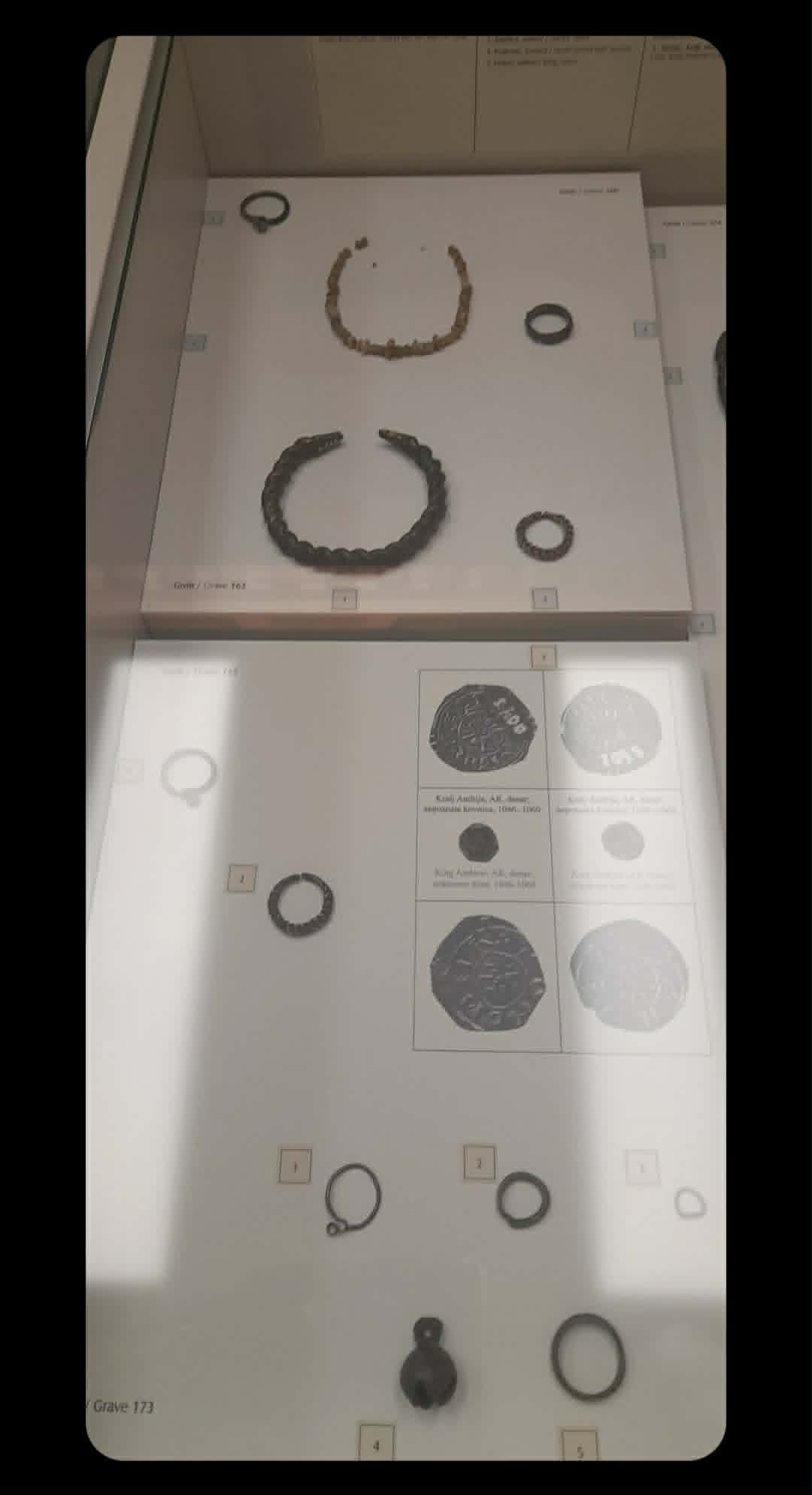
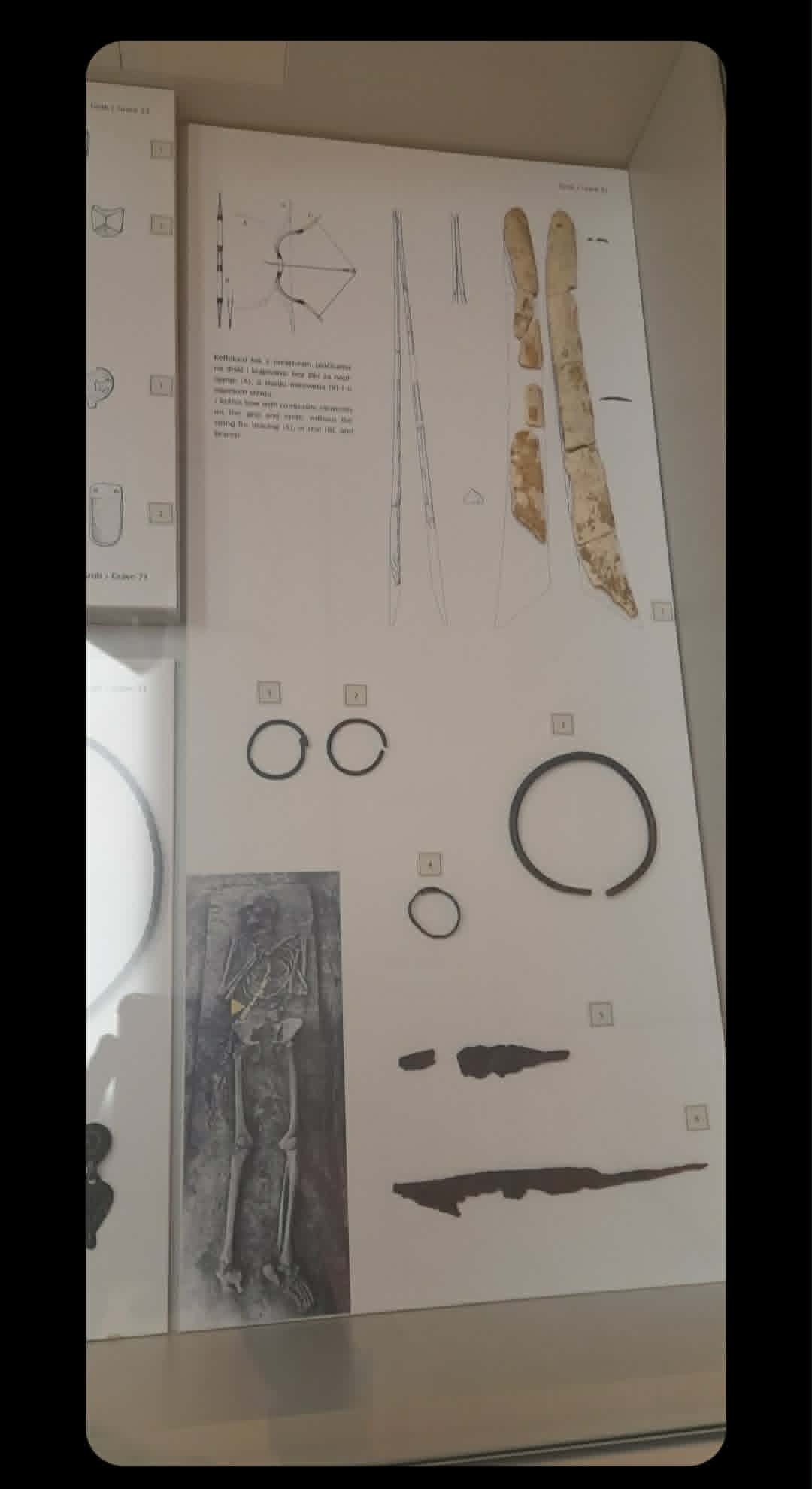
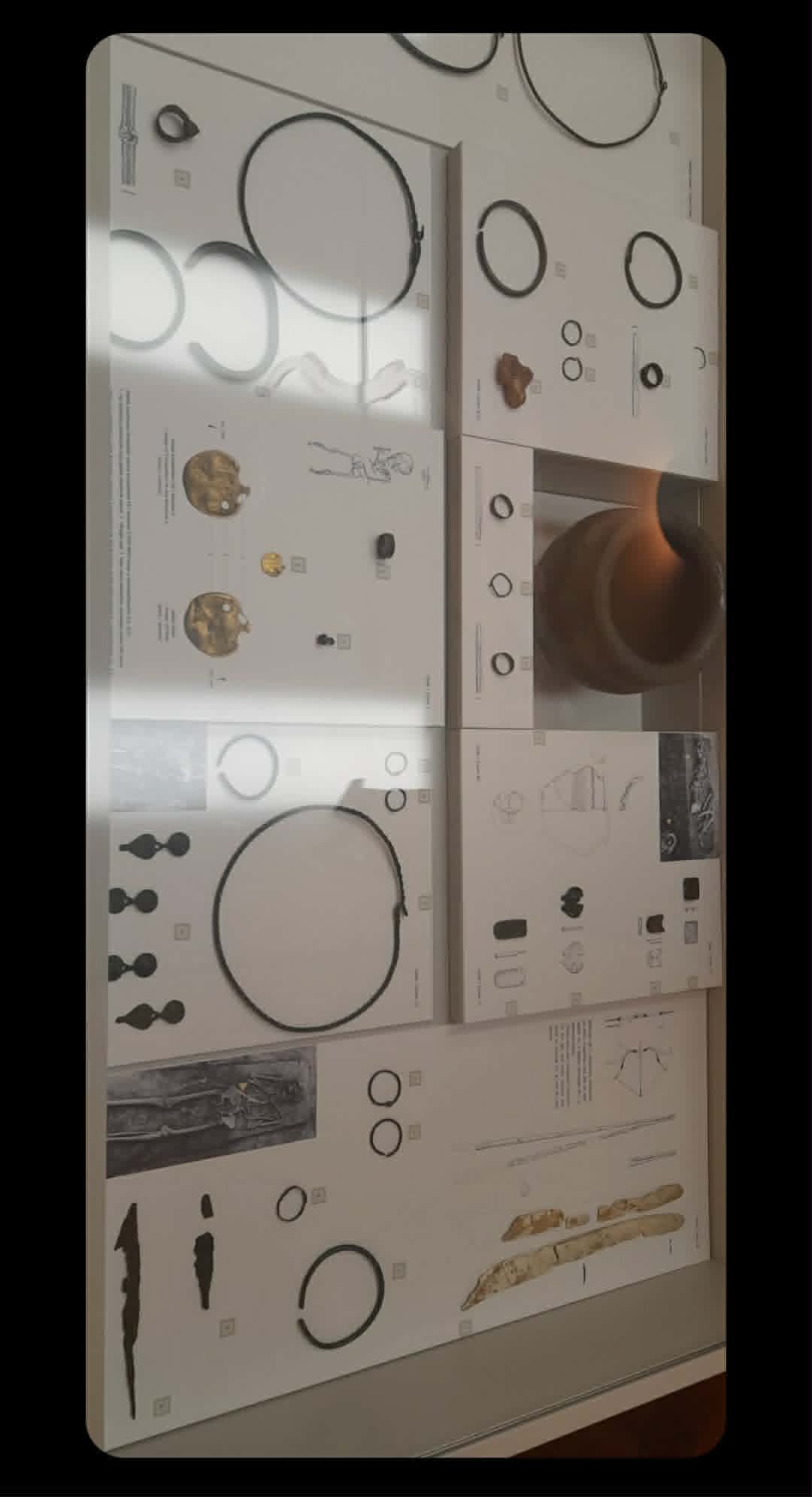
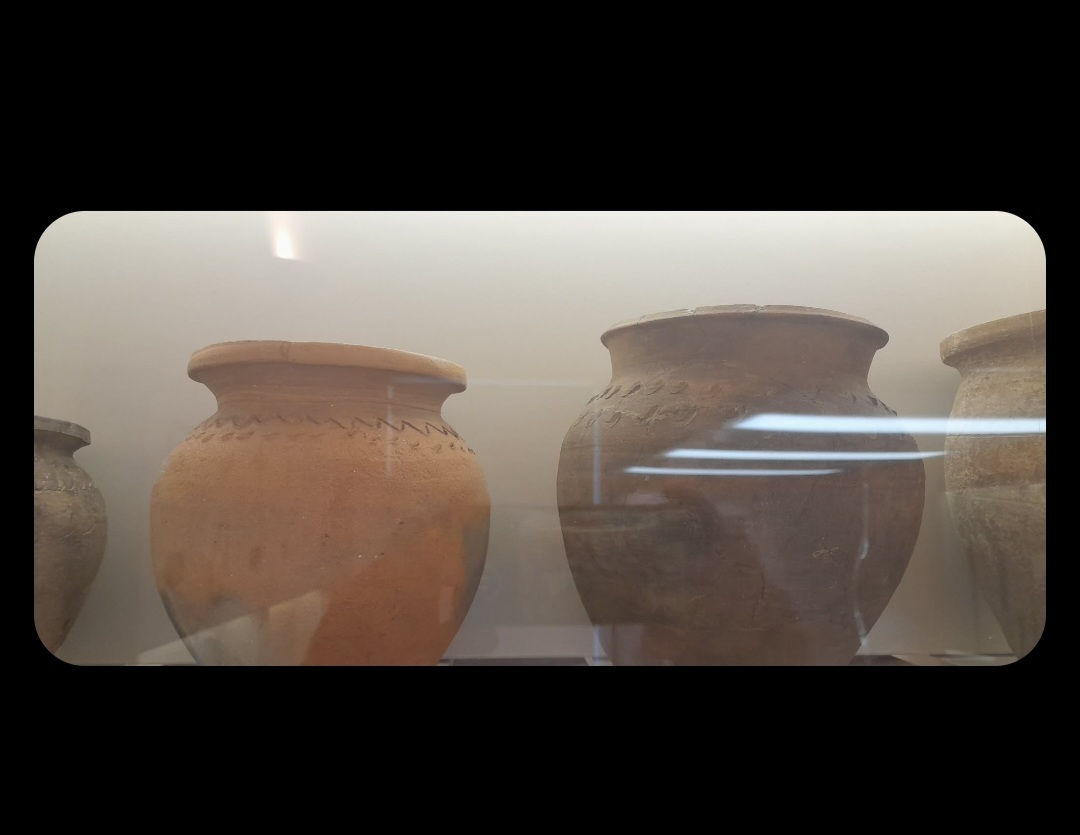
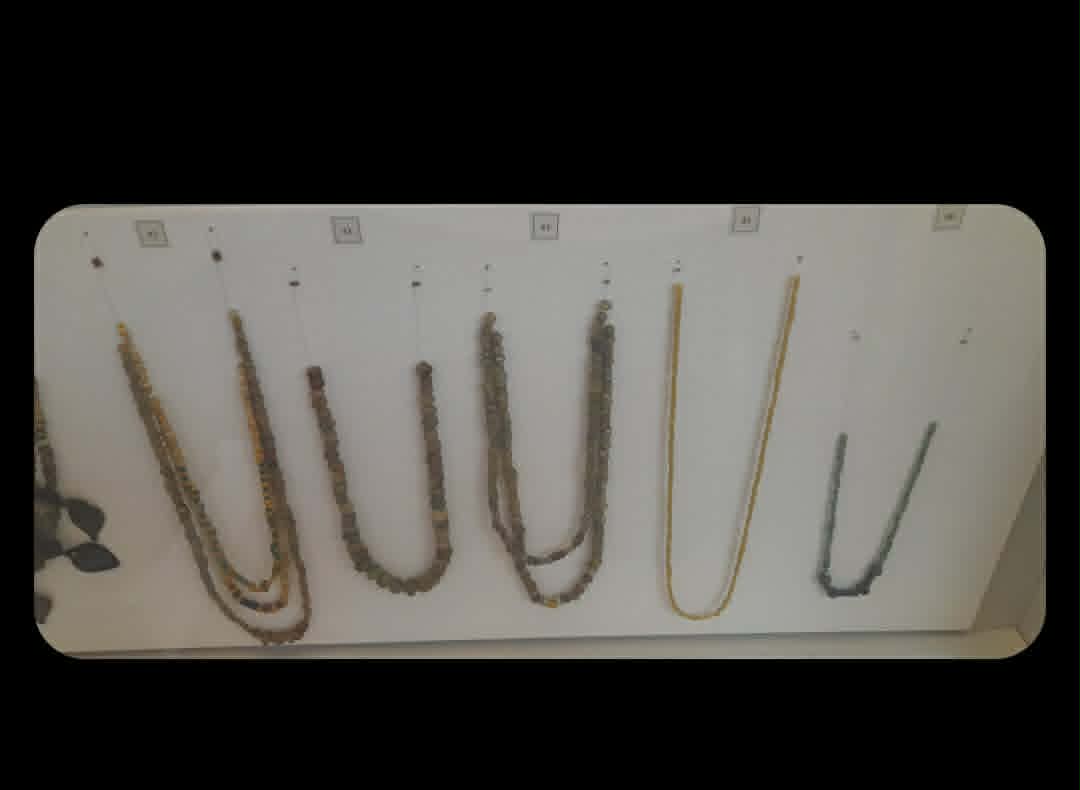
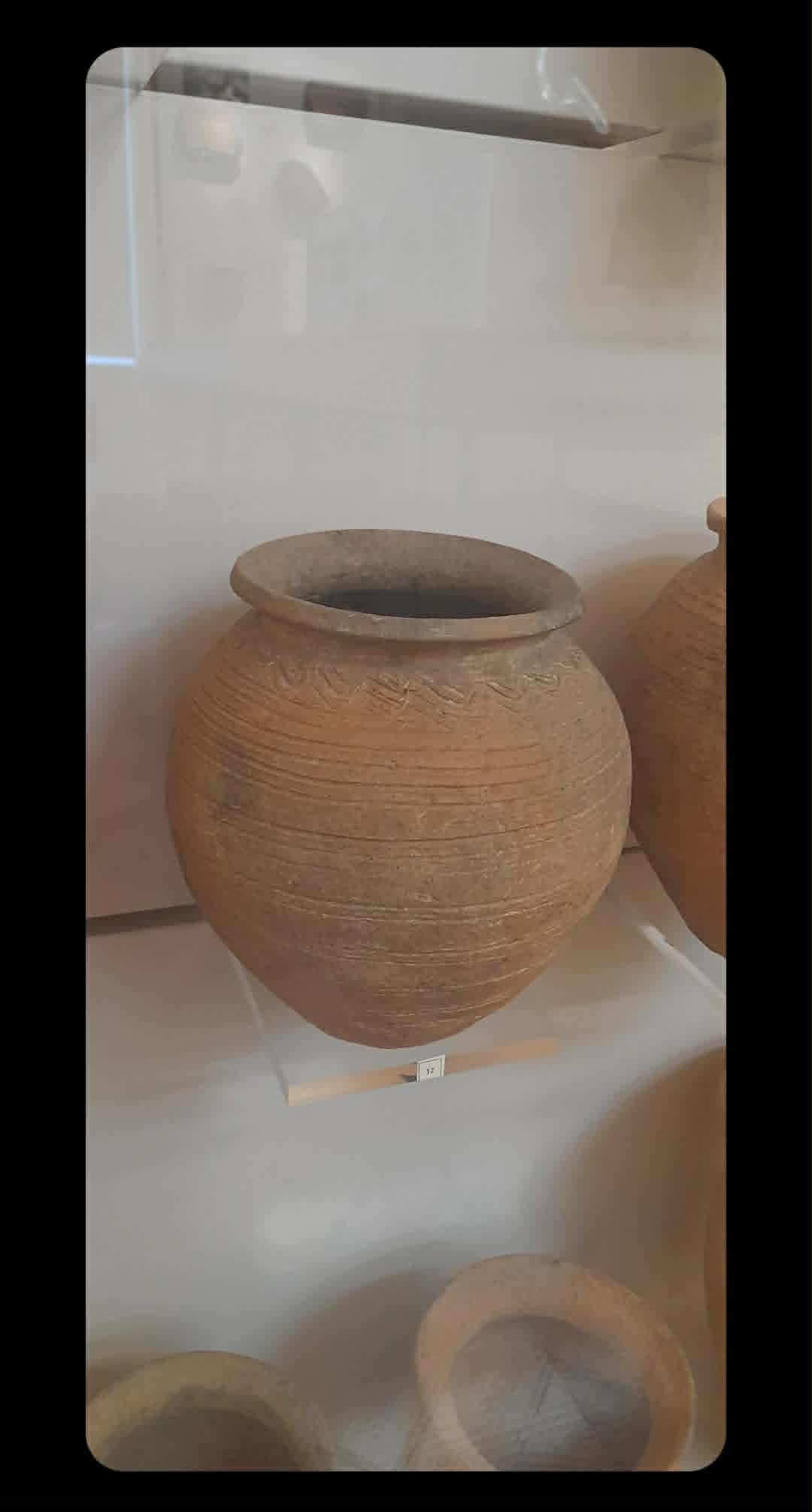
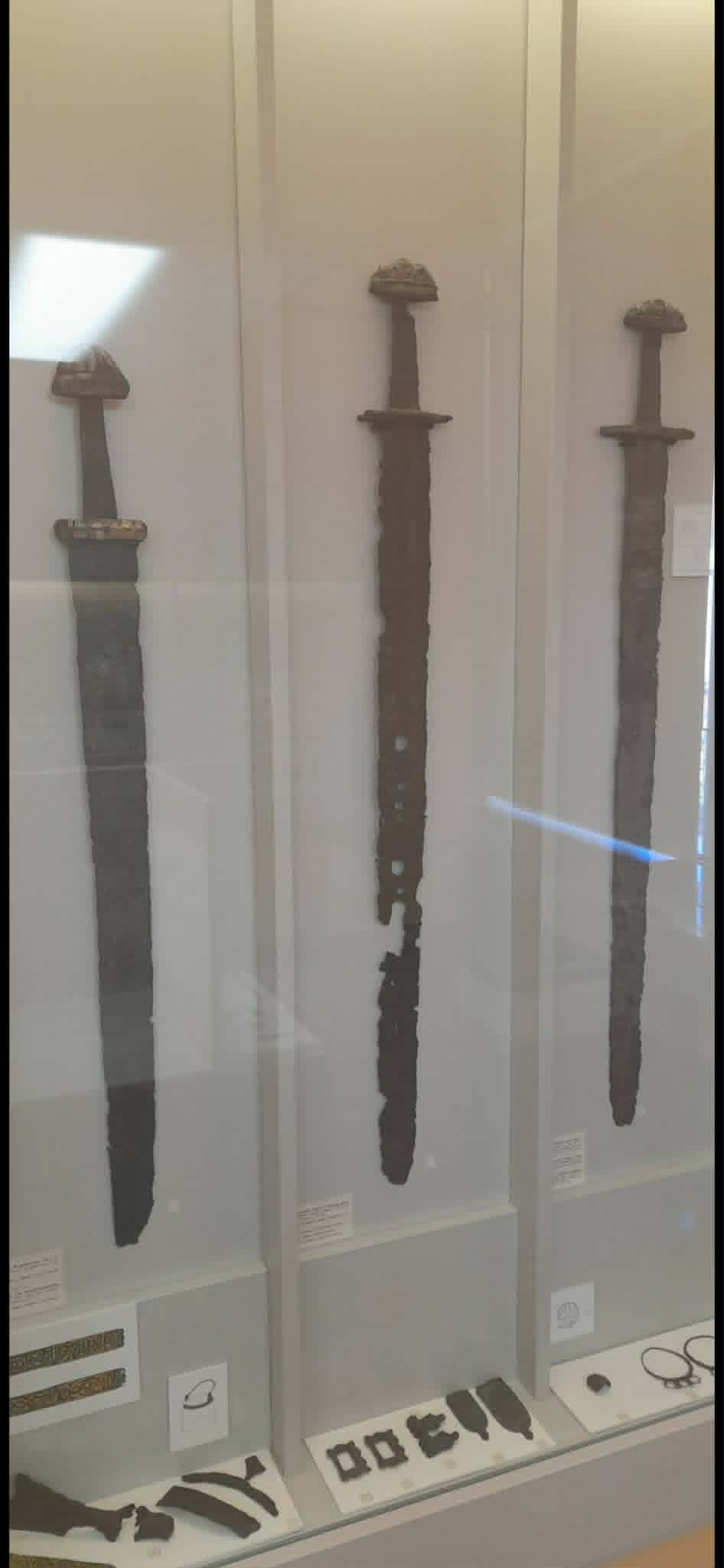
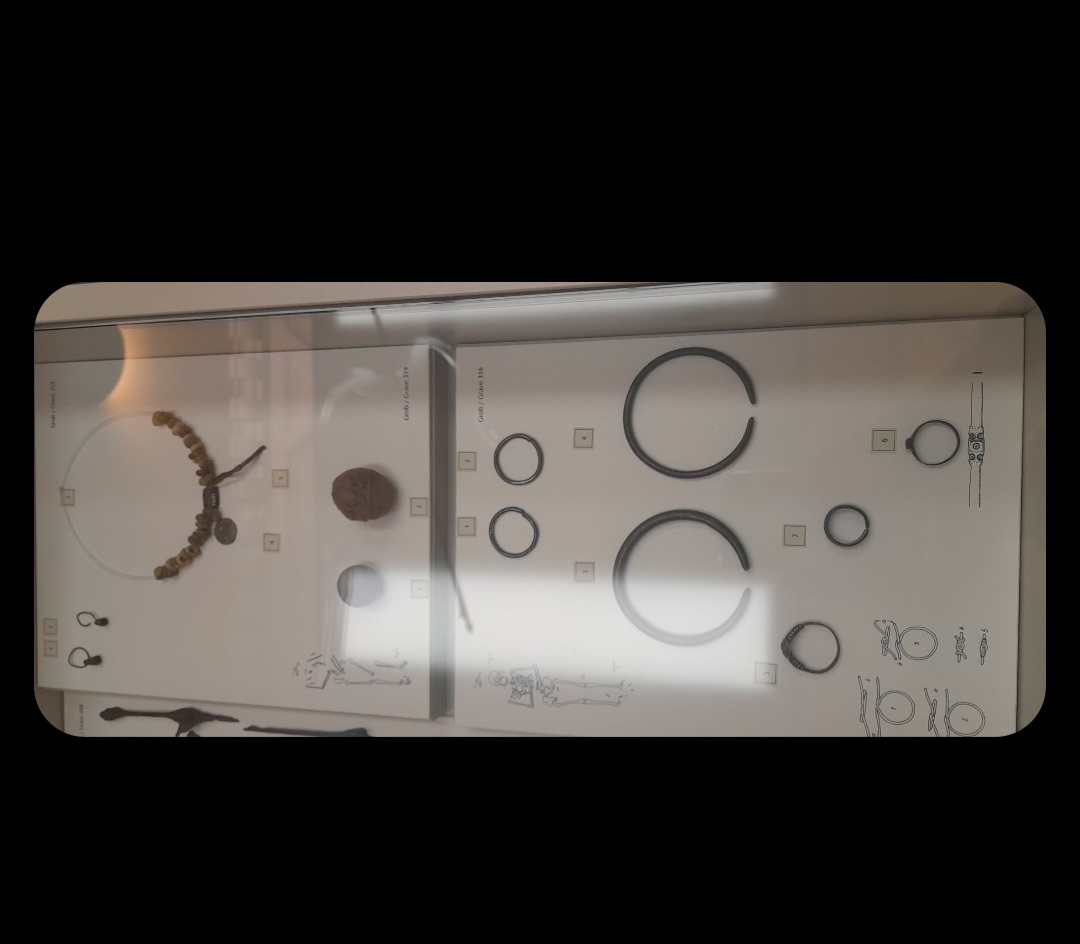
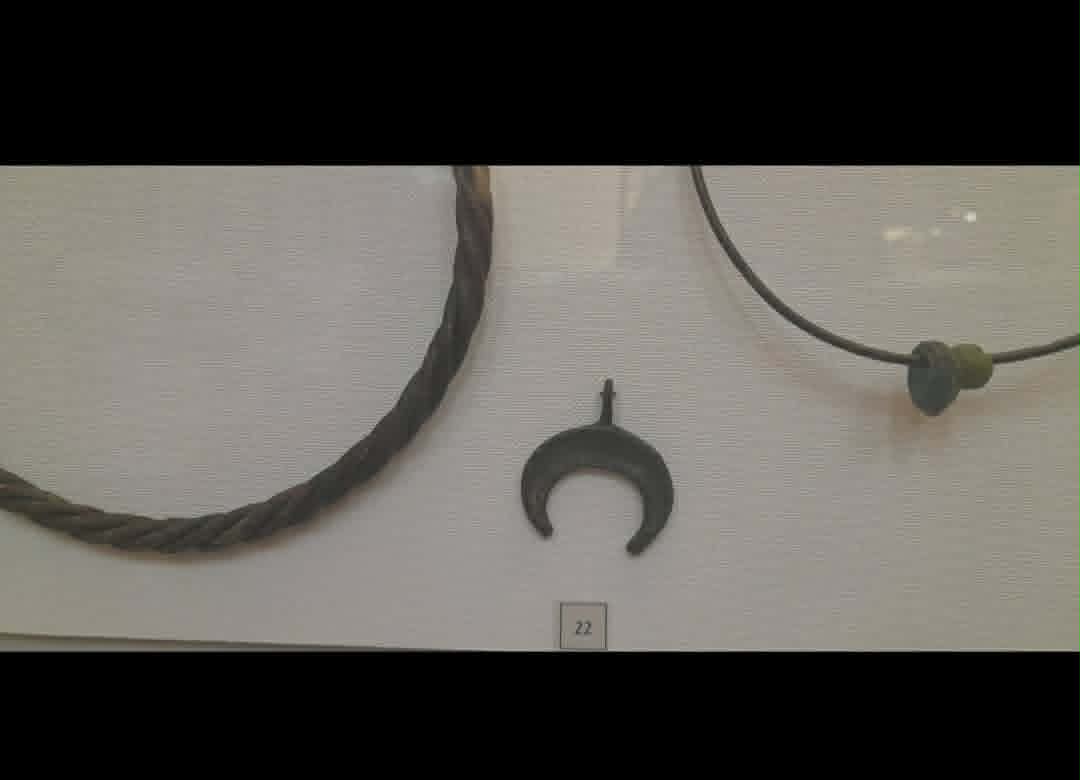
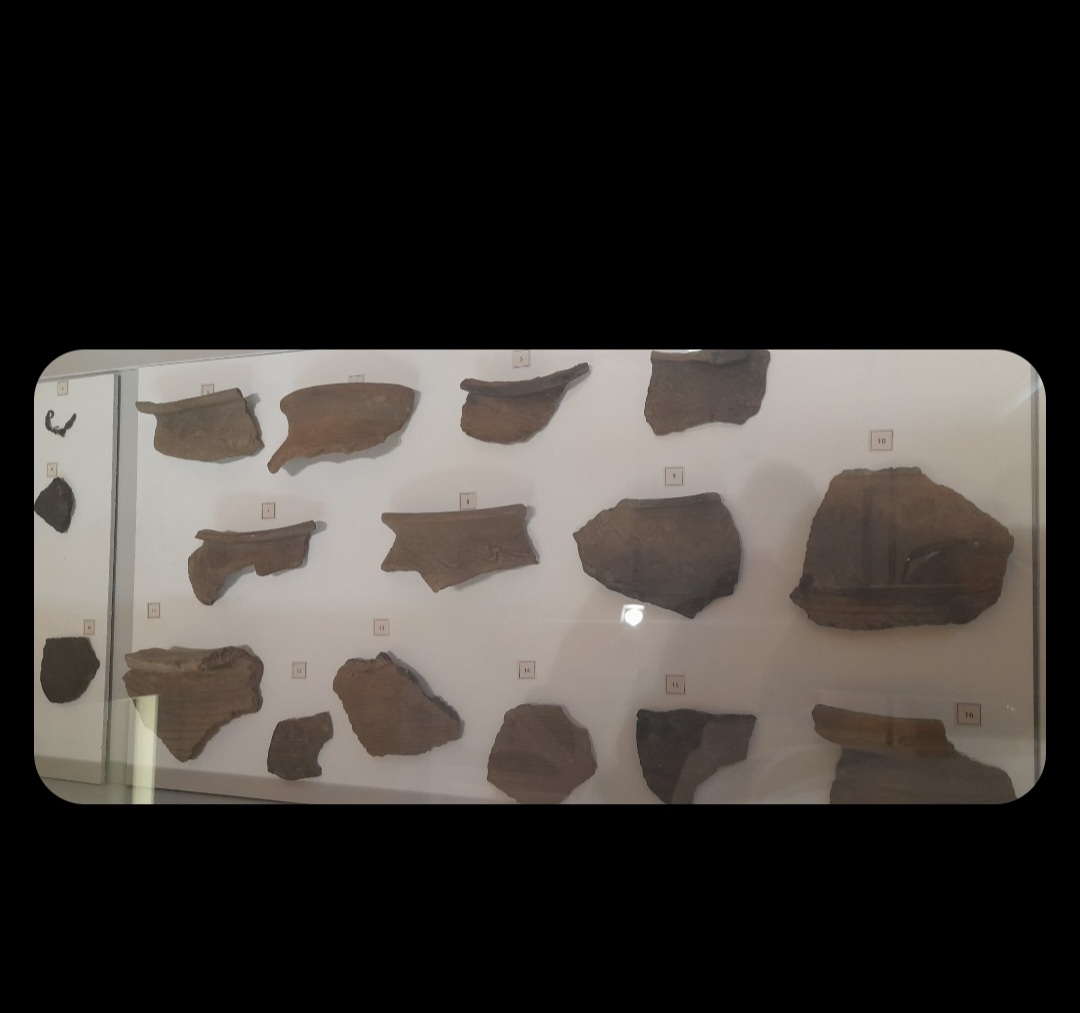
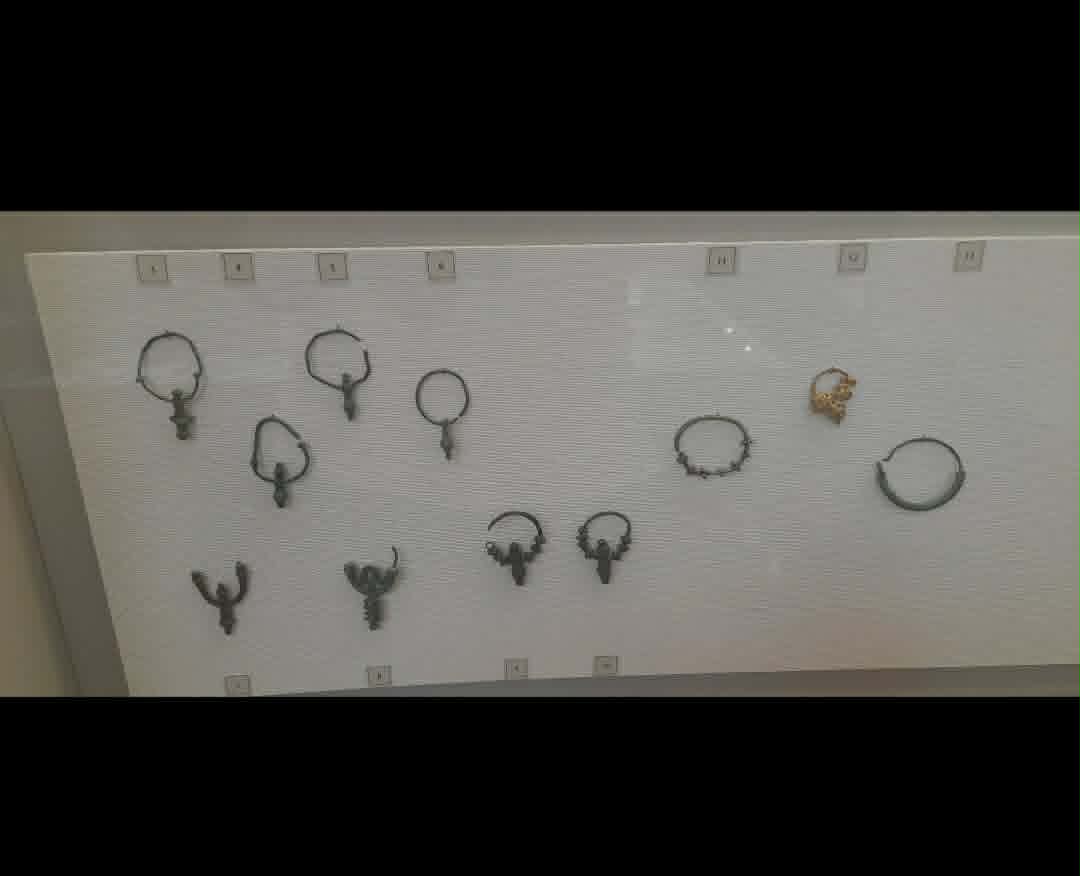
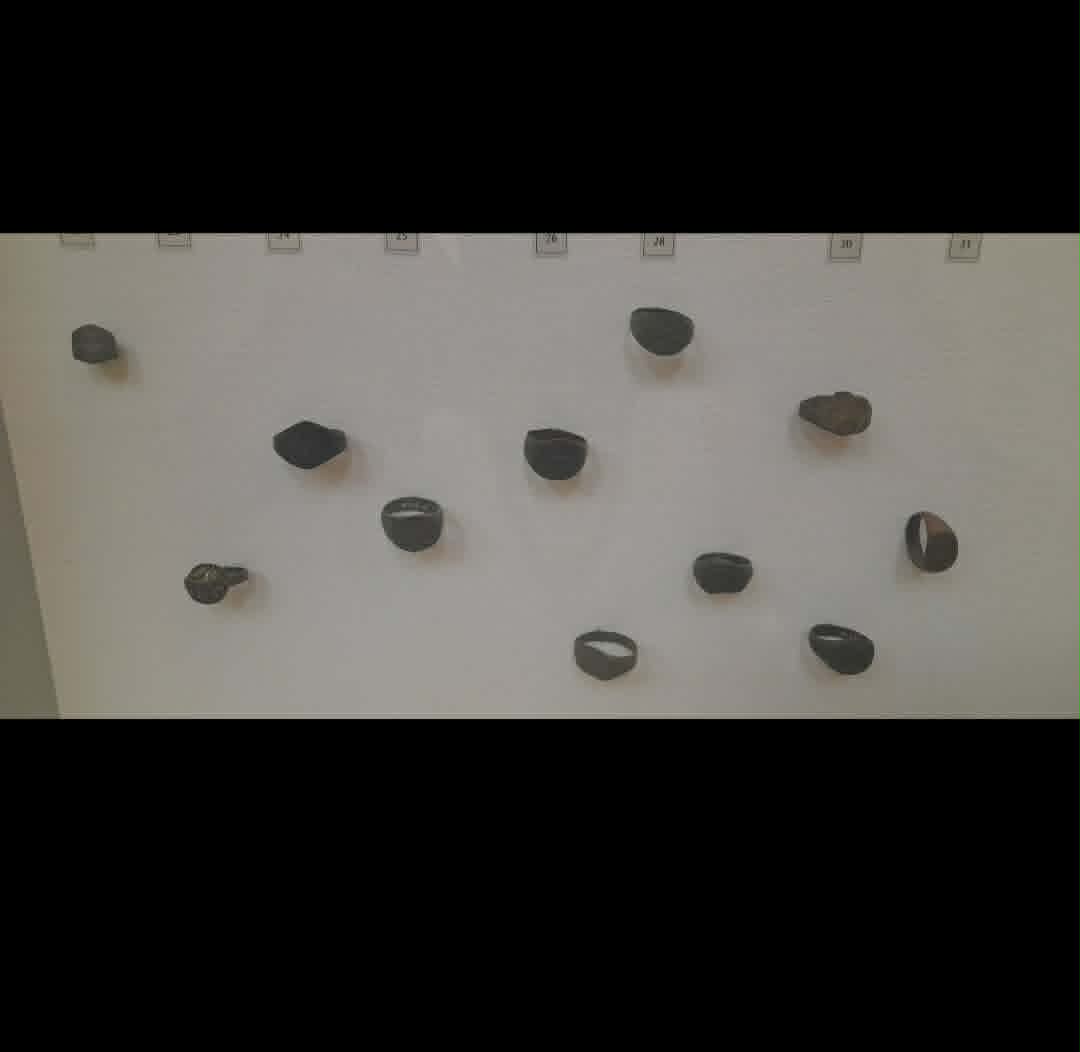
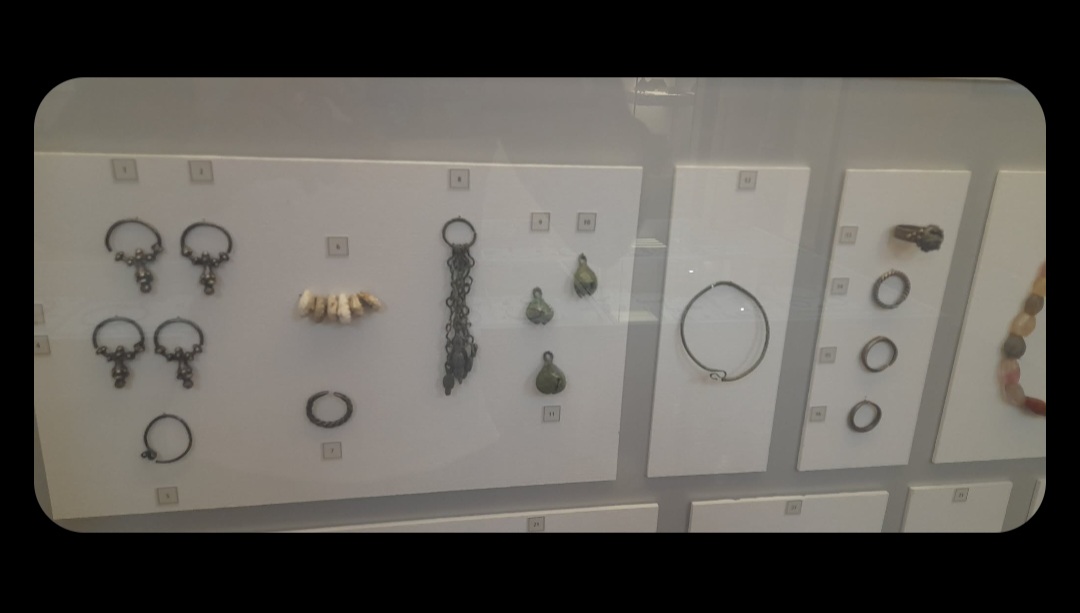
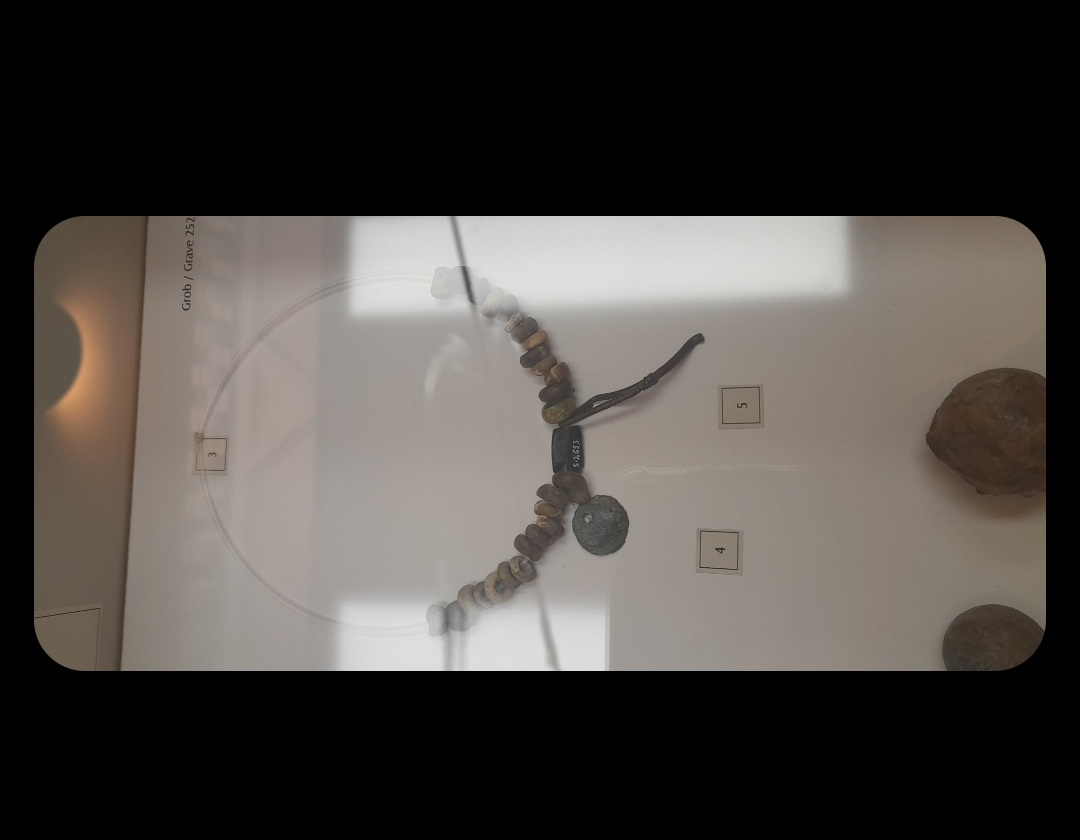
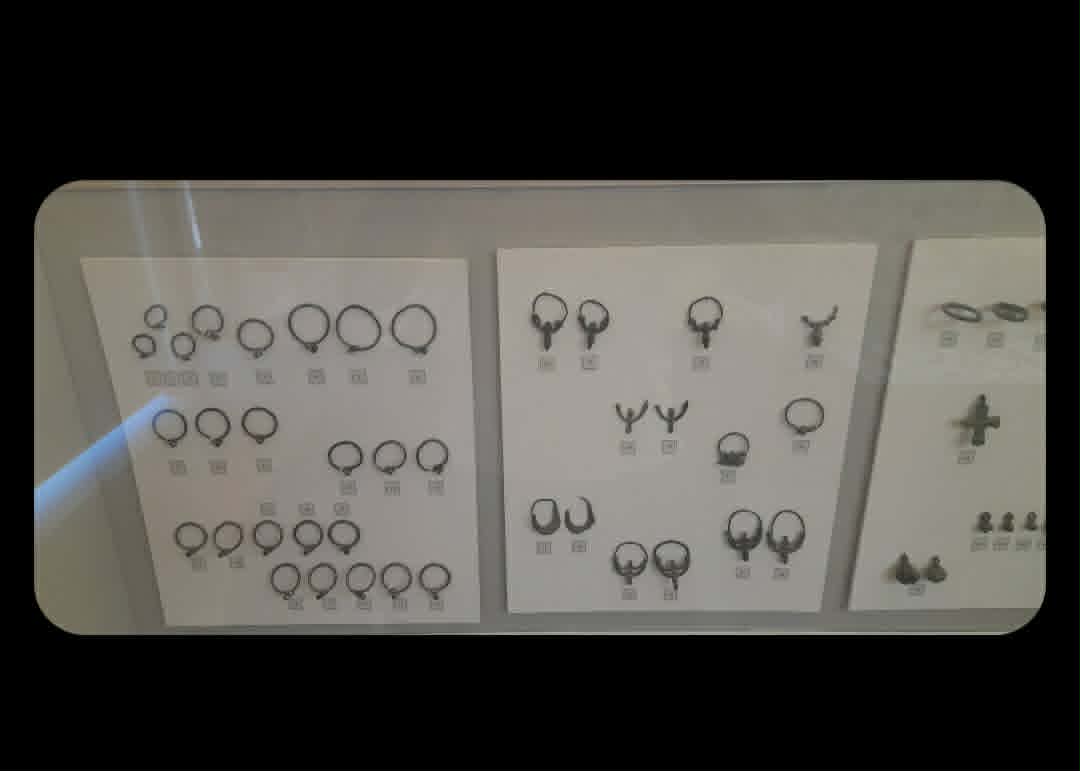
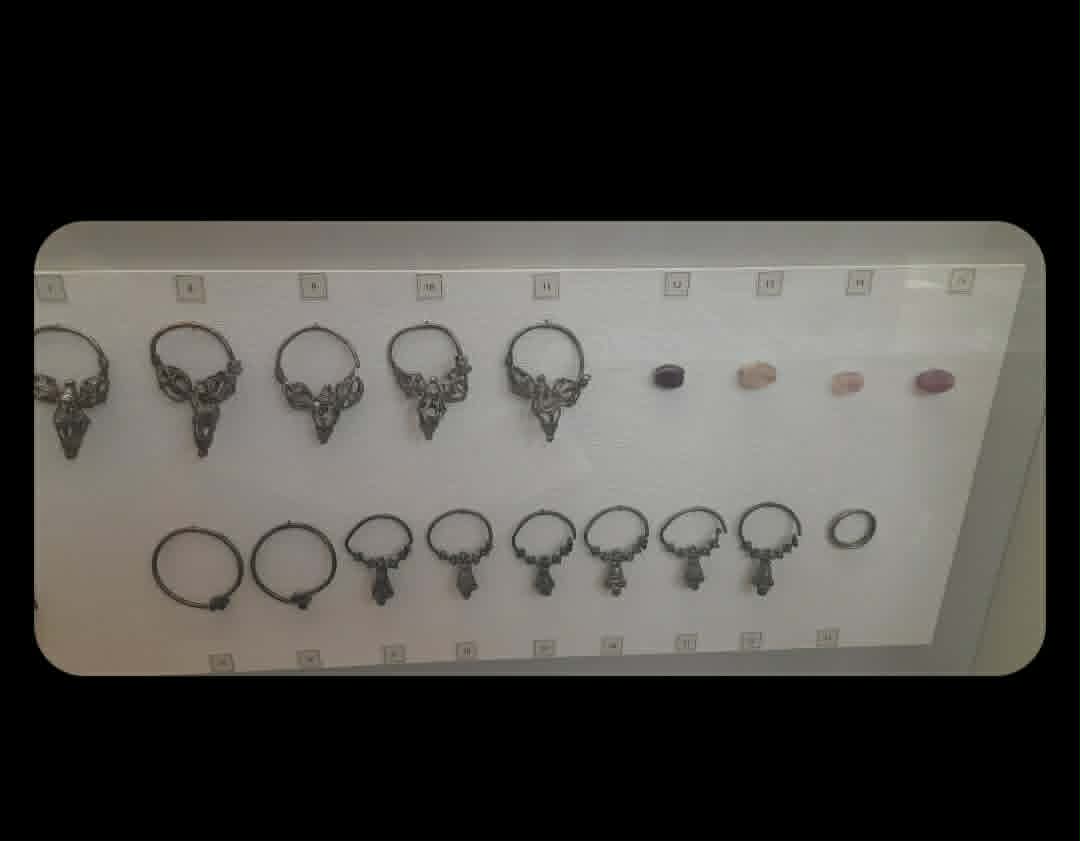
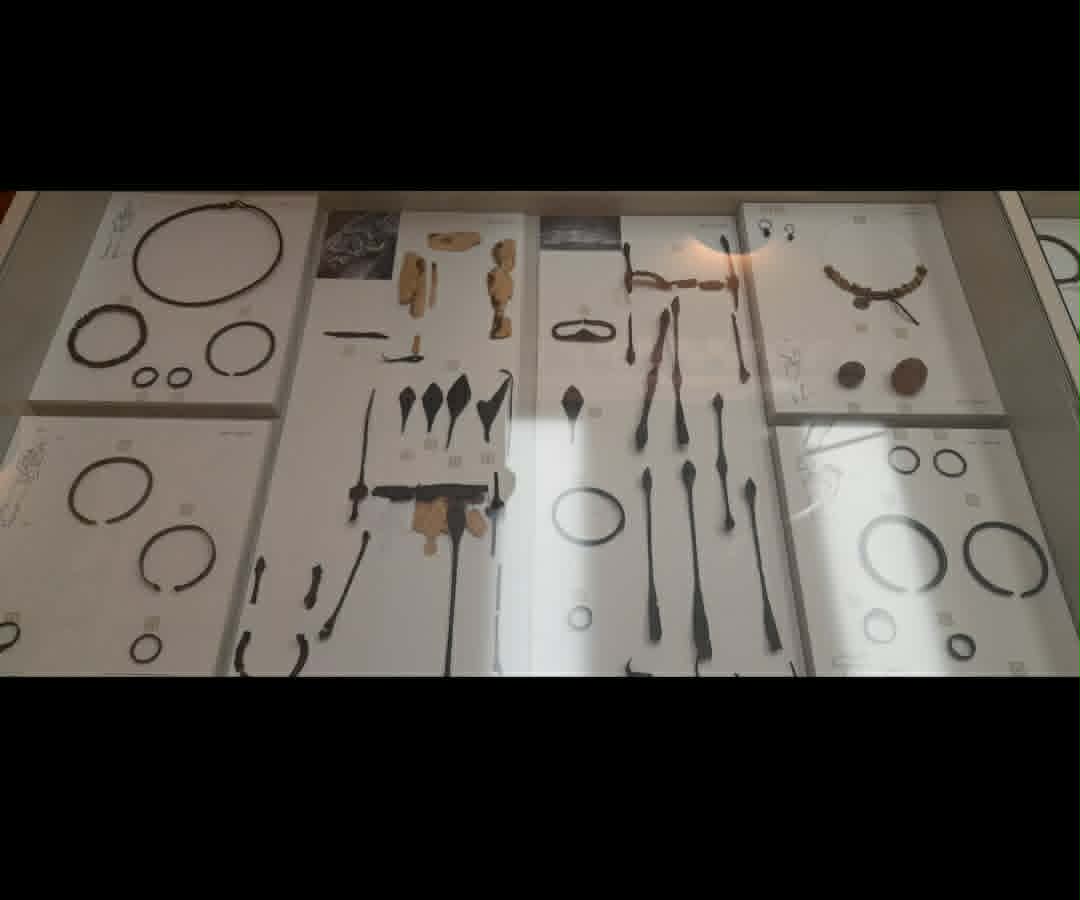
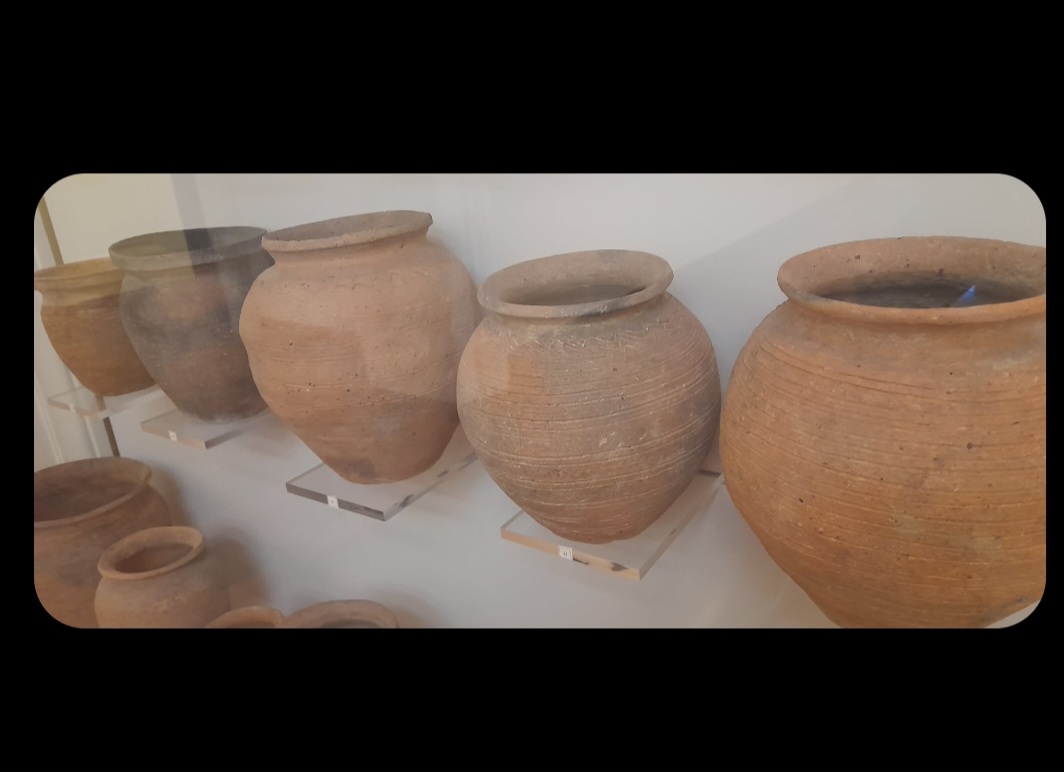
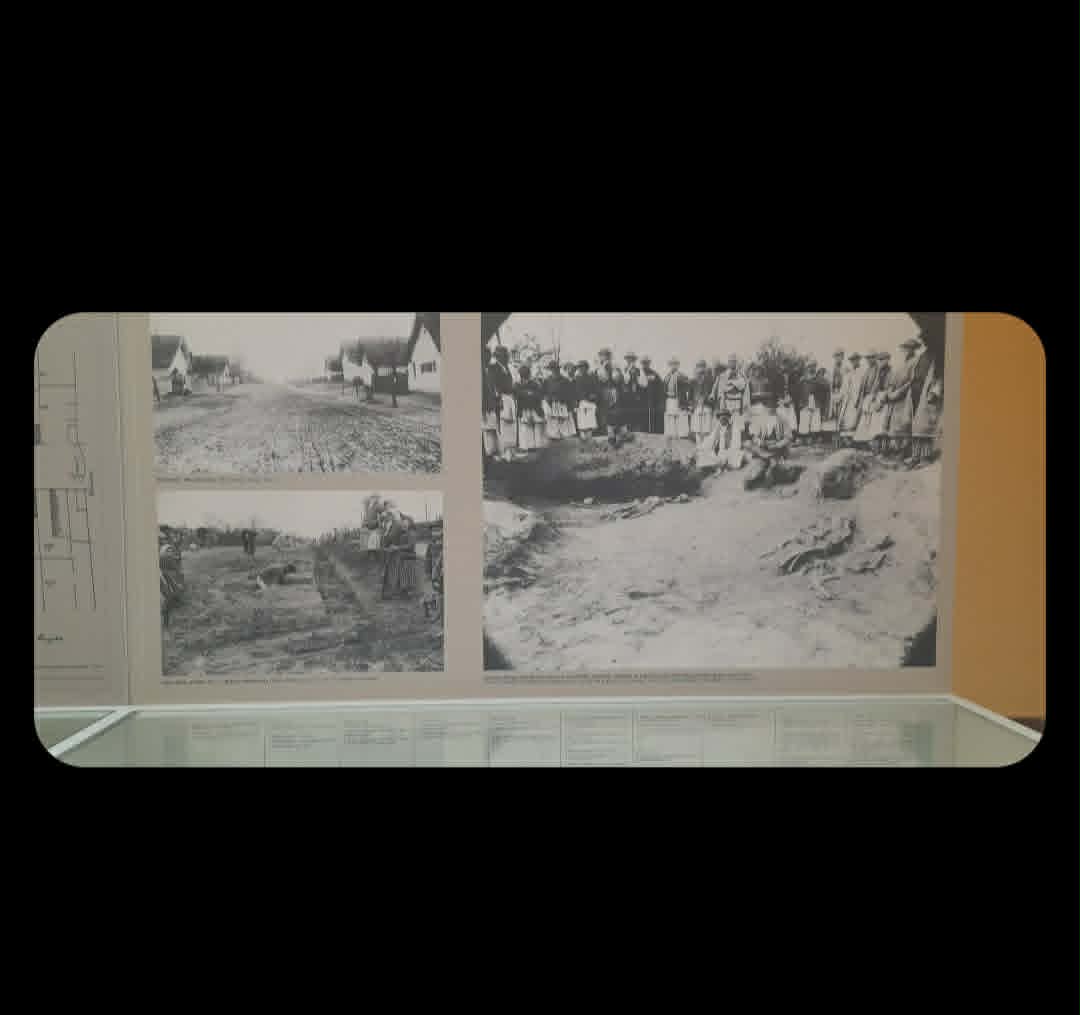
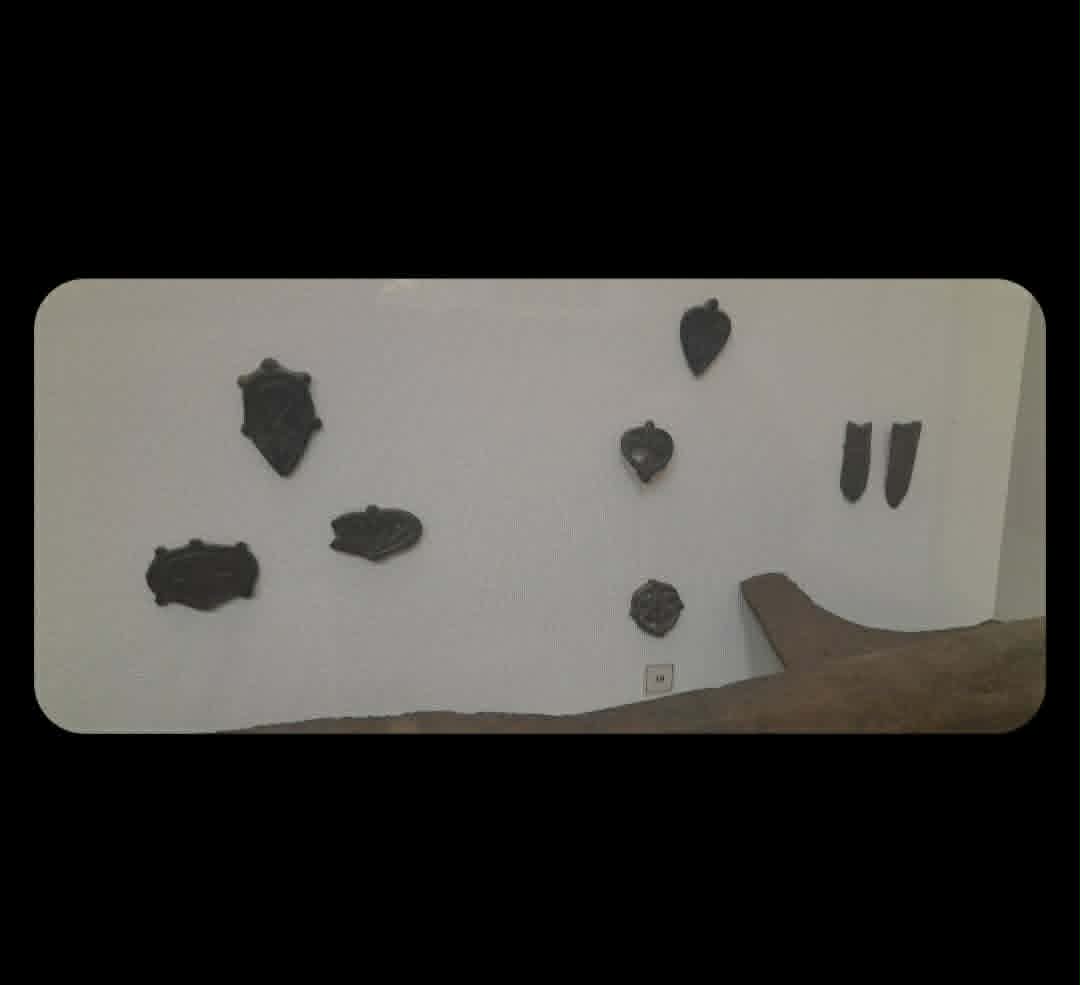
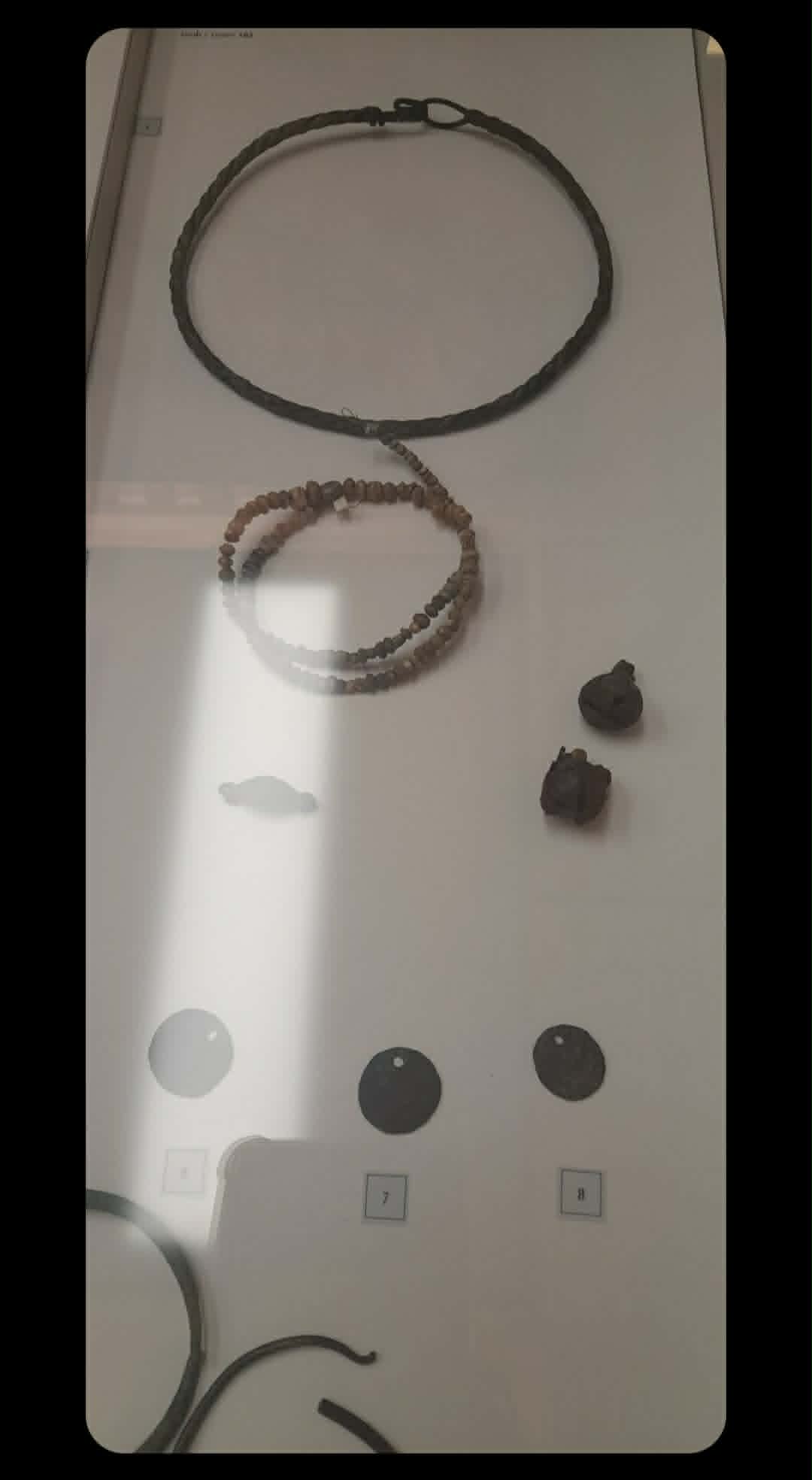
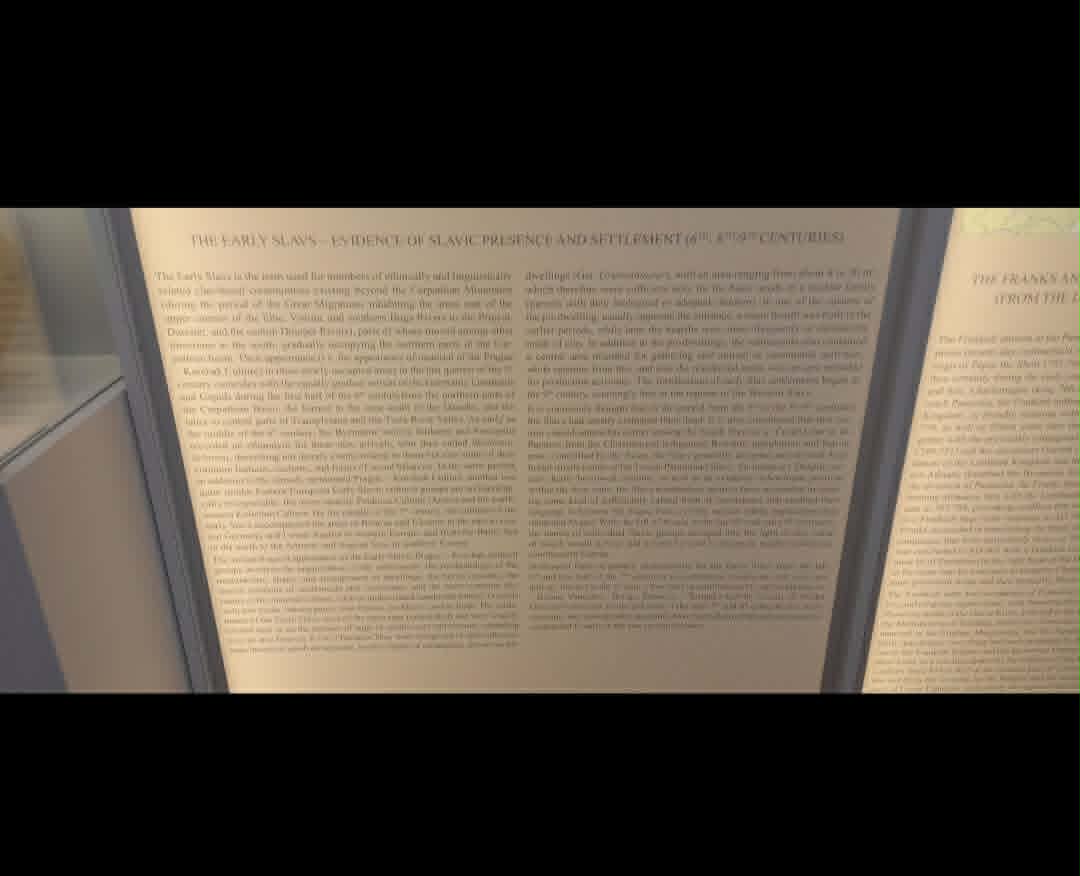
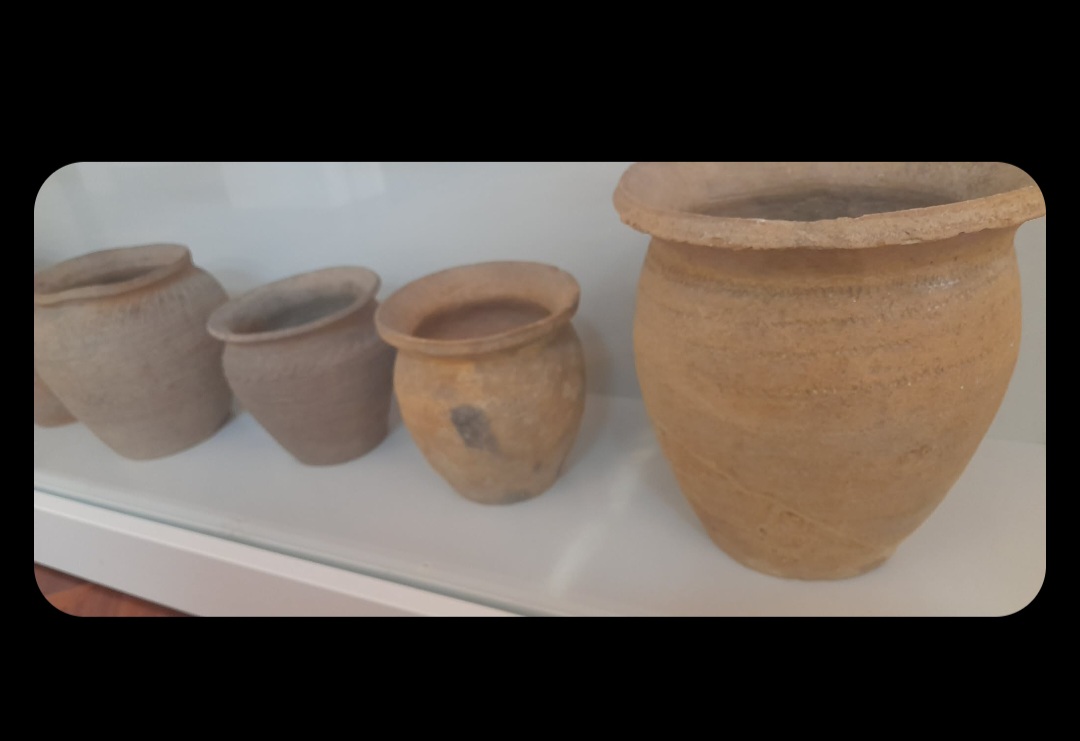
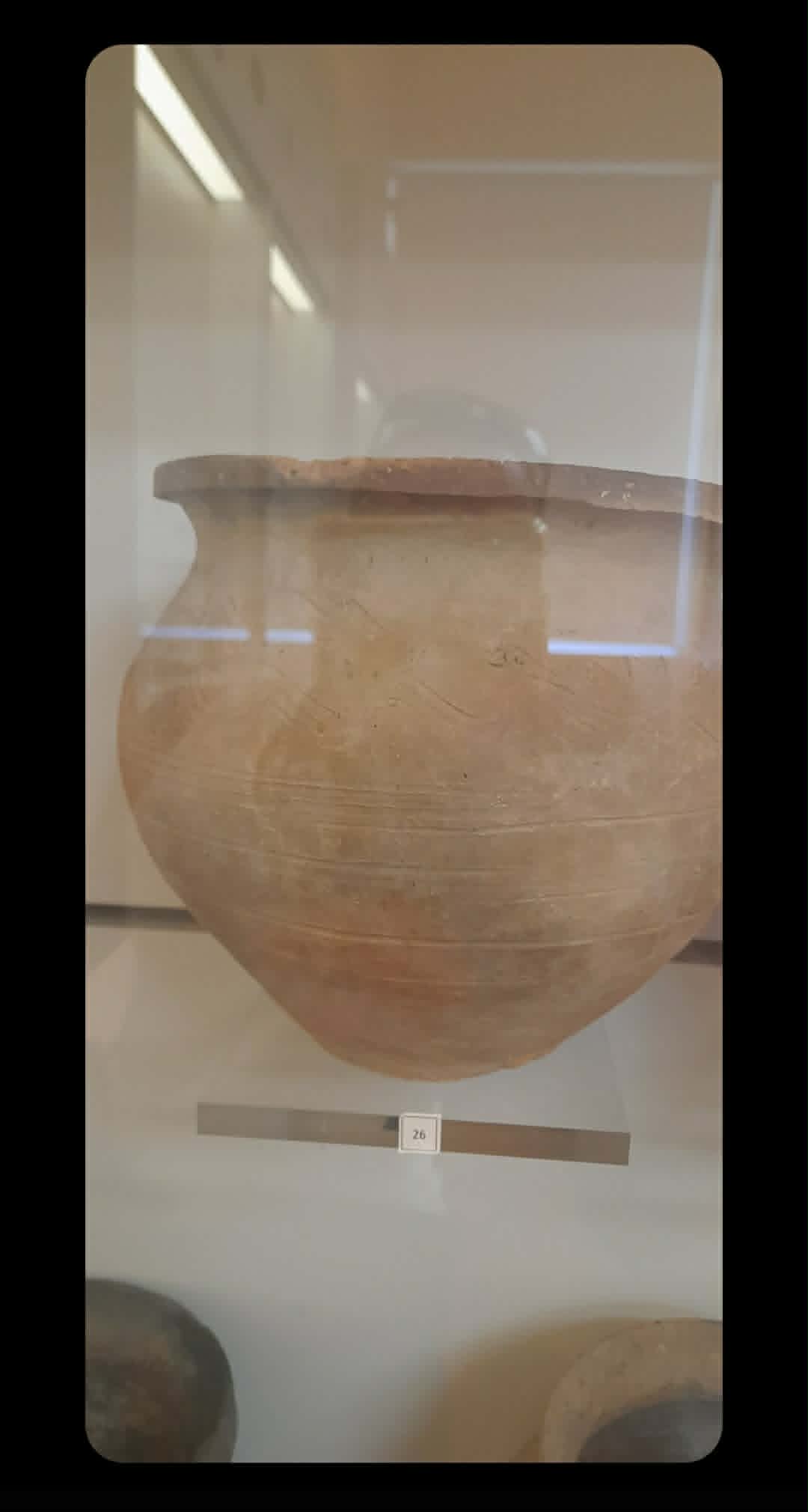
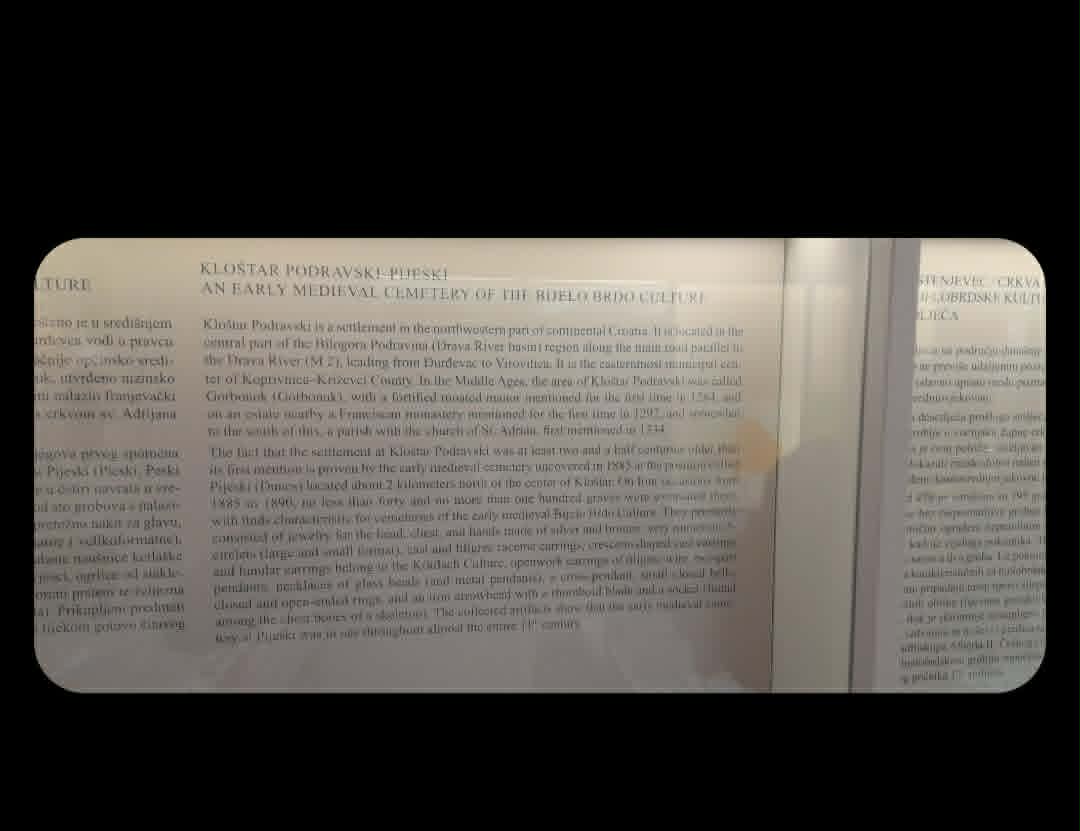
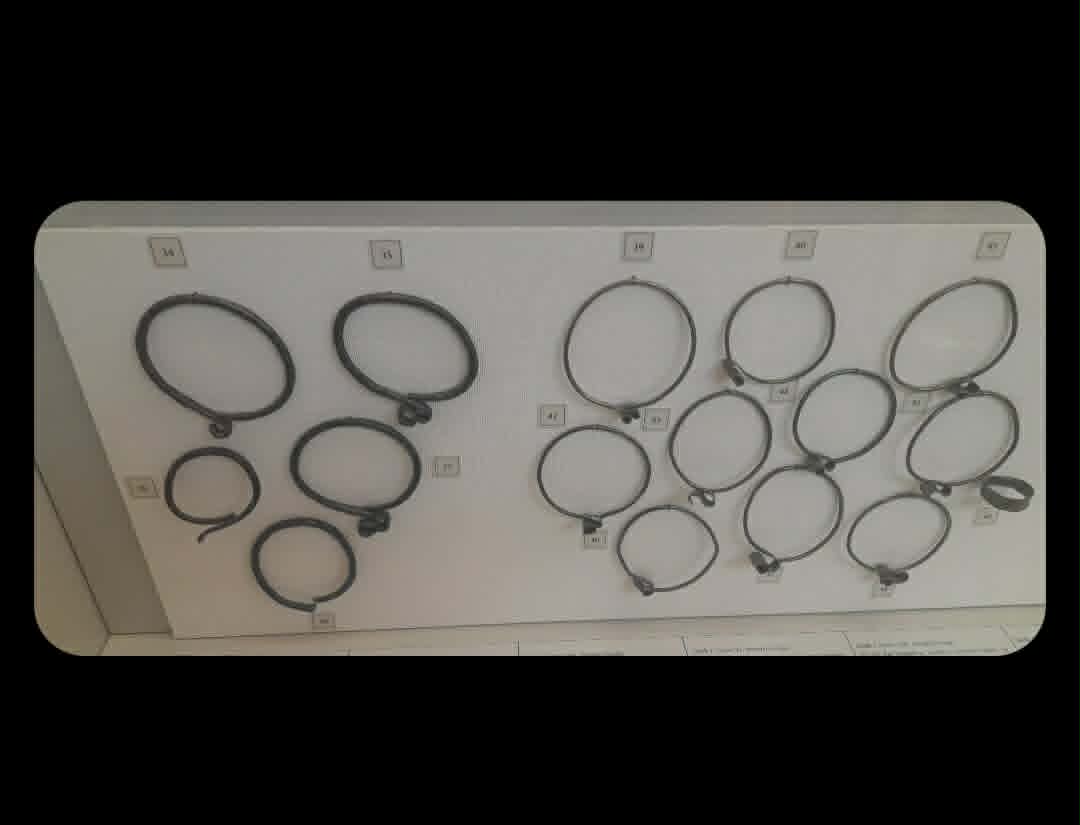
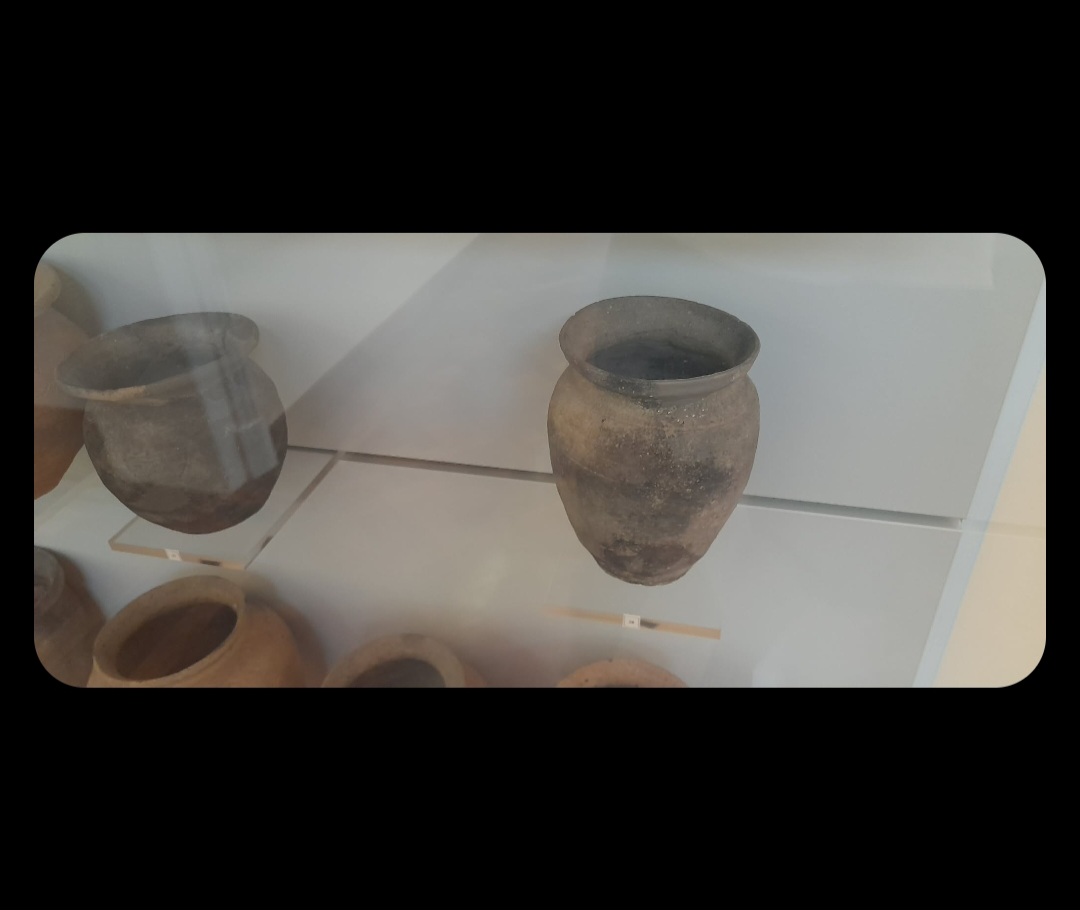
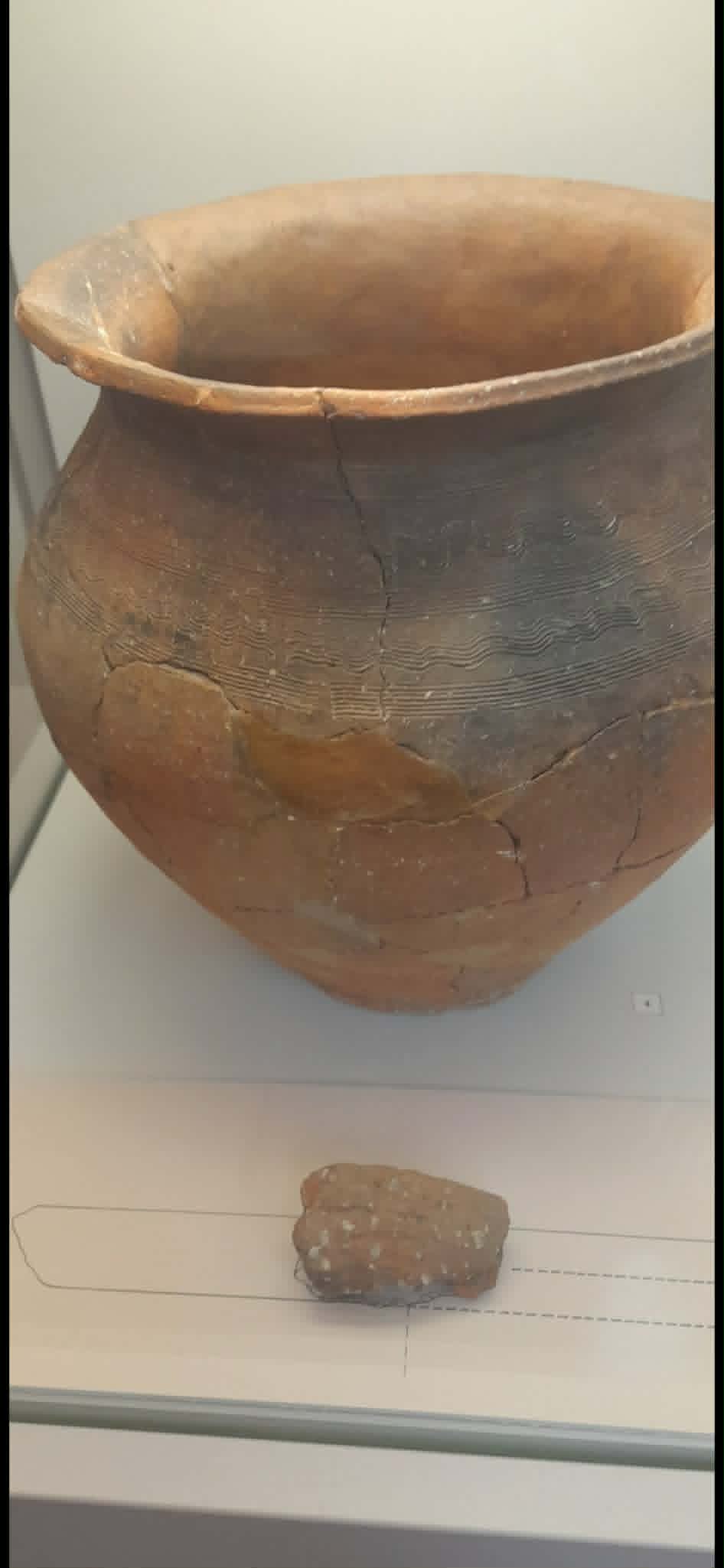
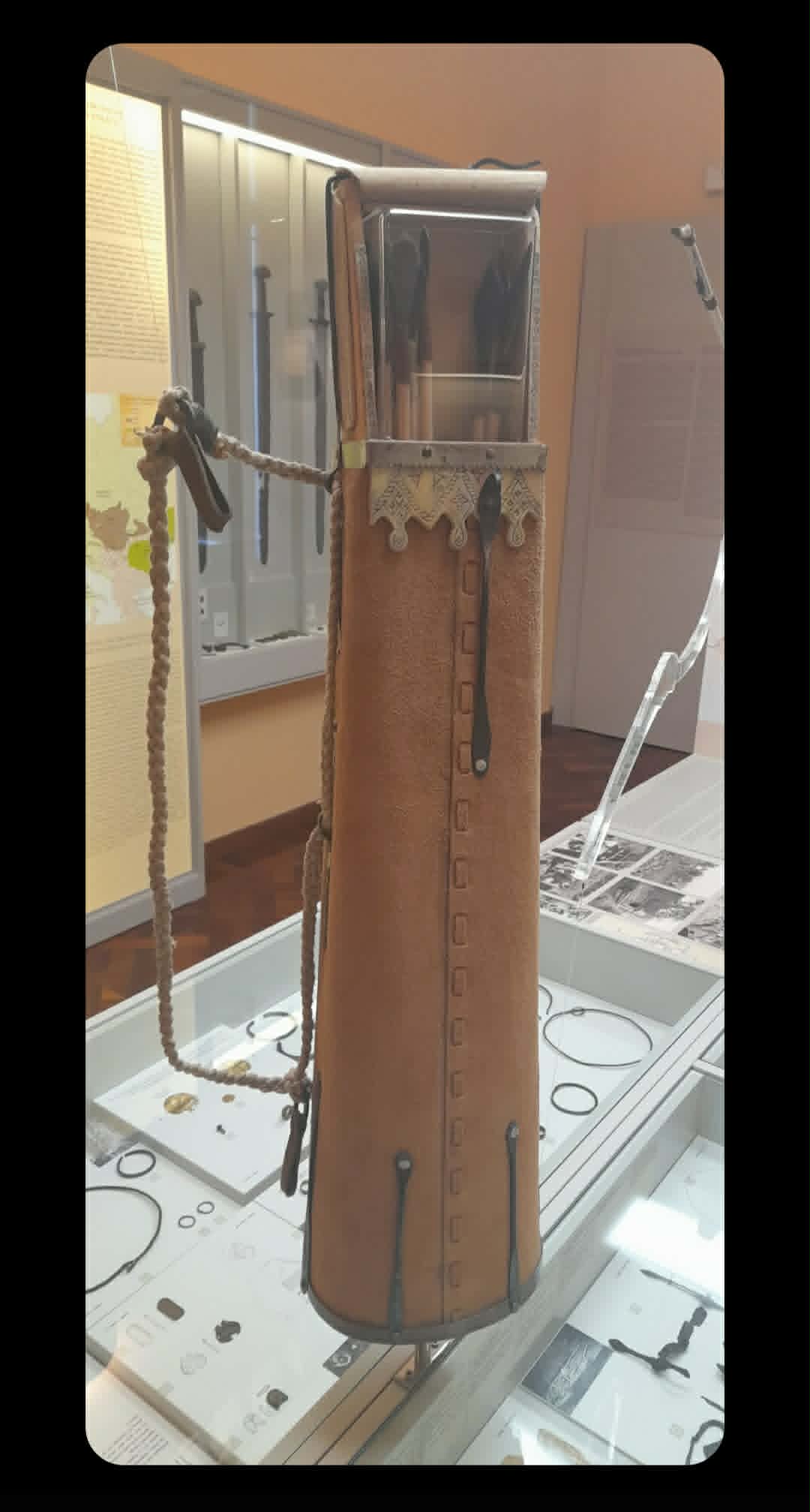
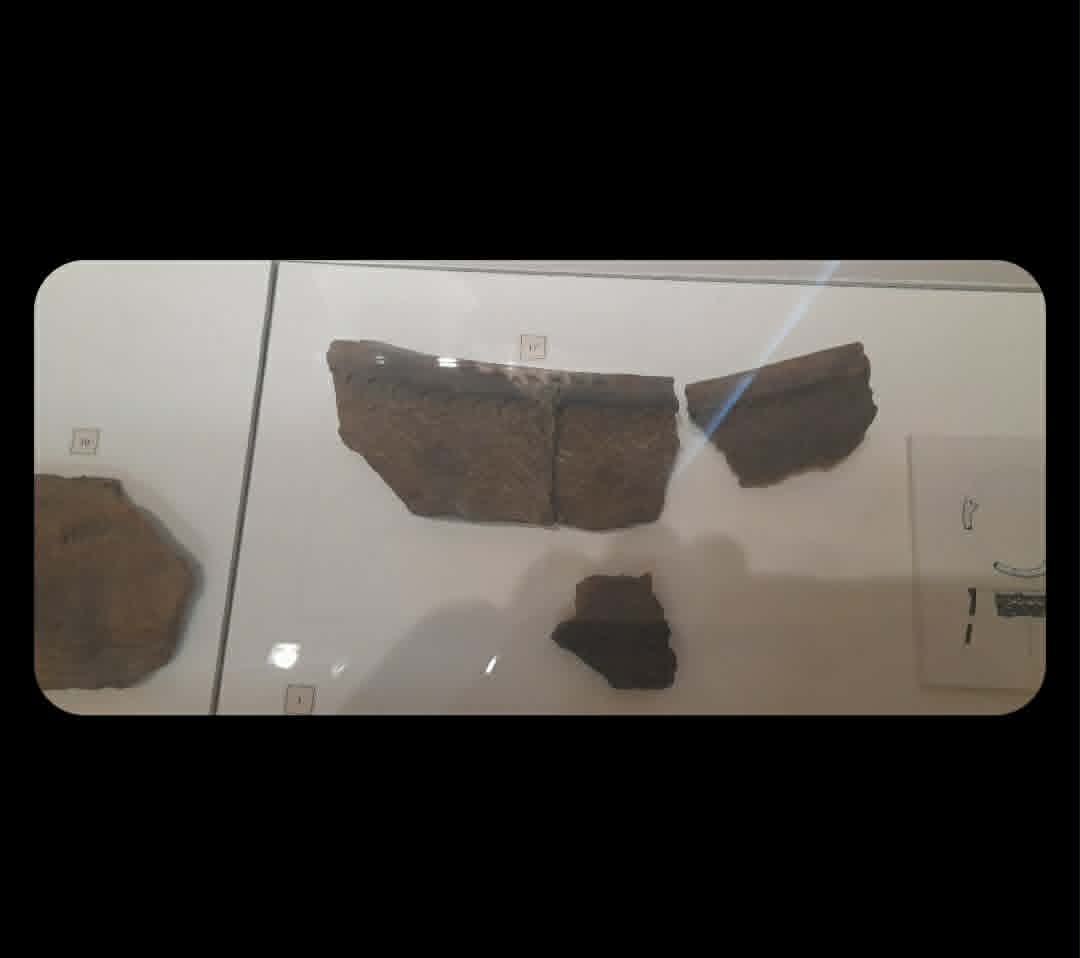
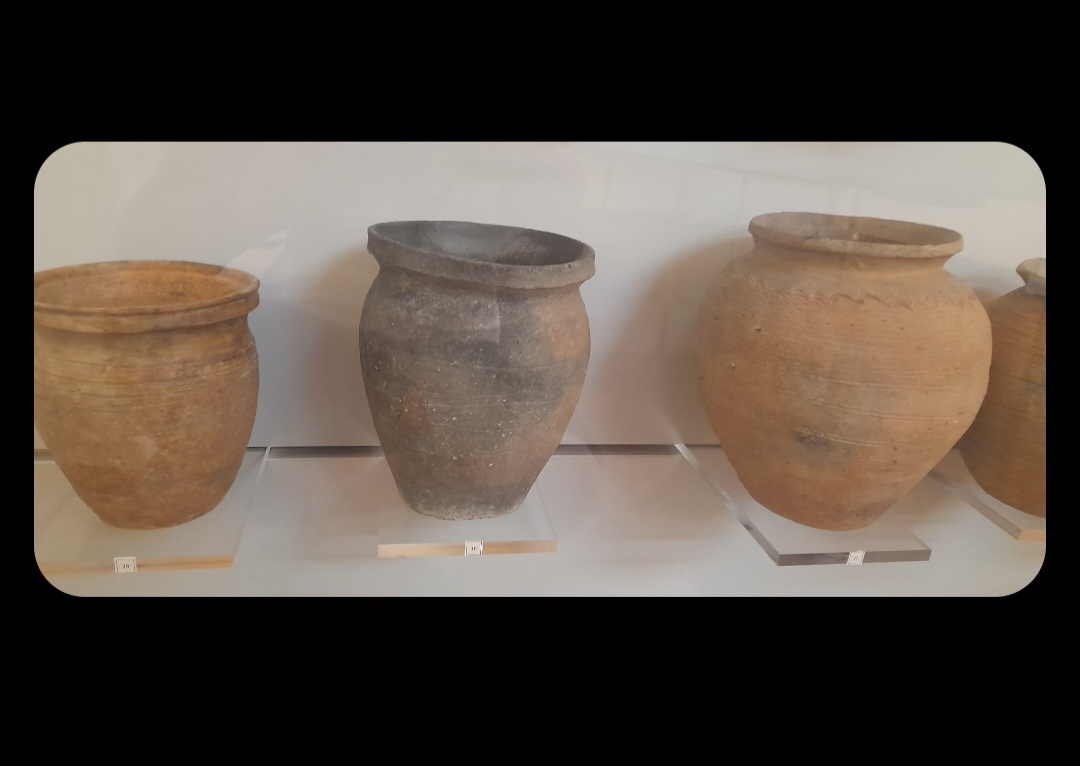
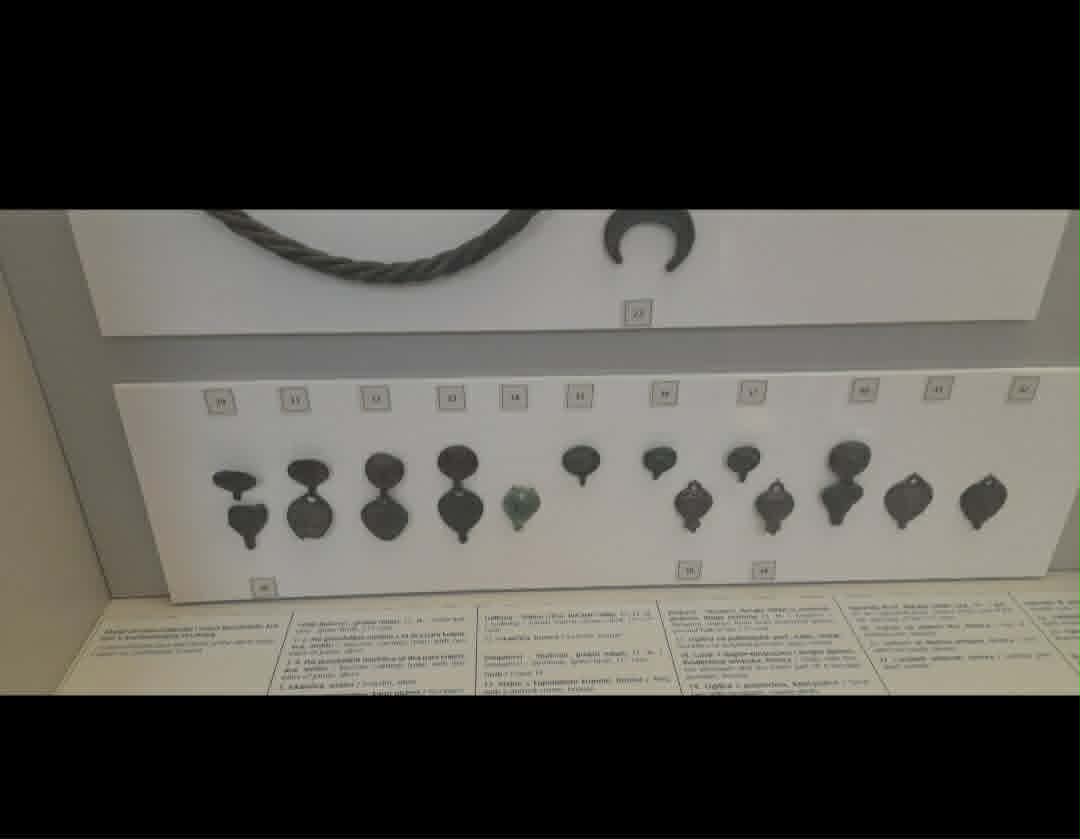
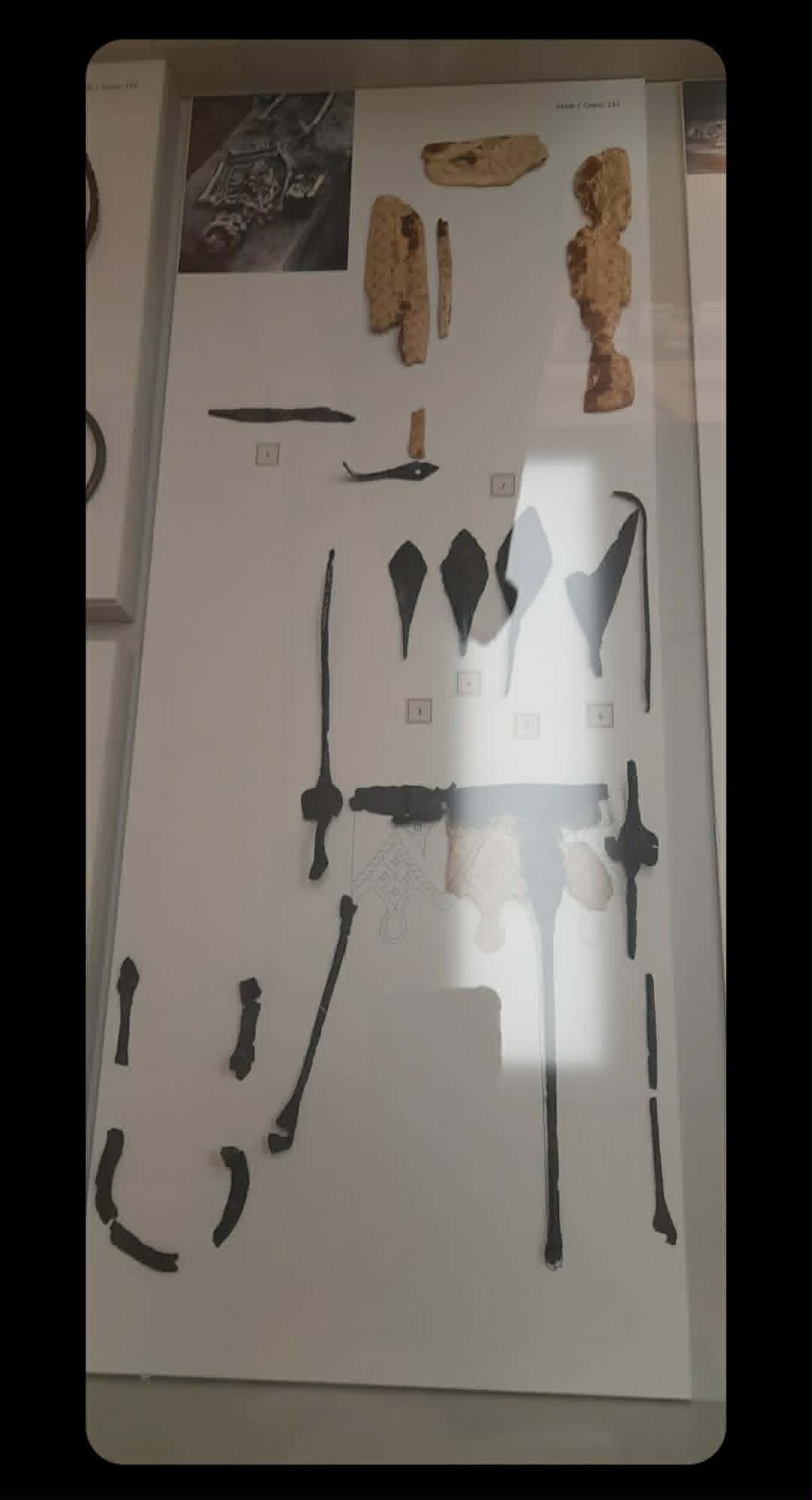
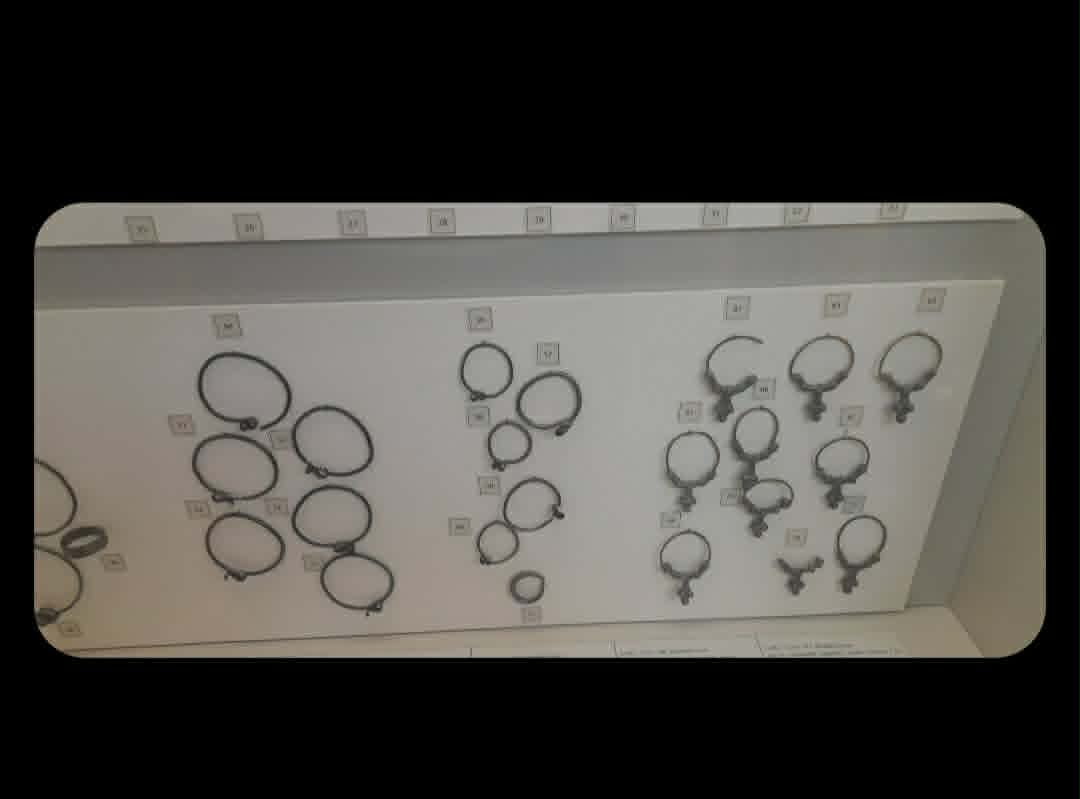
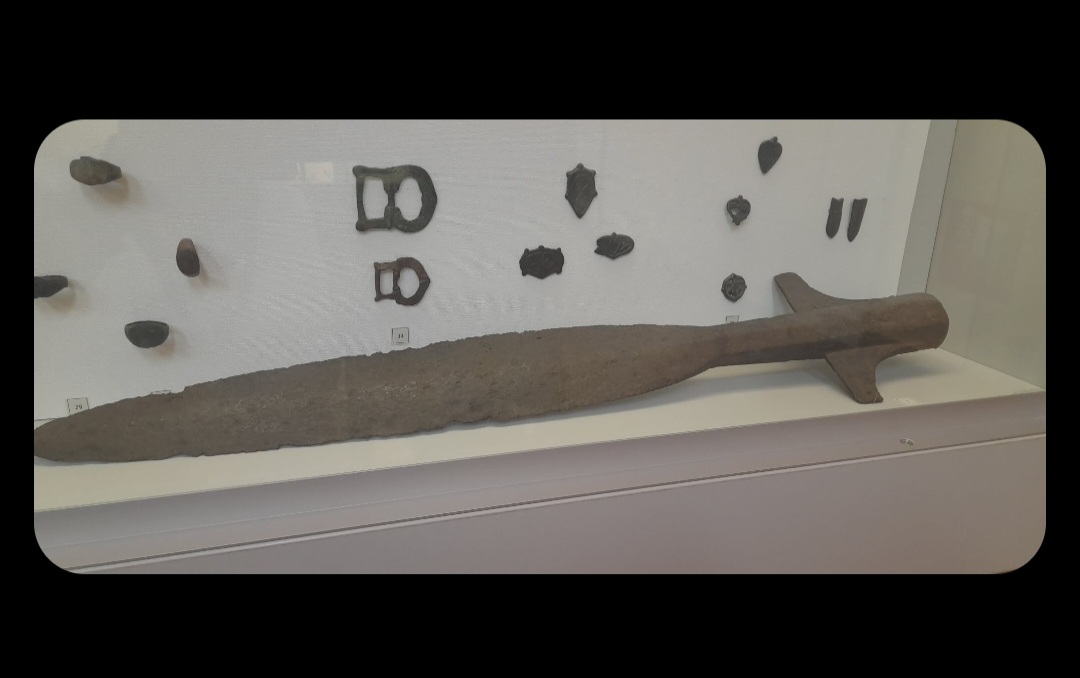
-Here are photos of the Slavic section of the Zagreb Museum, a true treasure for anyone interested in Croatia’s deep roots.
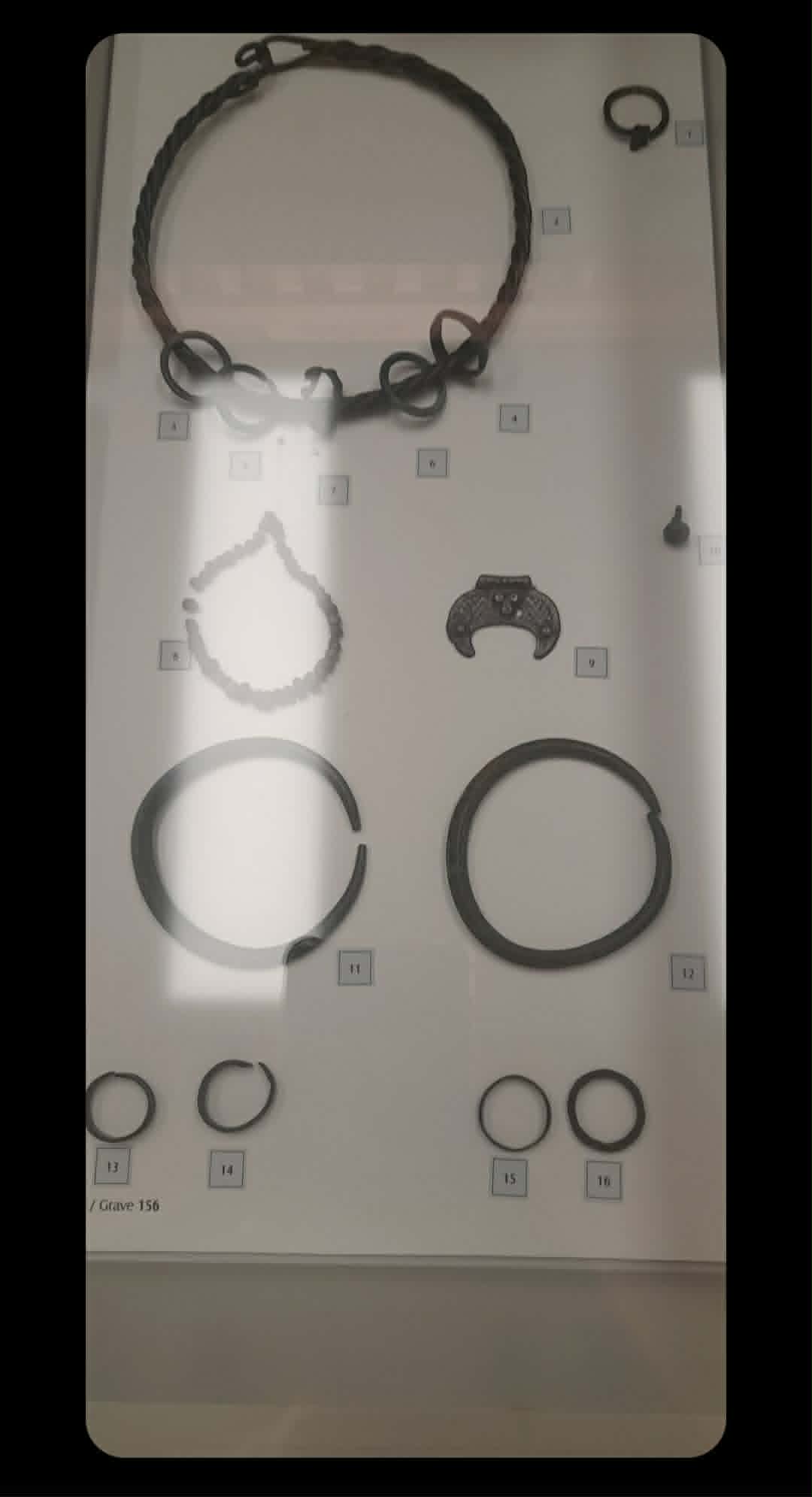
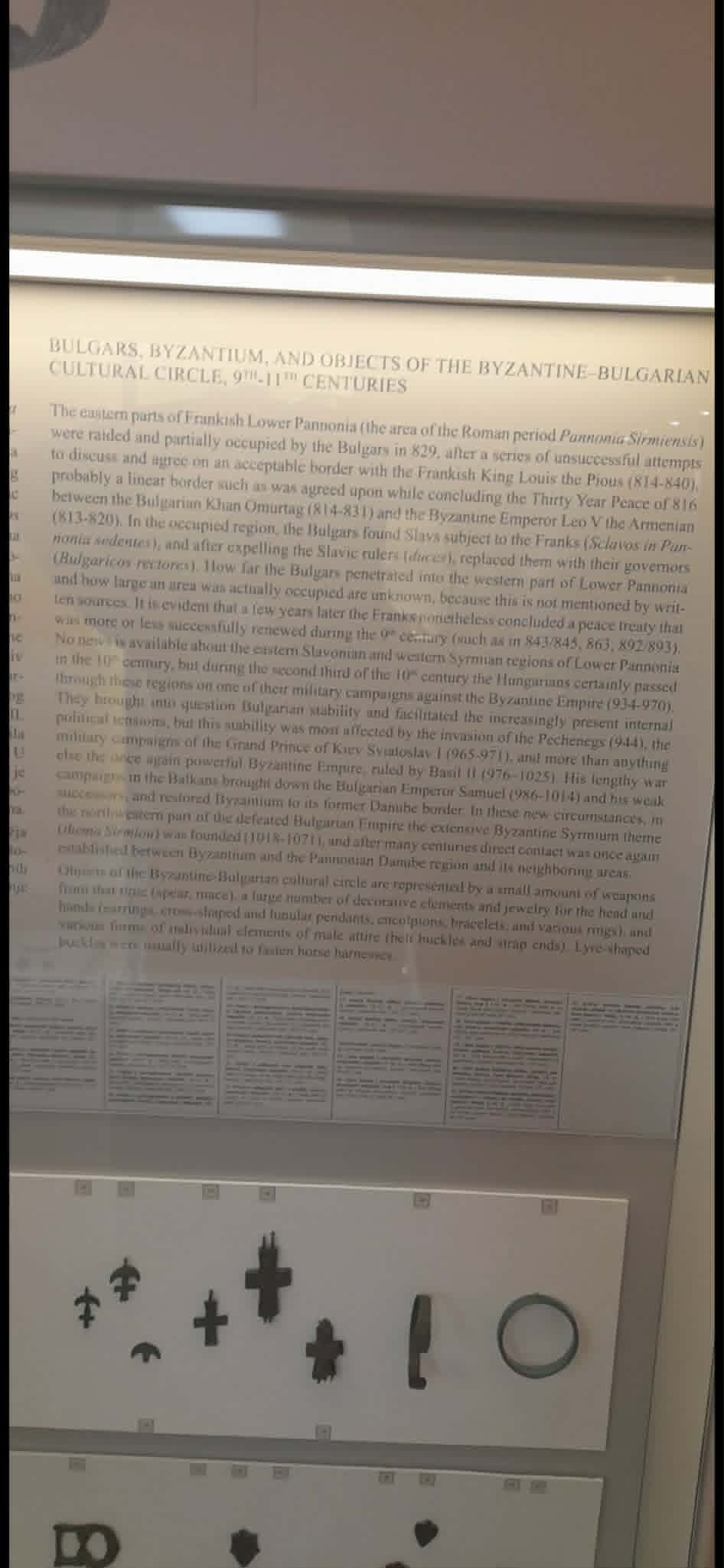
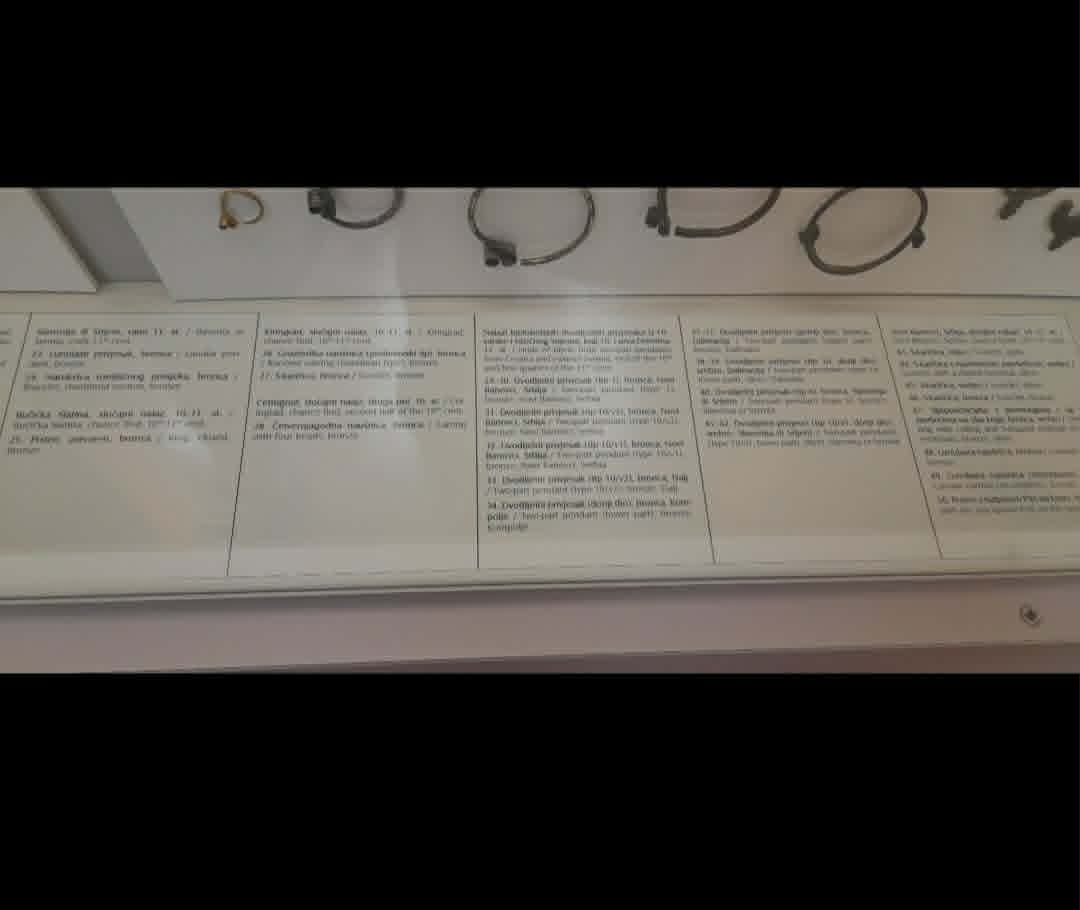
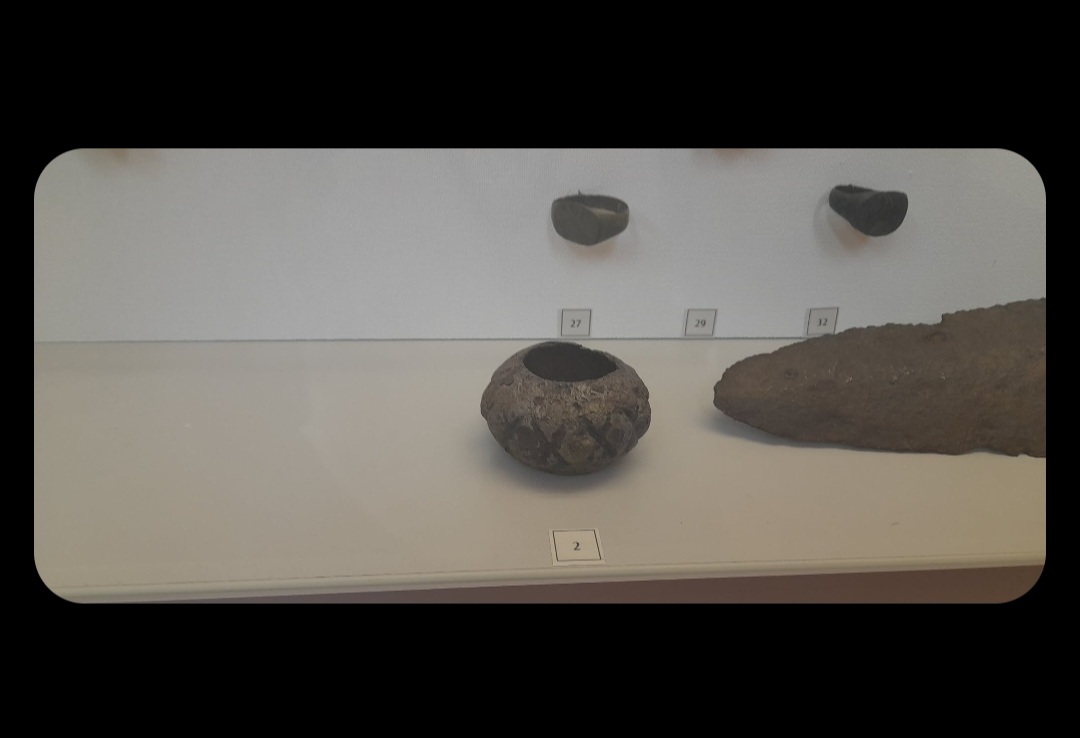
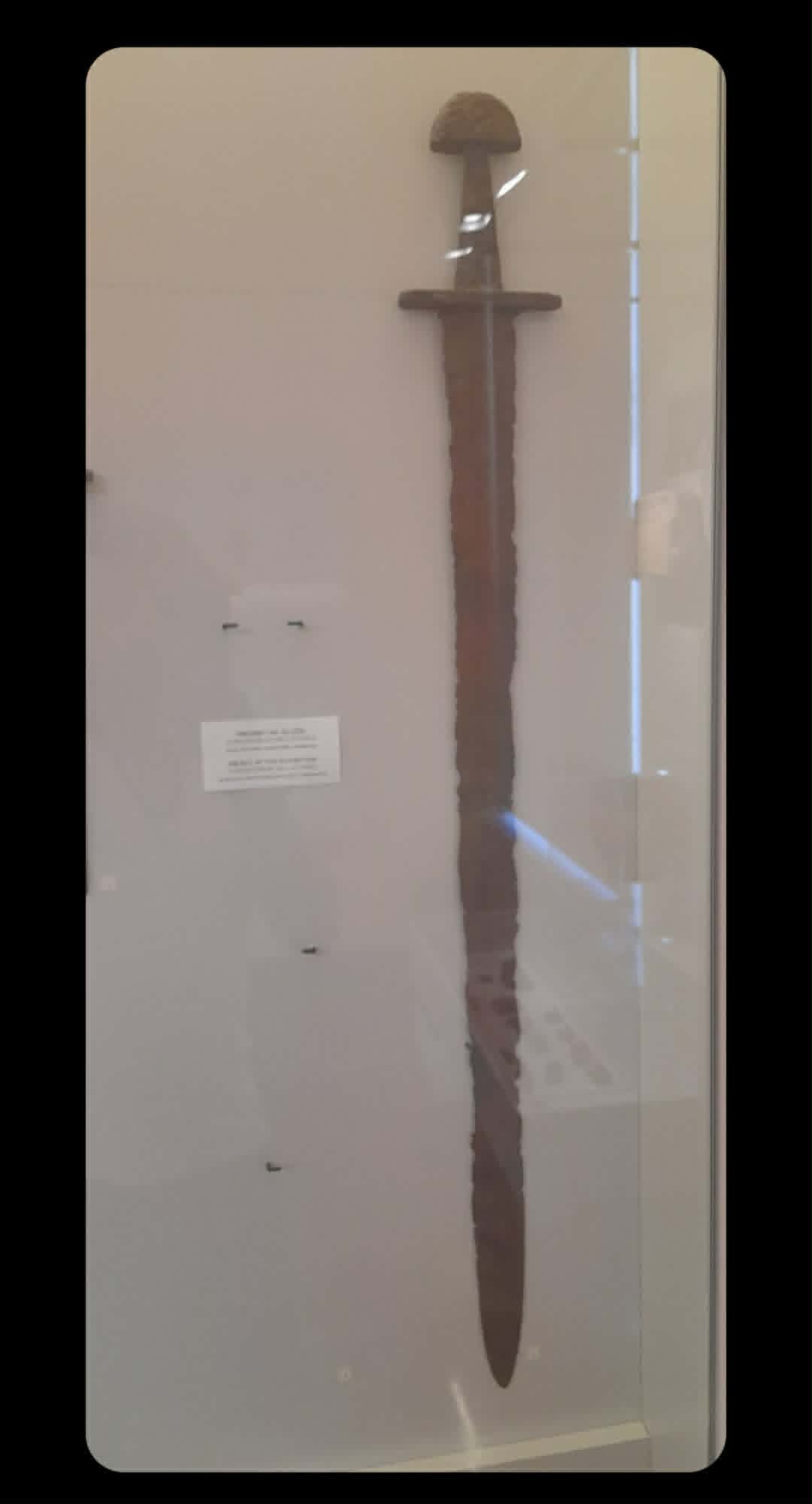
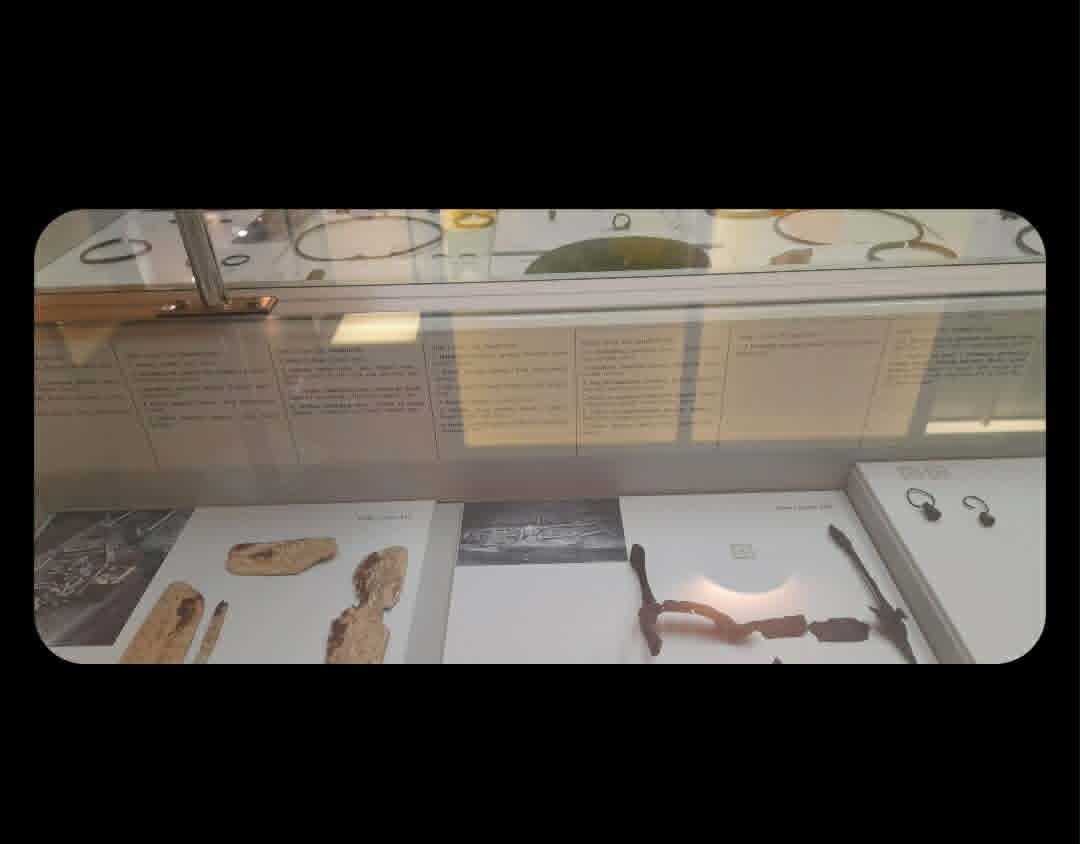
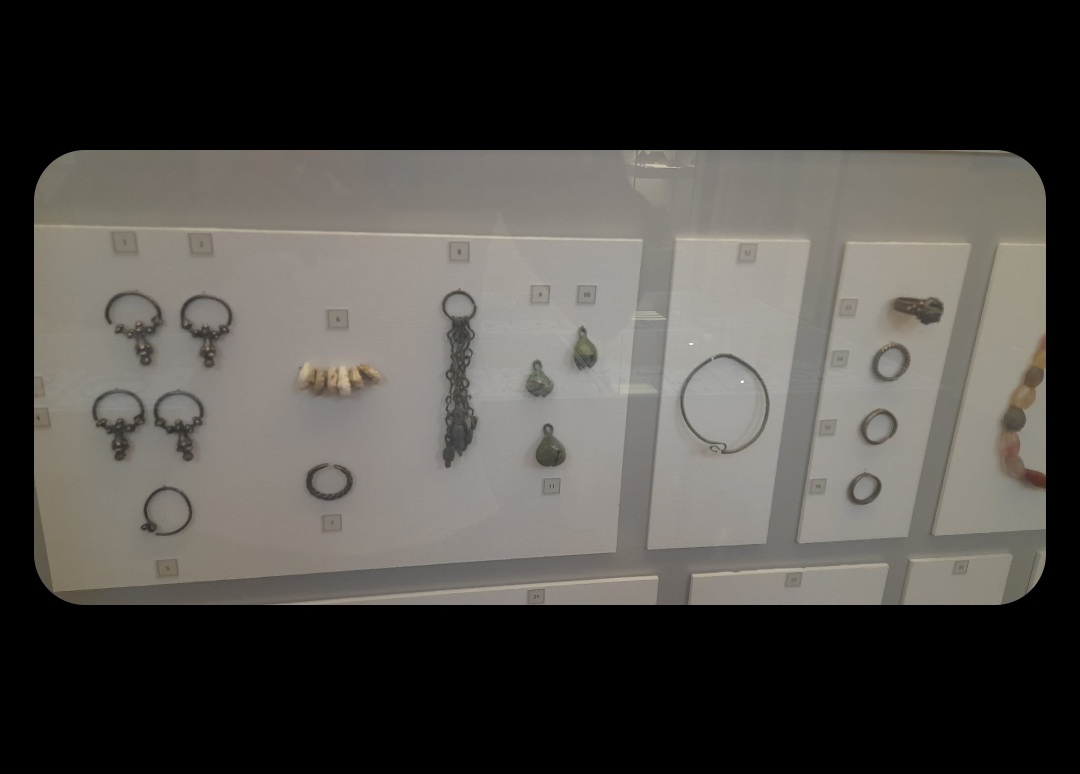
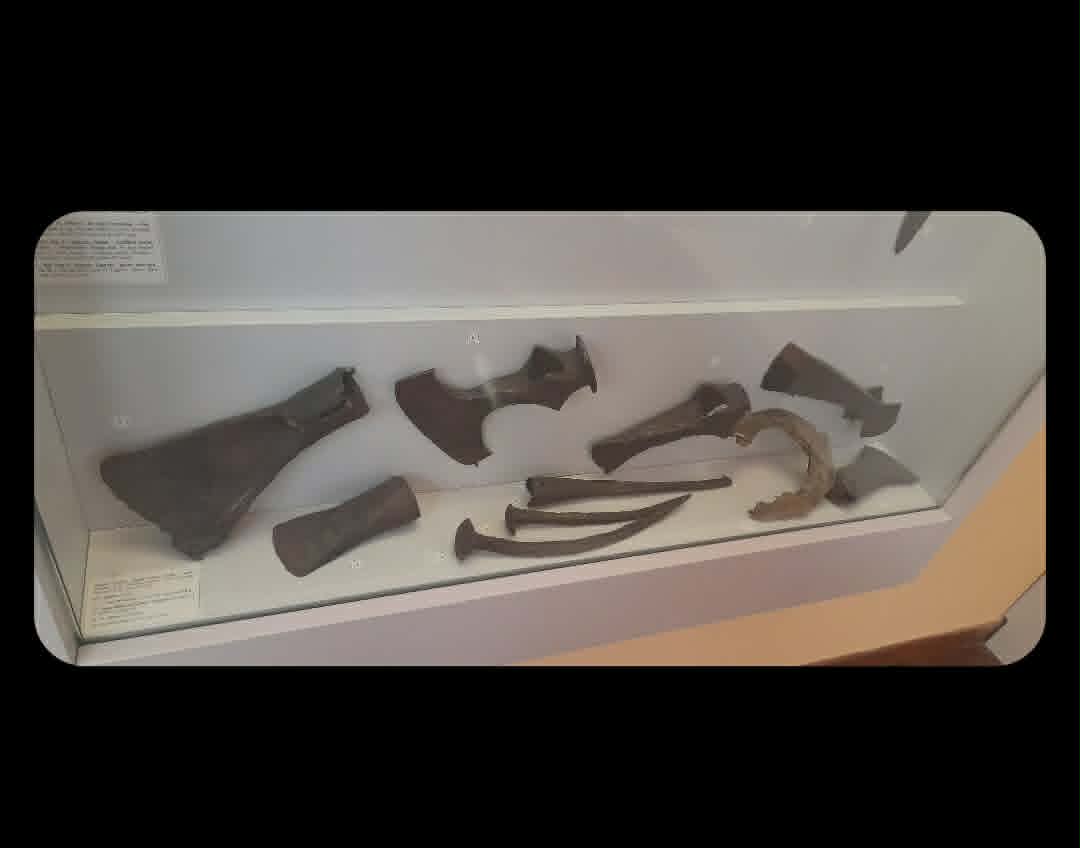
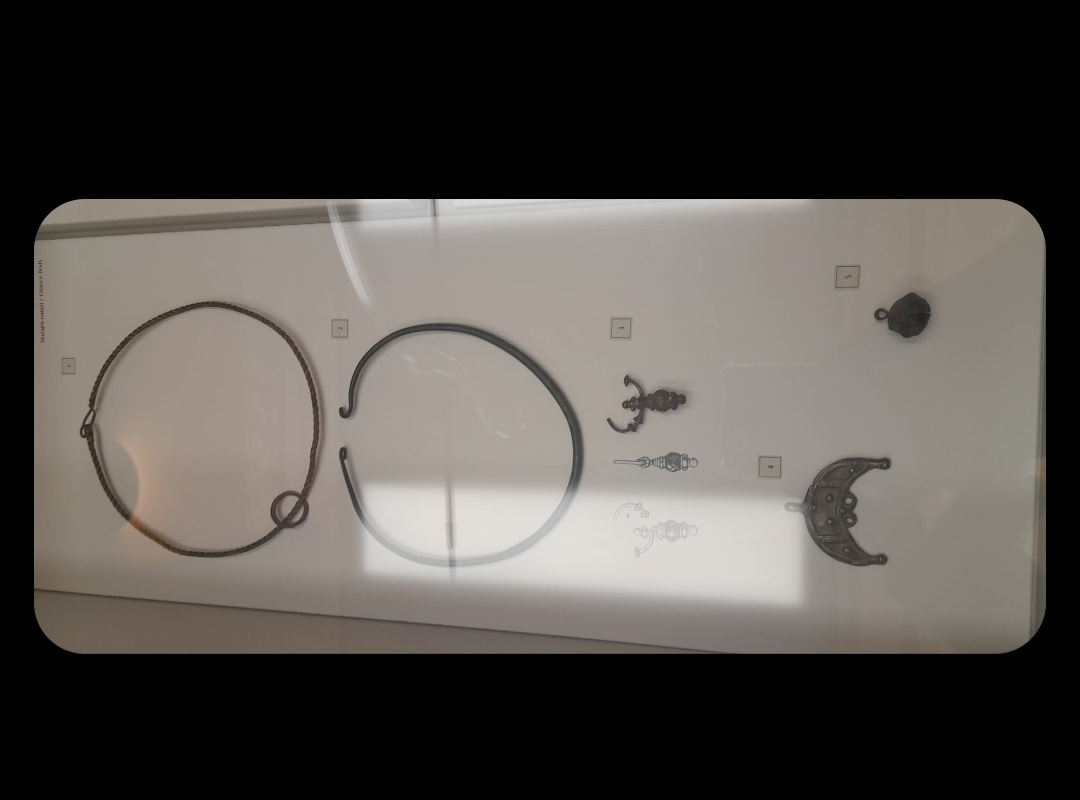
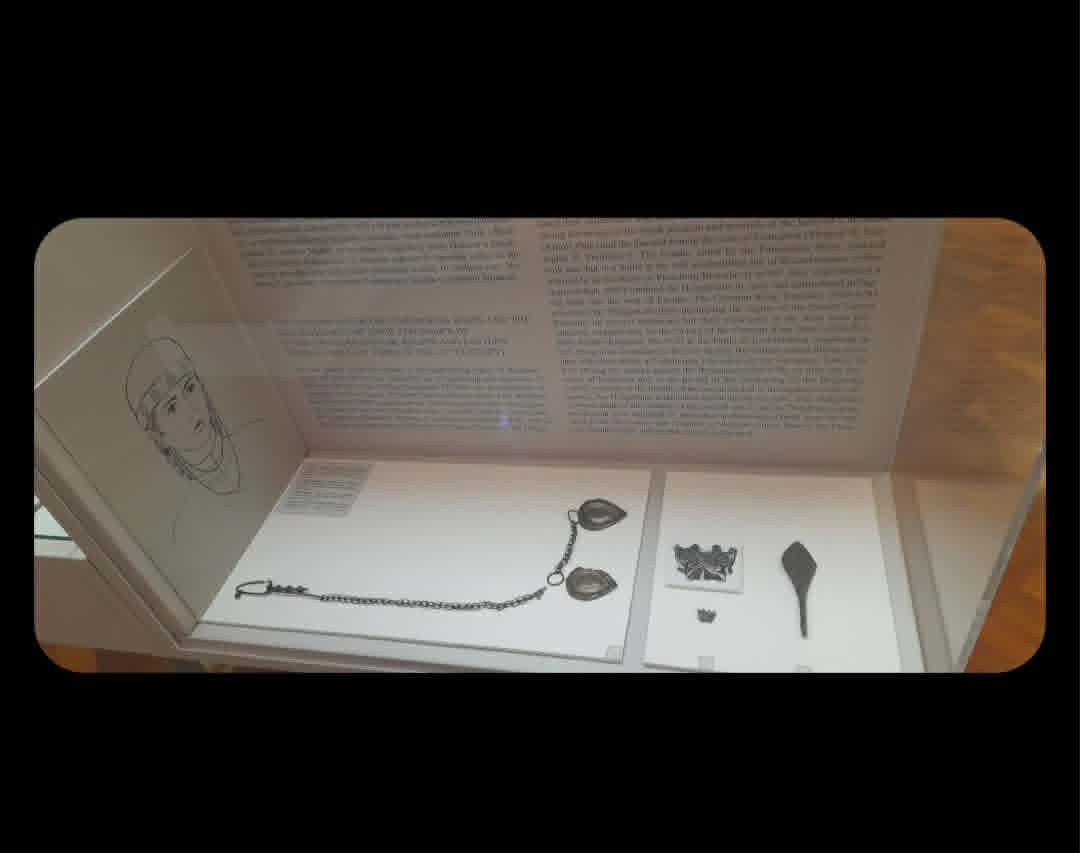
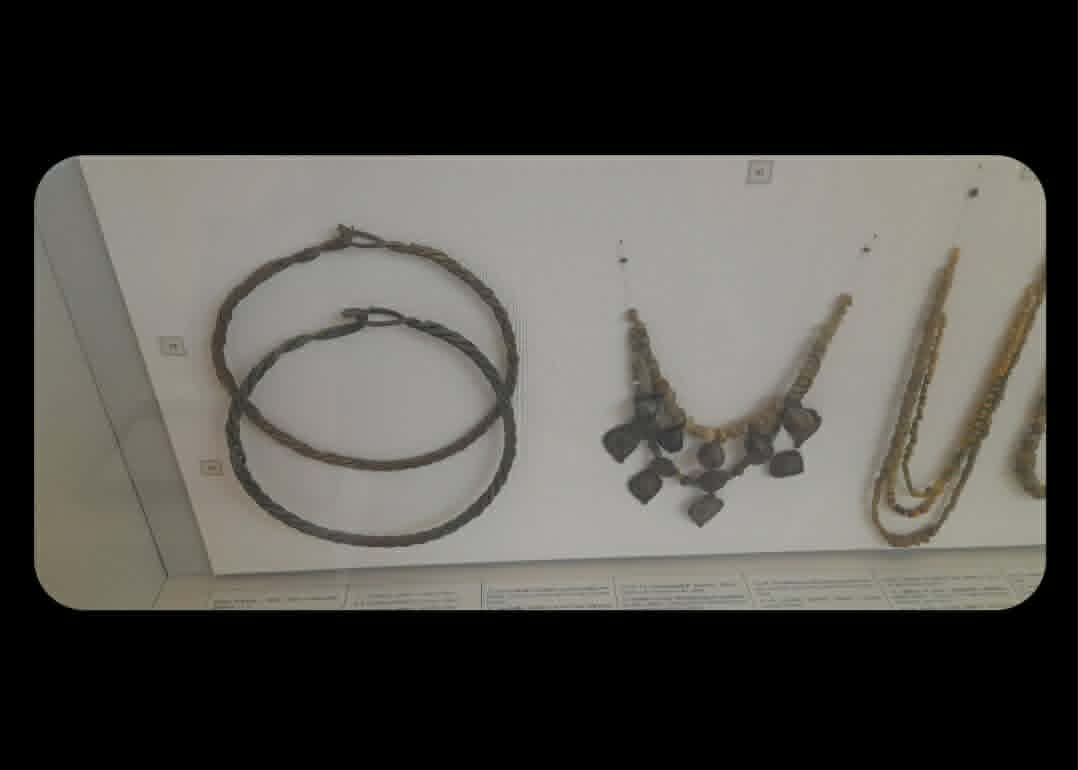
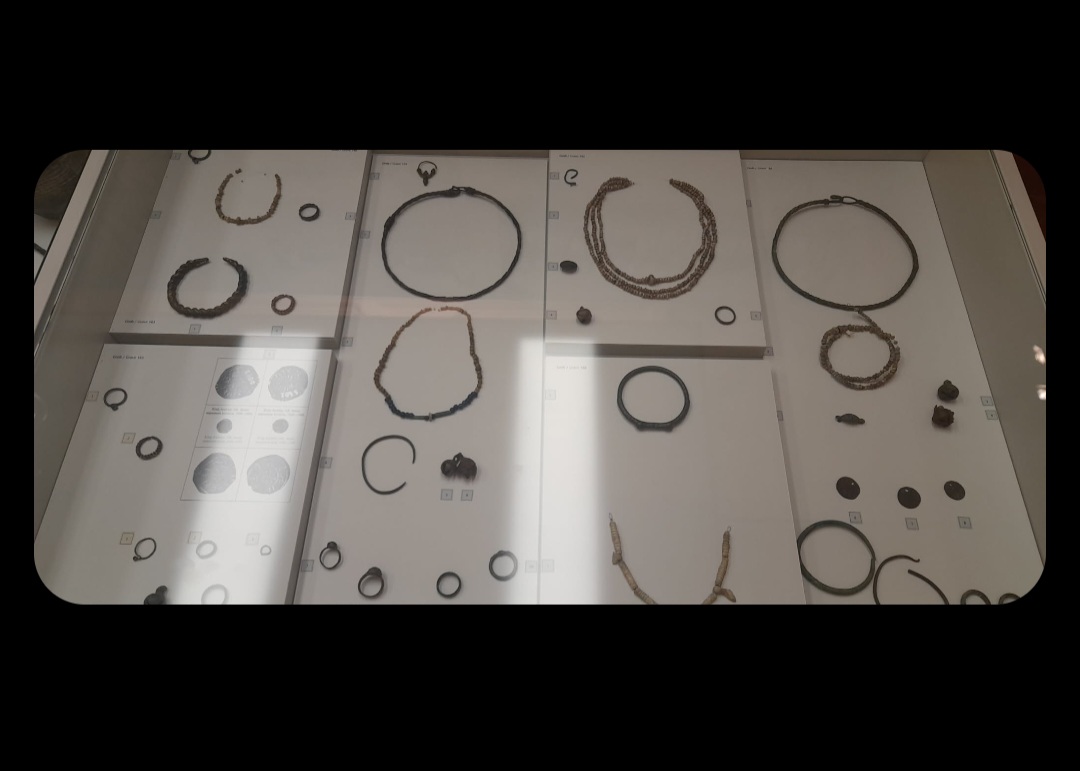
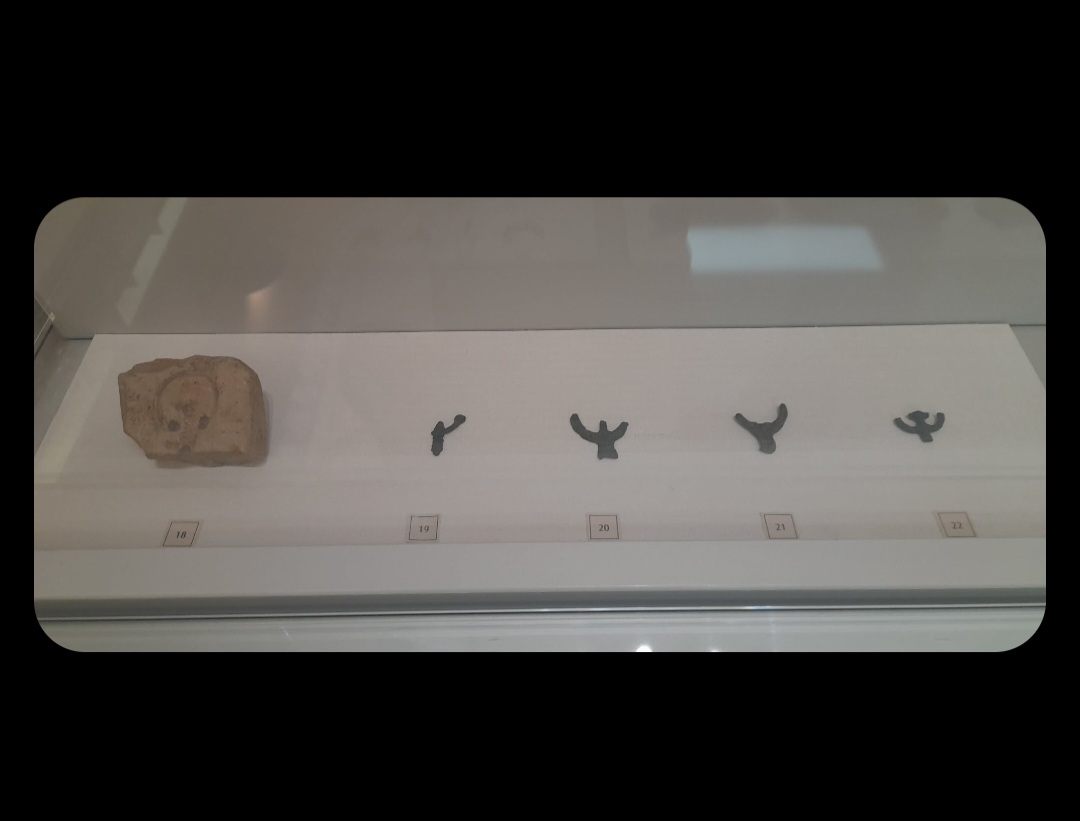
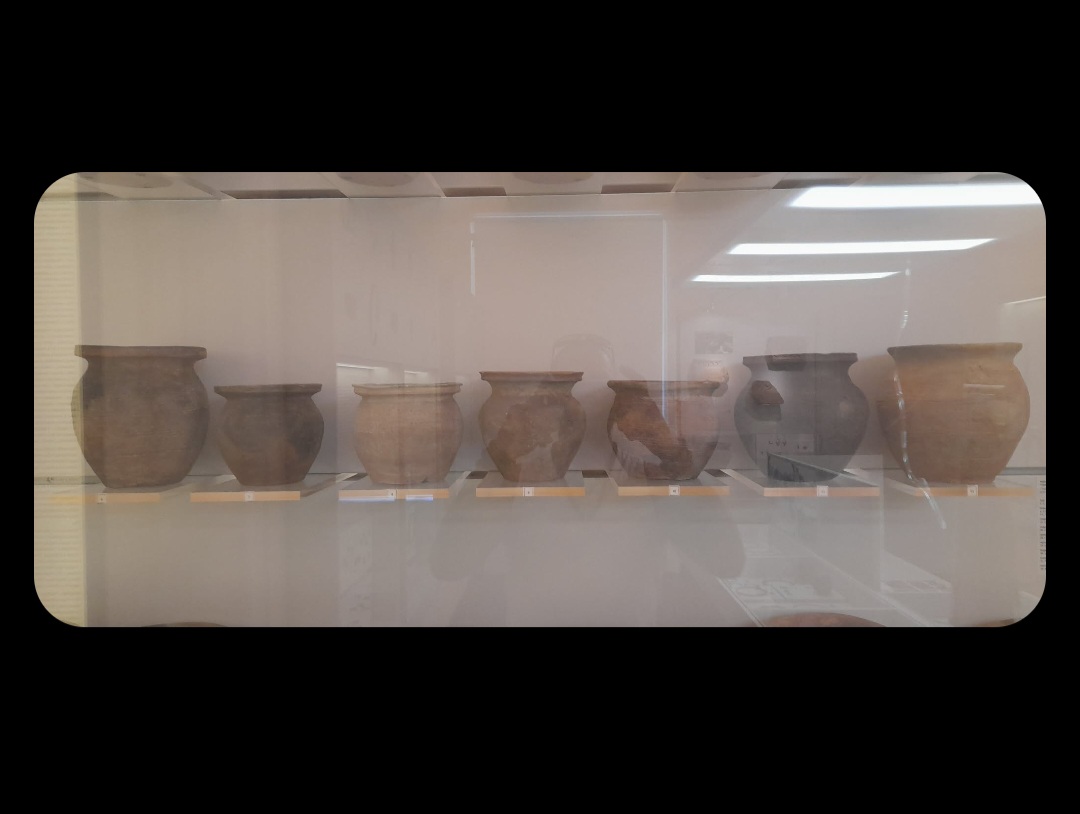
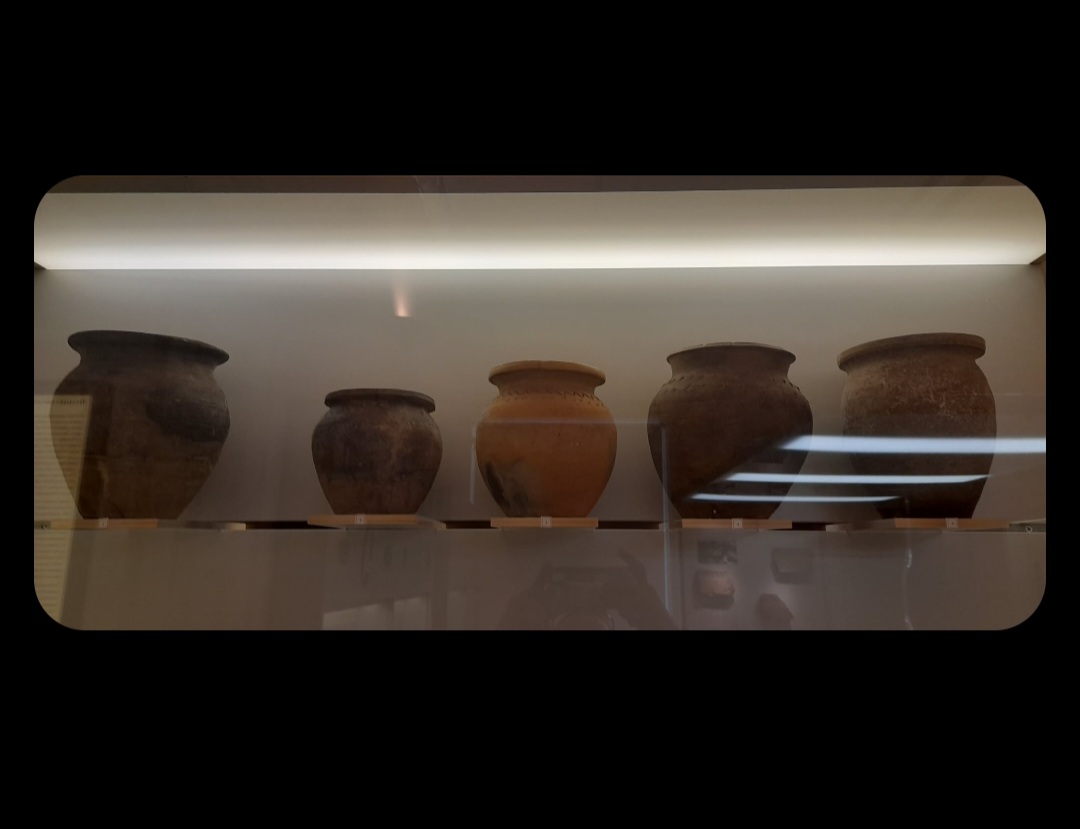
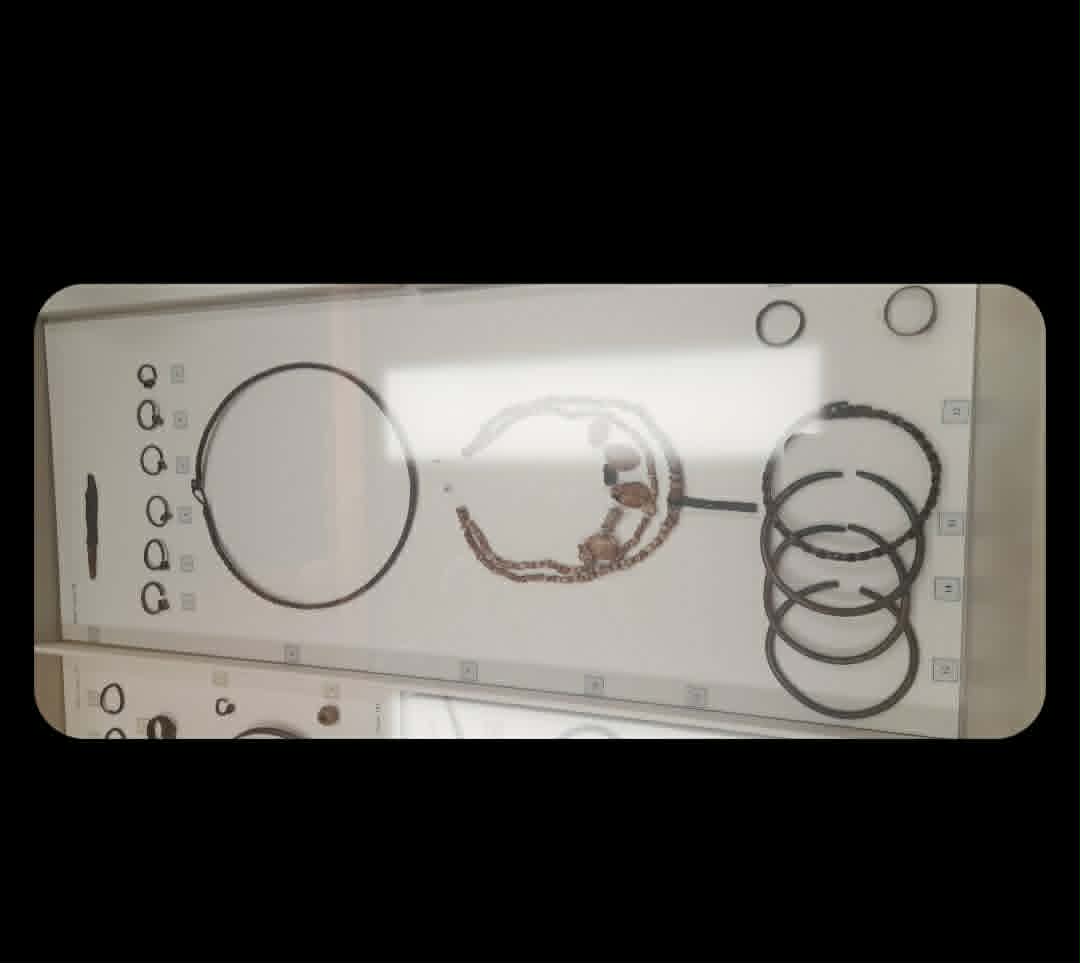
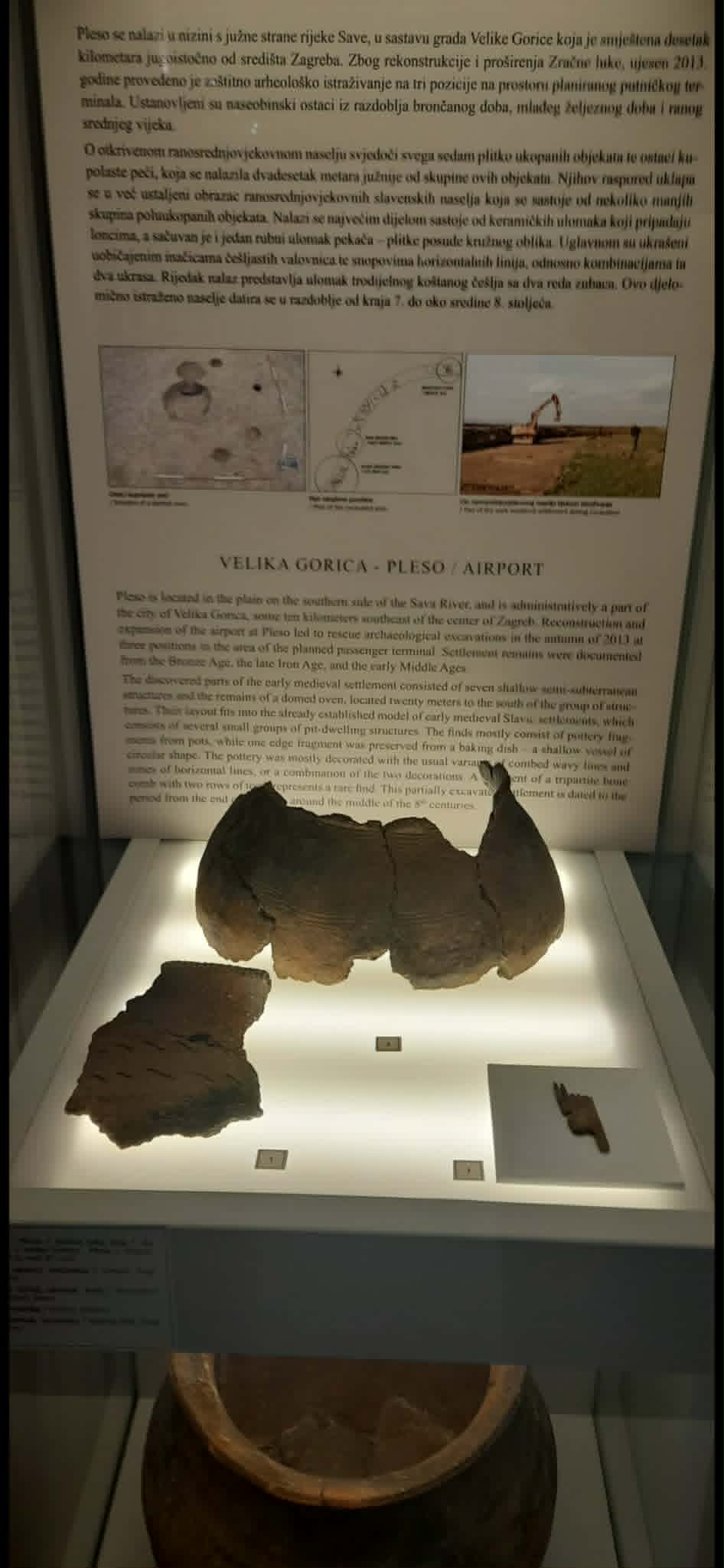
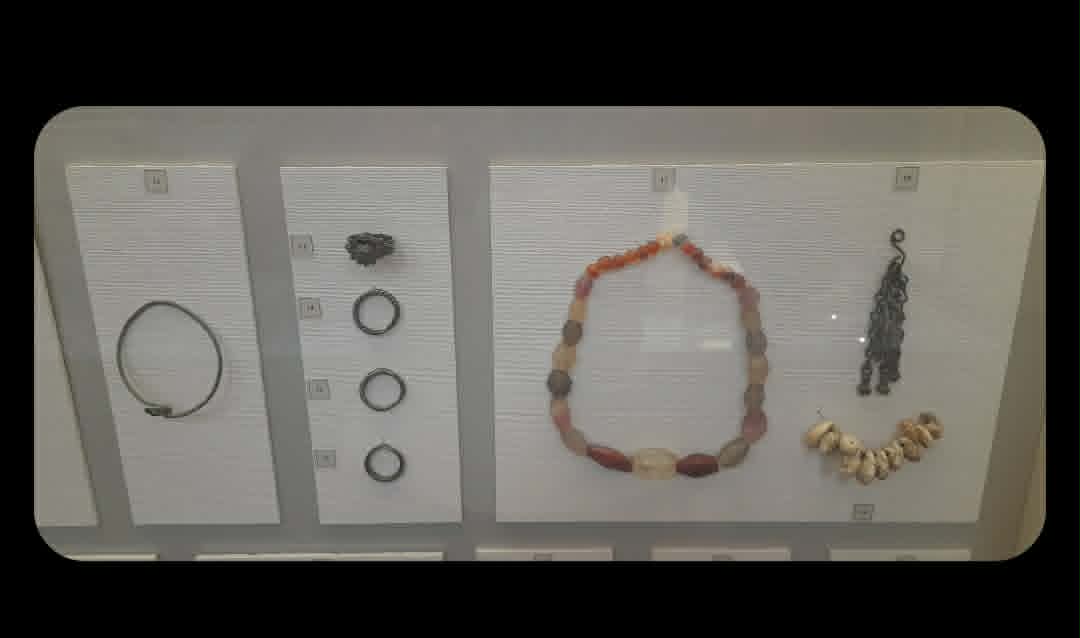
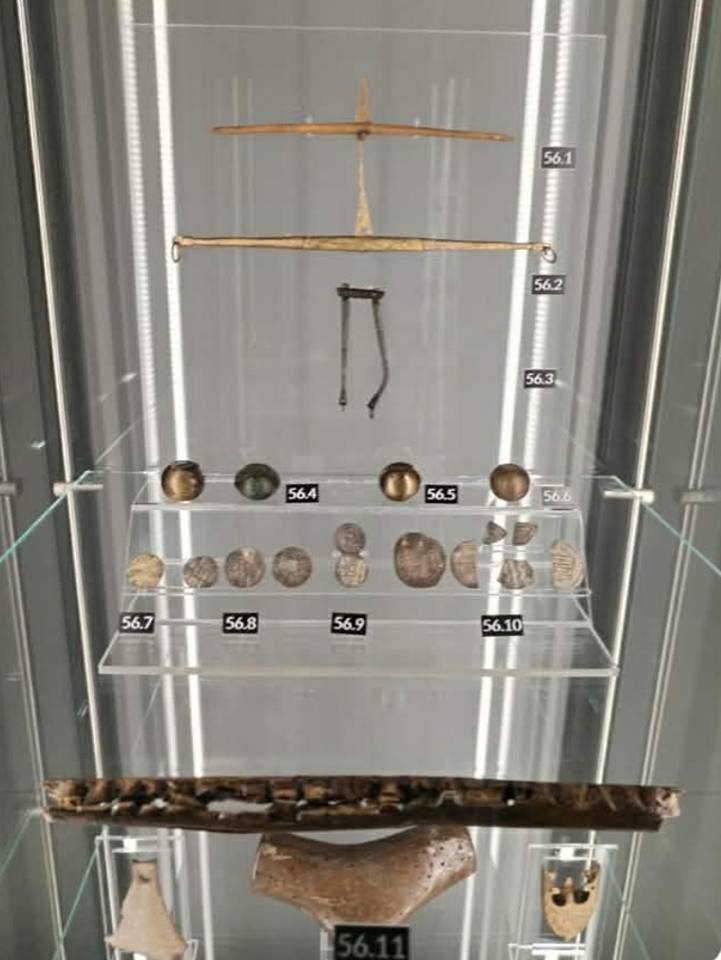
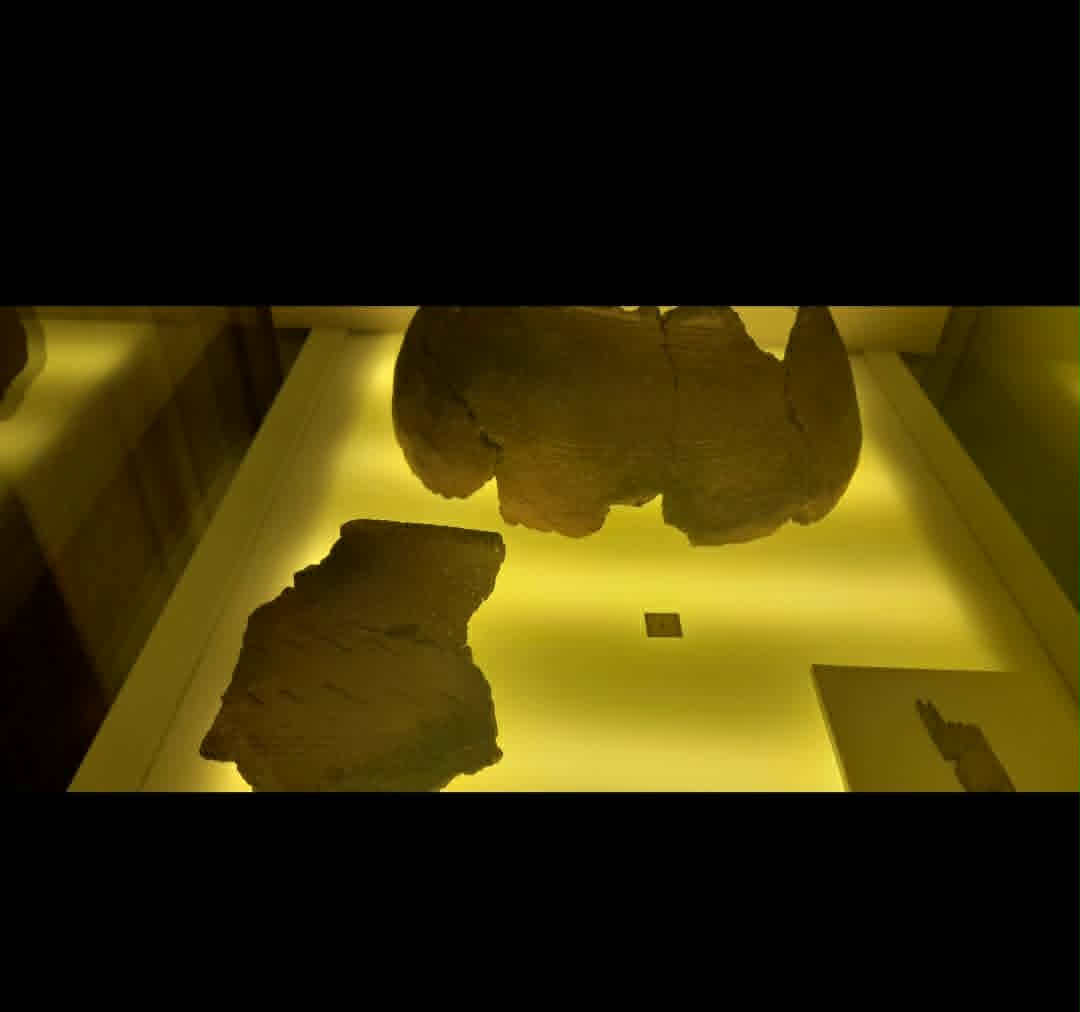
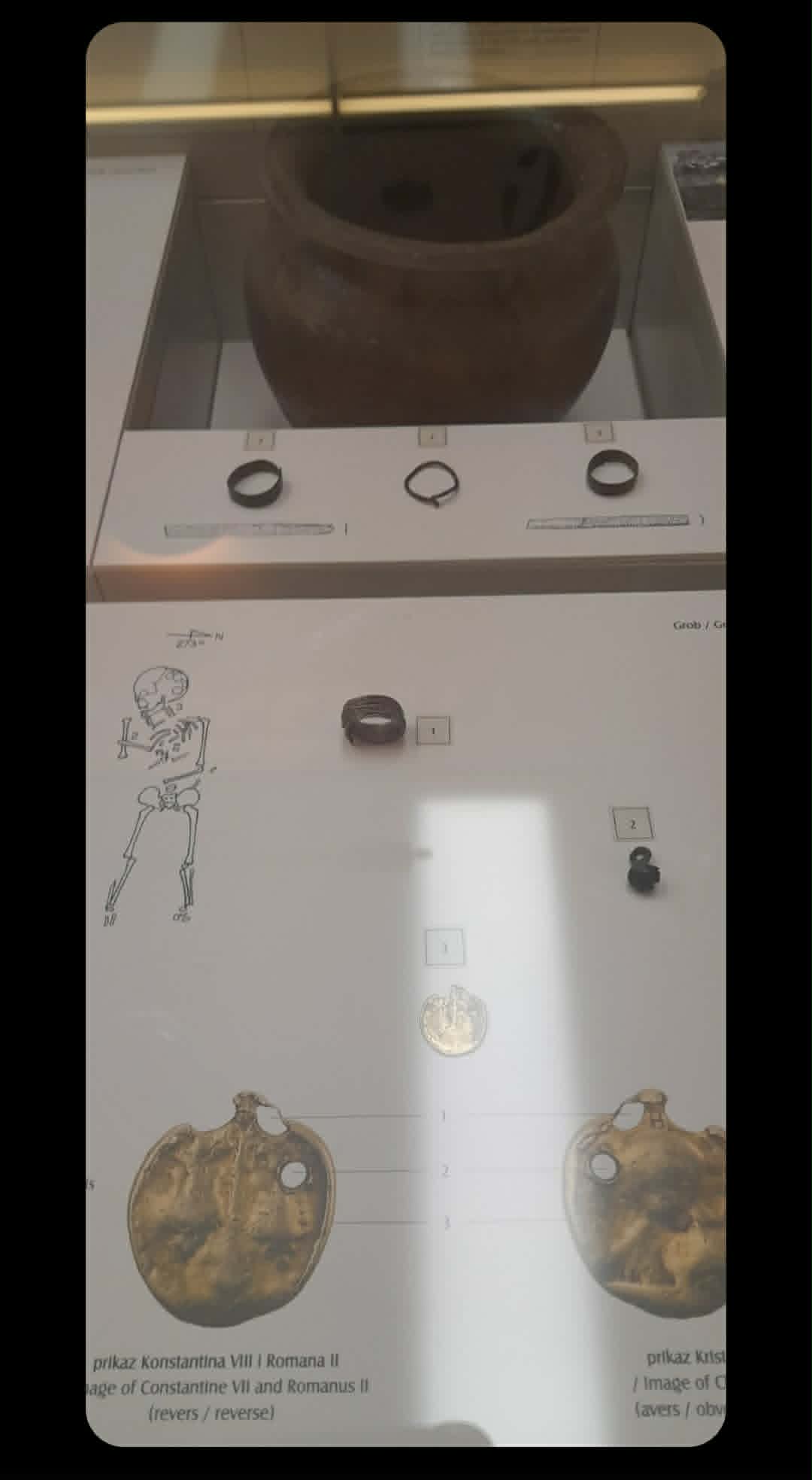
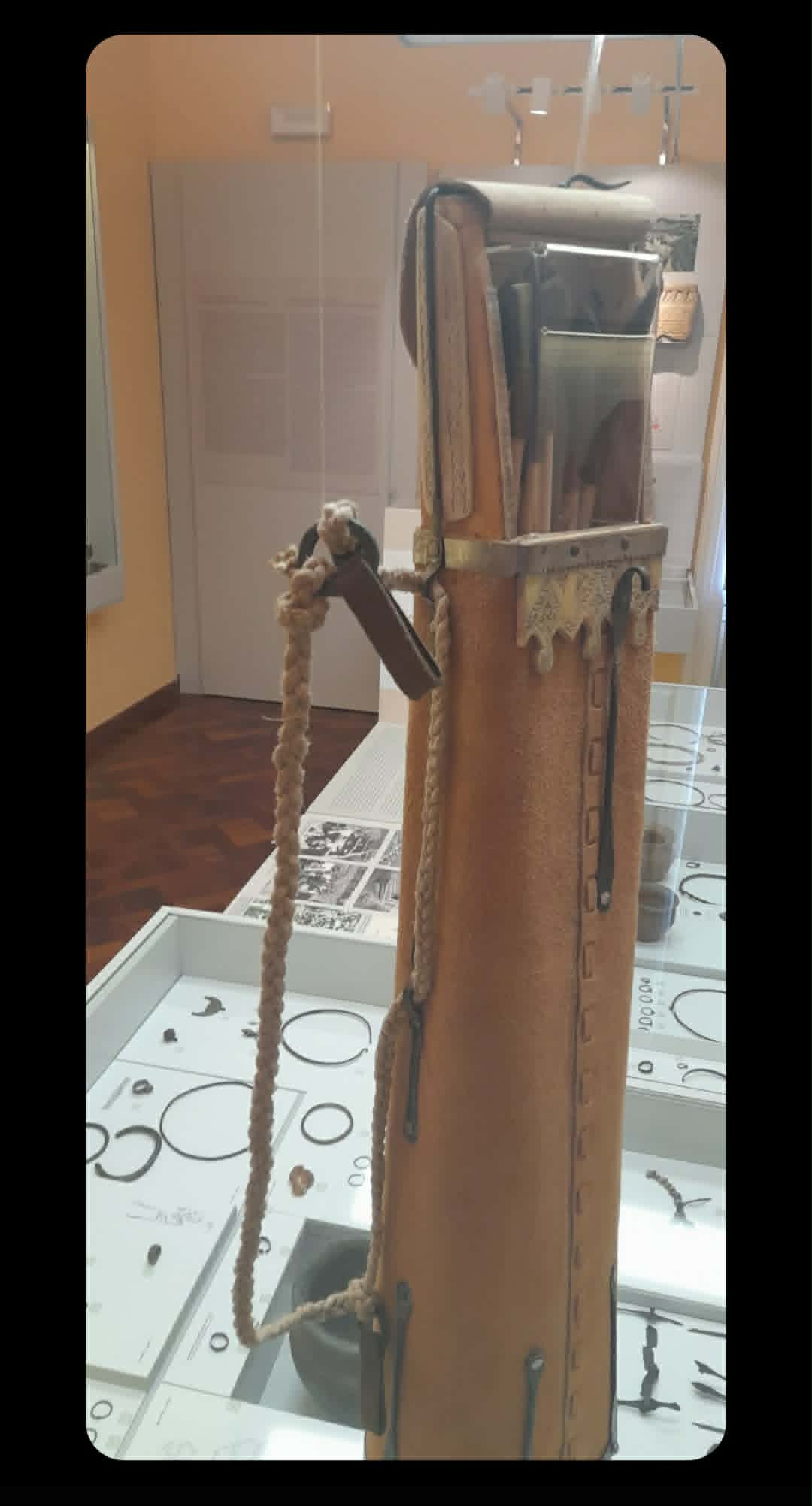
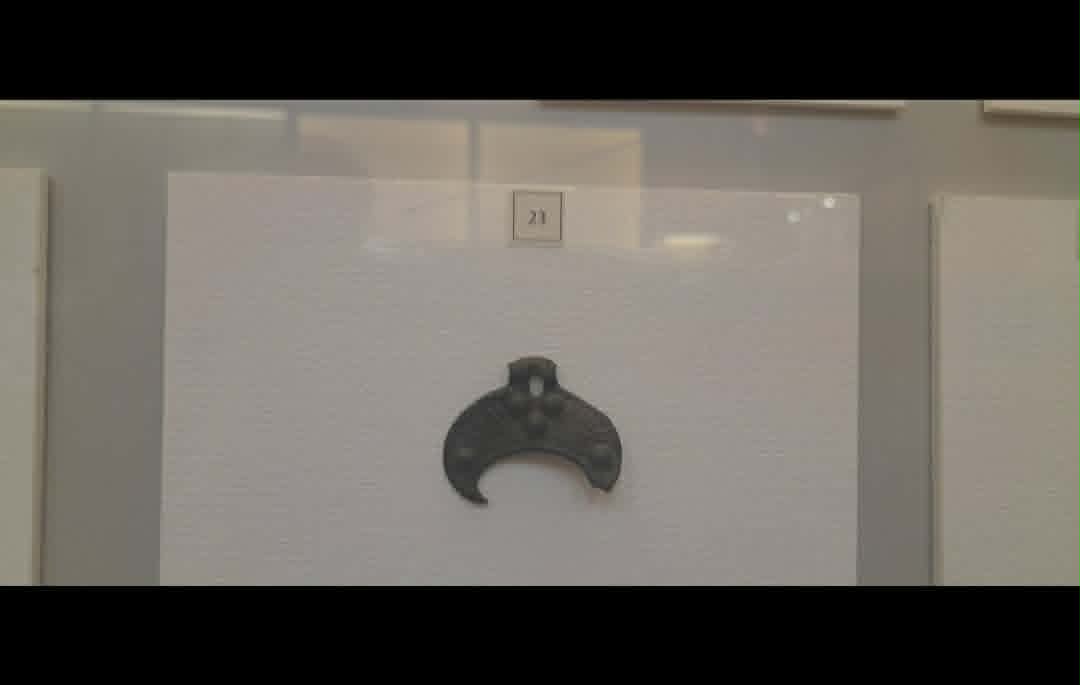
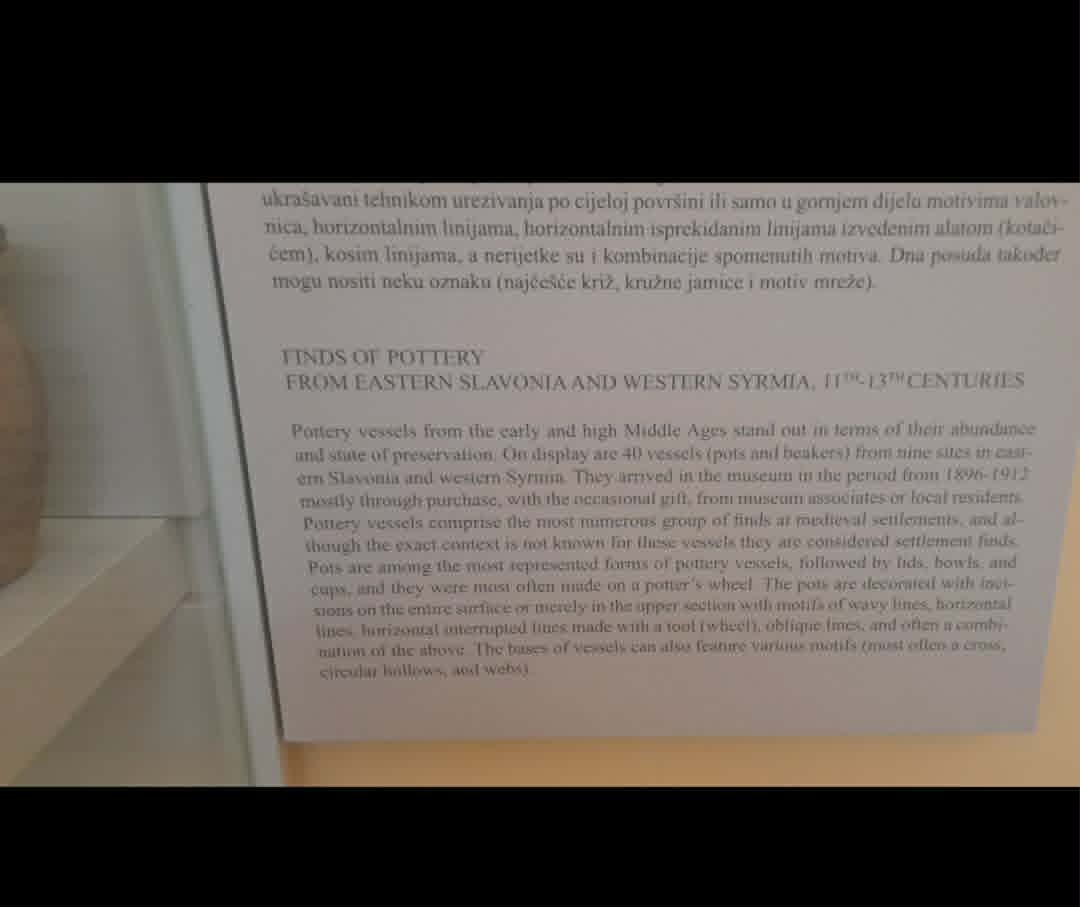
-One can admire splendid artifacts unearthed from ancient tombs and villages: jewelry, weapons, pottery, everyday objects, and ritual symbols.
Each piece tells a story, each fragment whispers of the presence of a people who settled on these lands more than a millennium ago.
-This region of Europe, shaped by Slavic domination and influence, reveals here striking evidence of their settlements, their mastery of craftsmanship, and the richness of their culture.
These objects are not mere relics: they bear witness to the profound connection between the Slavs and the Croatian people, whose identity was partly built upon this ancient heritage.
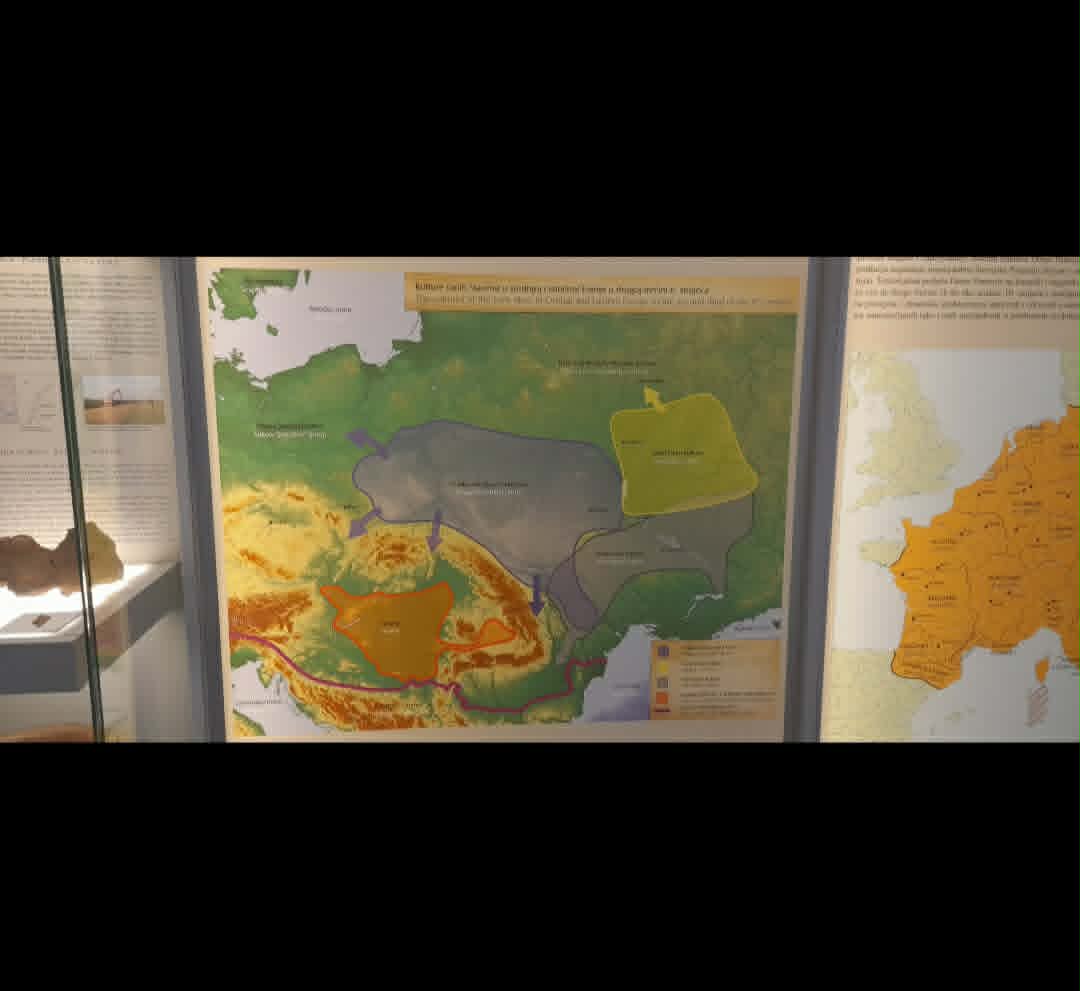
-Official history tells us that the Slavs arrived in the region of present-day Croatia between the 6th and 7th centuries, during the major population movements that followed the collapse of the Western Roman Empire. They gradually settled in the lands formerly occupied by the Illyrians, the Romans, and the Romanized populations of Dalmatia.
–The First Movements (6th Century)
-The Slavs, coming from the regions north of the Carpathians, began moving south towards the Balkans. They crossed the Danube and settled in the plains, valleys, and rural areas left largely depopulated after previous wars and invasions.
–Permanent Settlement (7th Century)
-By the 7th century, the Slavs had established themselves permanently in inland Dalmatia, Slavonia, Lika, Bosnia, and the Croatian mountains. They founded villages, cultivated the land, raised livestock, and introduced their customs, rituals, symbols, and tribal organization.
–The Birth of the Croats (7th–8th centuries)
-Among these Slavic groups, certain clans—the Hrvati—gained particular importance. They gave their name to the future Croatian people. The Croats thus formed as a local Slavic people, rooted in these lands, blending Slavic traditions with local influences.
Wieslaw J


Votre commentaire