
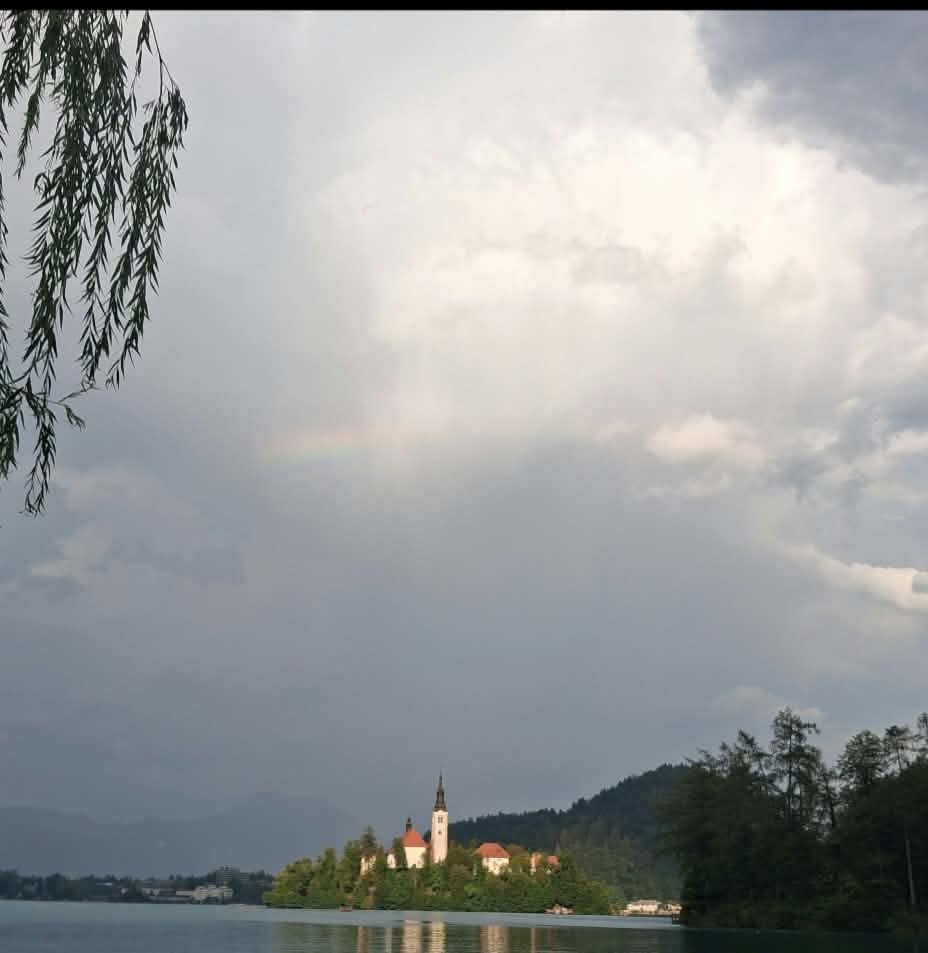
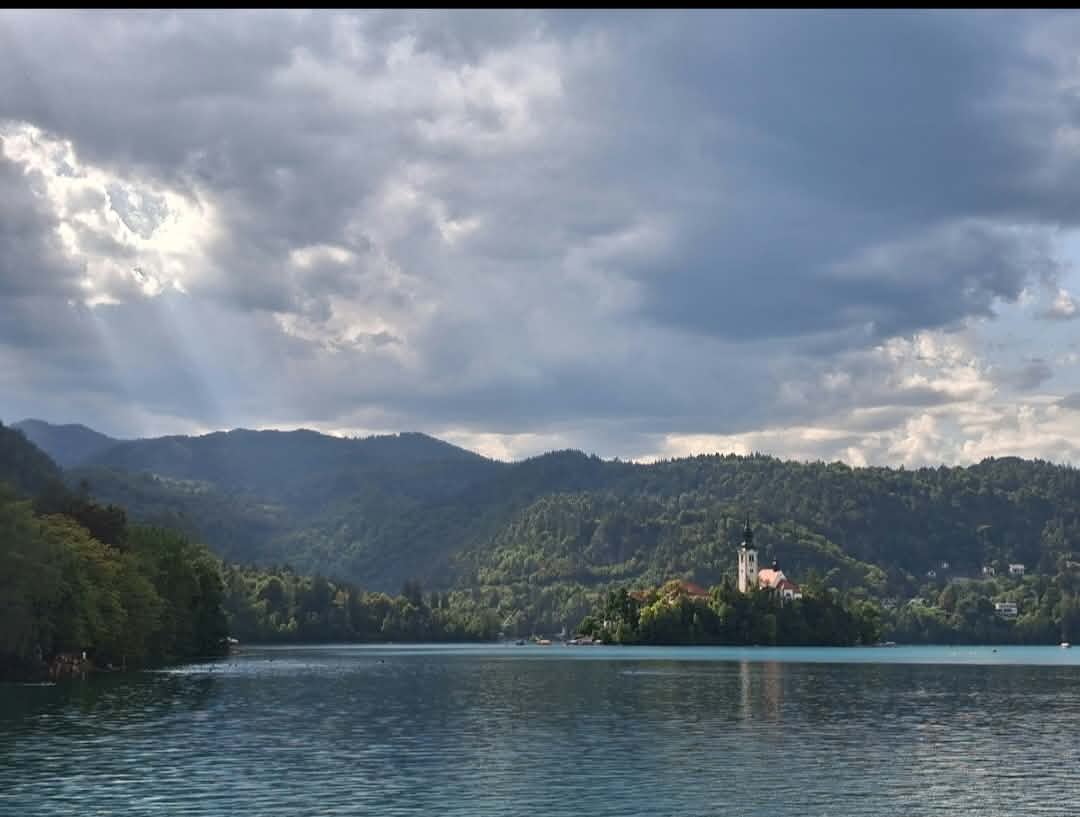
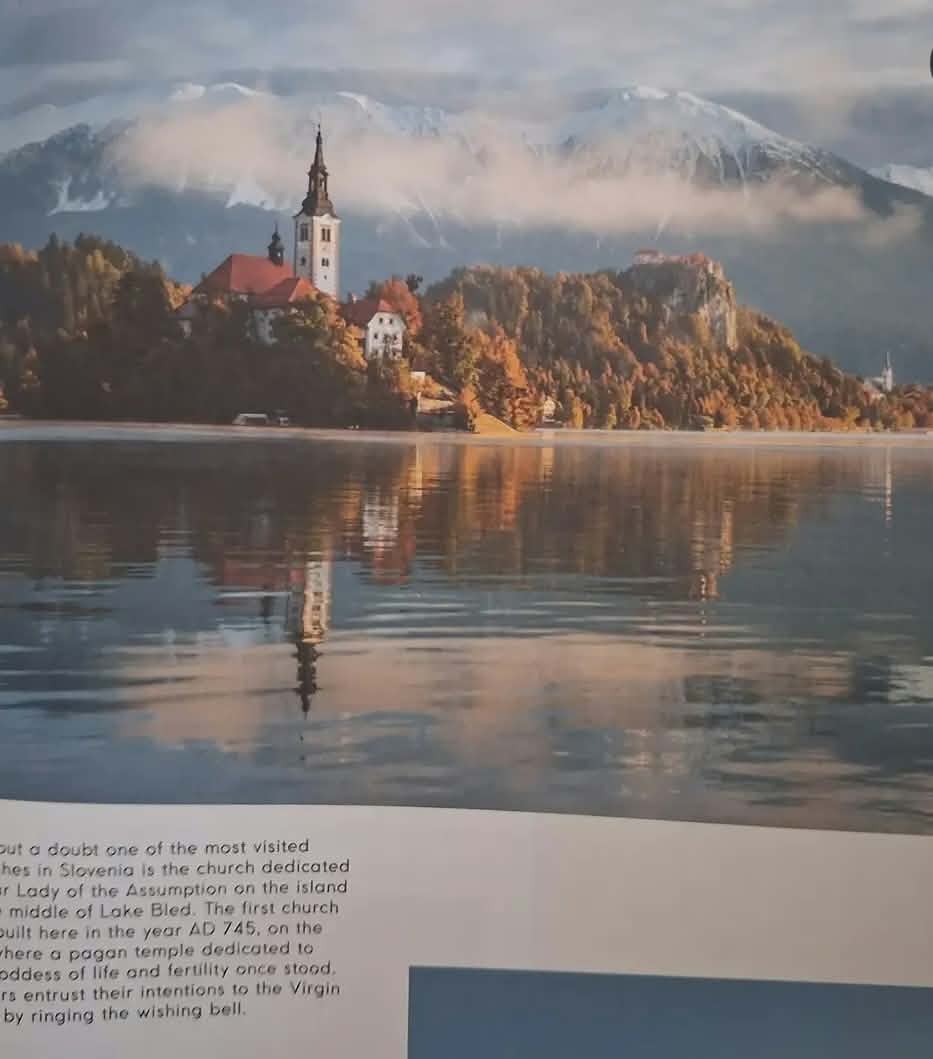
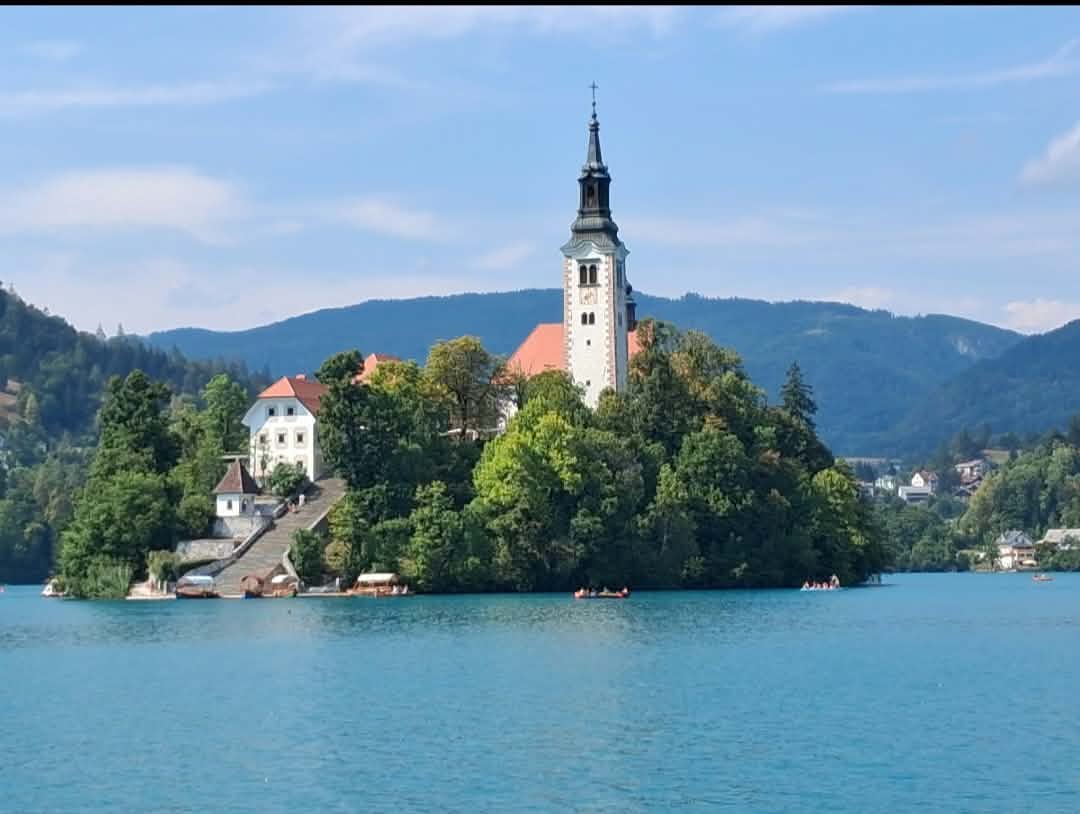
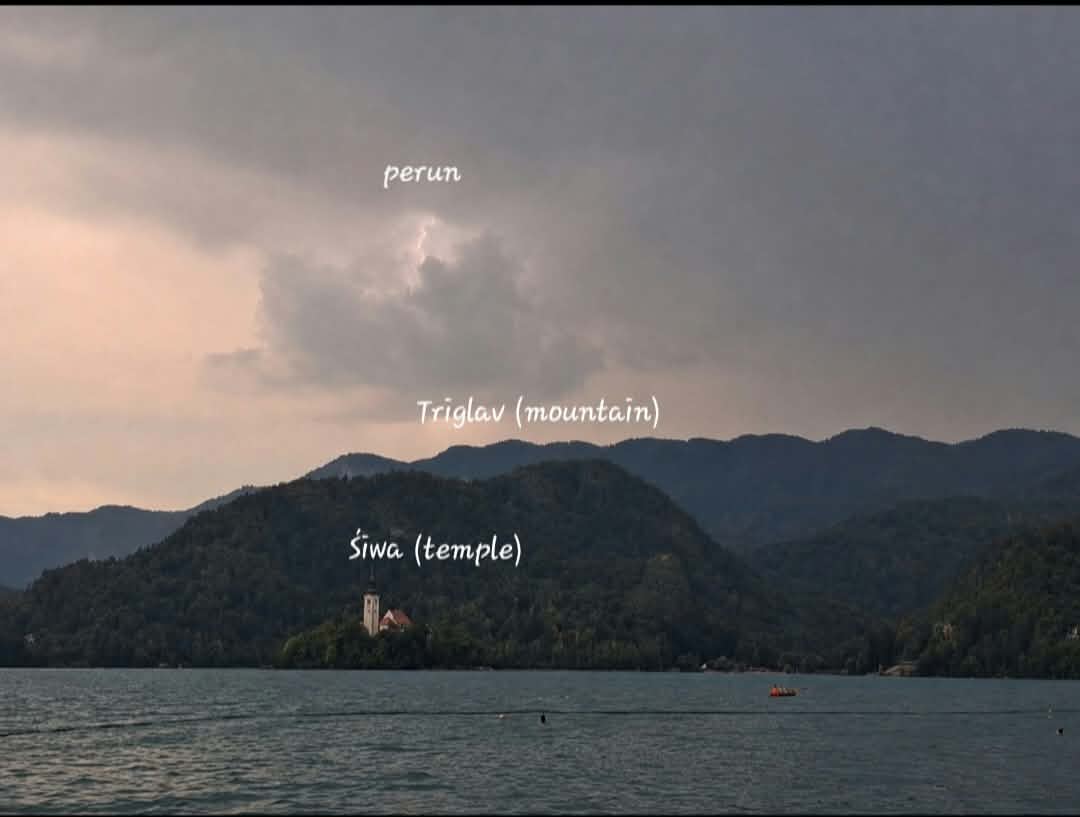
-On the island of Bled, in Slovenia, the sacred past seems to meet the present. According to local traditions and archeology, this holy place was once home to a pagan sanctuary dedicated to Siwa, the Slavic Goddess of life and fertility.
-It is said that the first christian church was built here around 745, on the site where the ancient pagan temple once stood. Long before the church bells rang across the lake, this island may have been a place of offerings, prayers, and reverence for the divine.
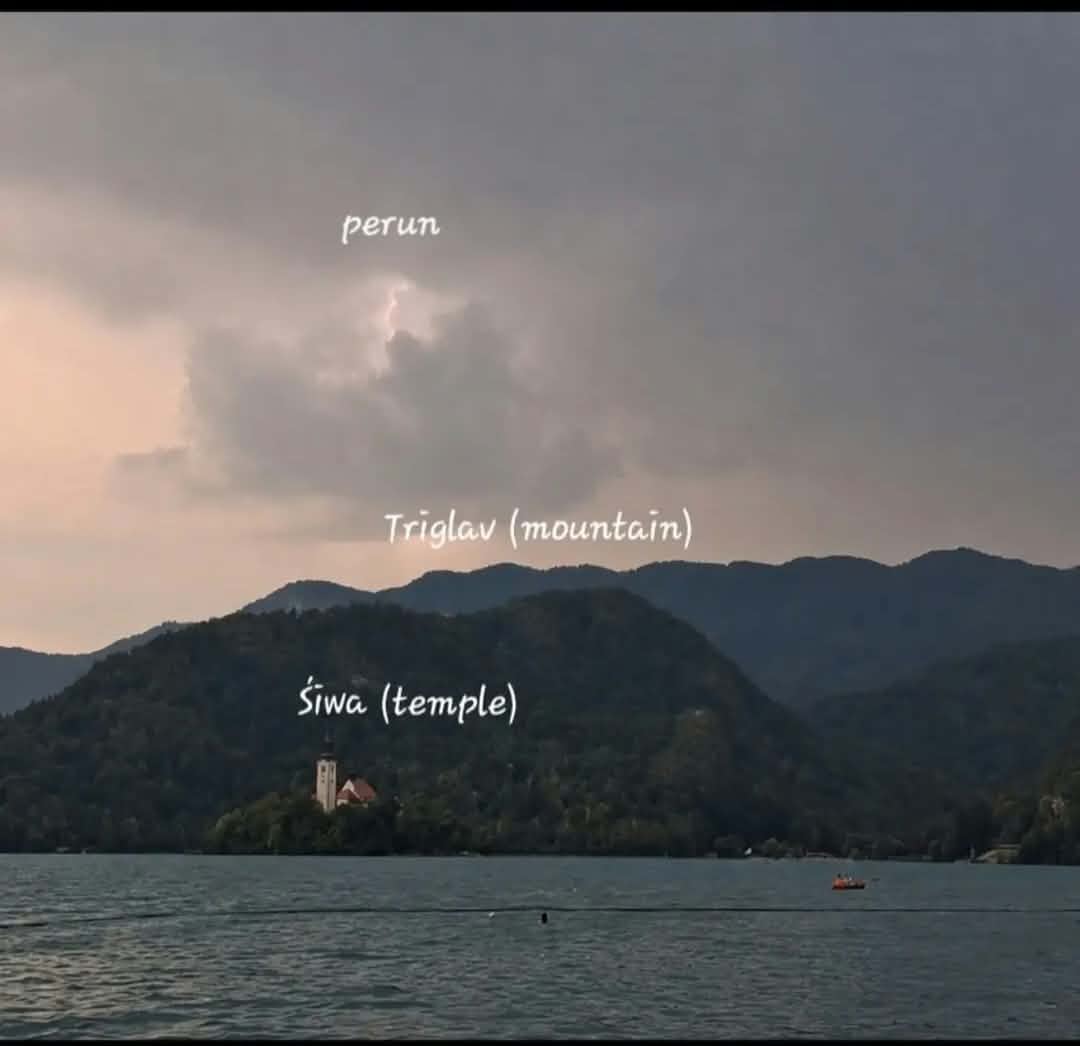
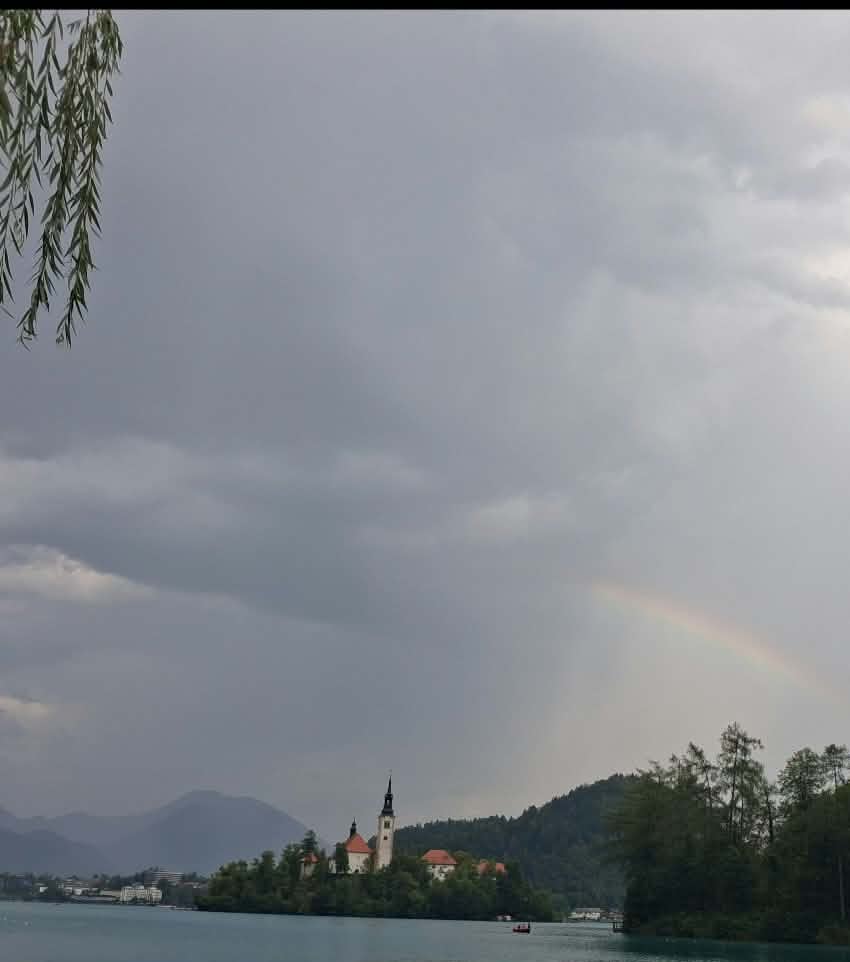
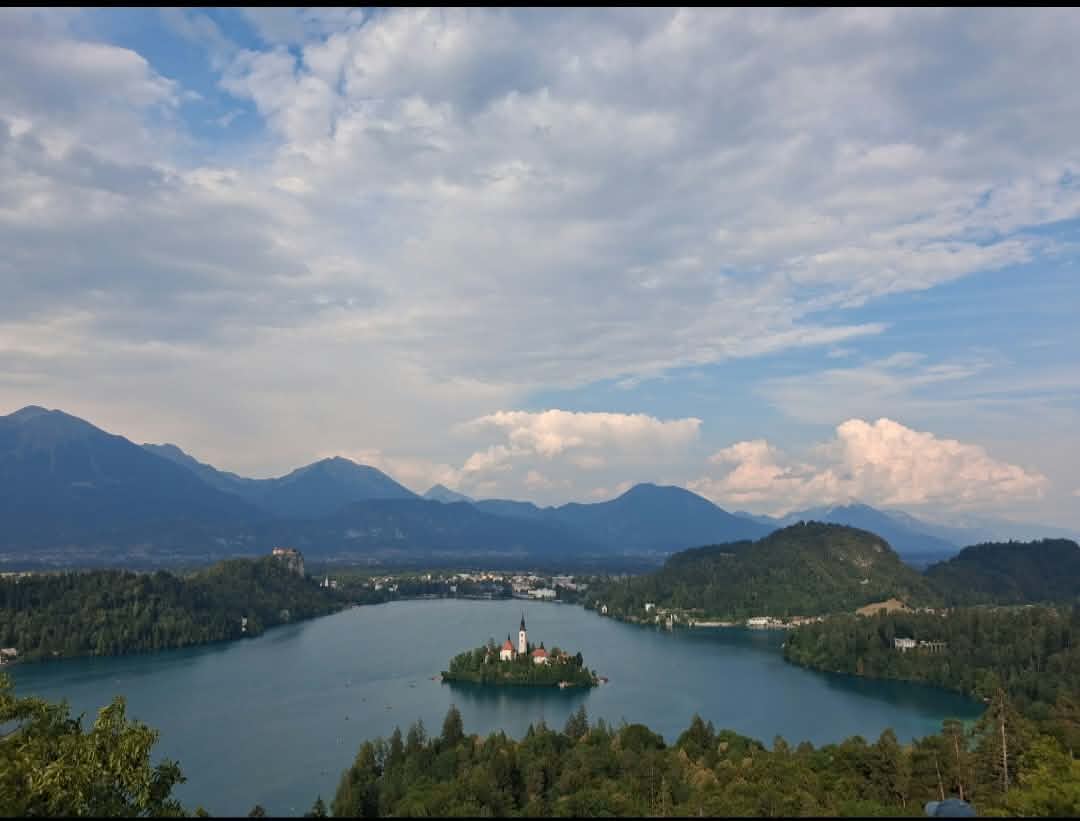
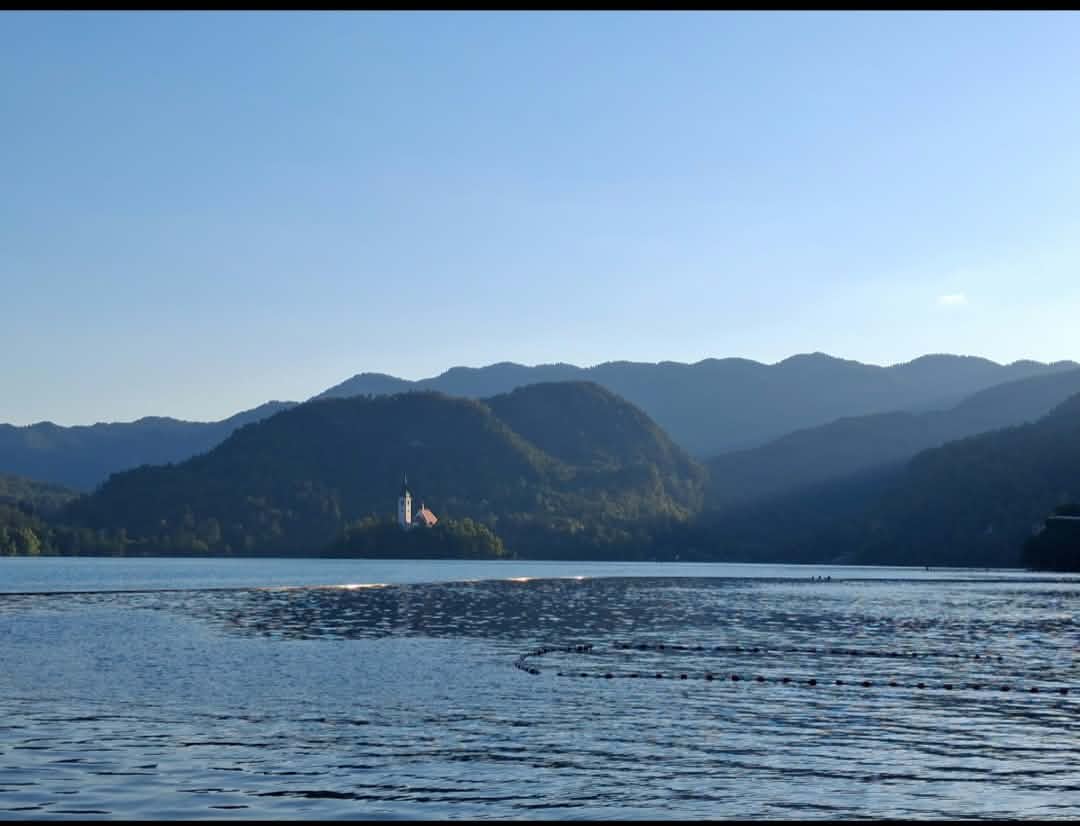
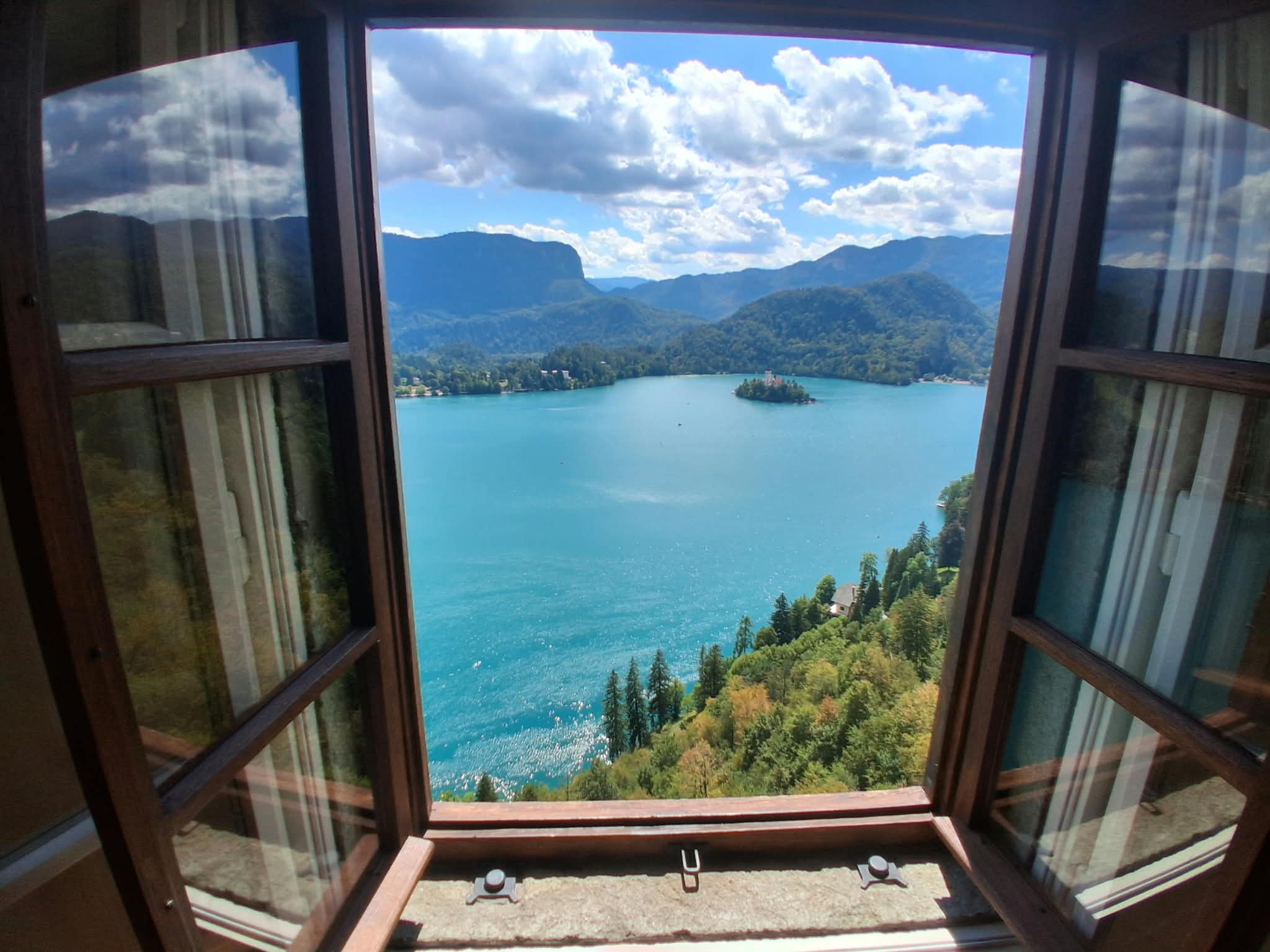
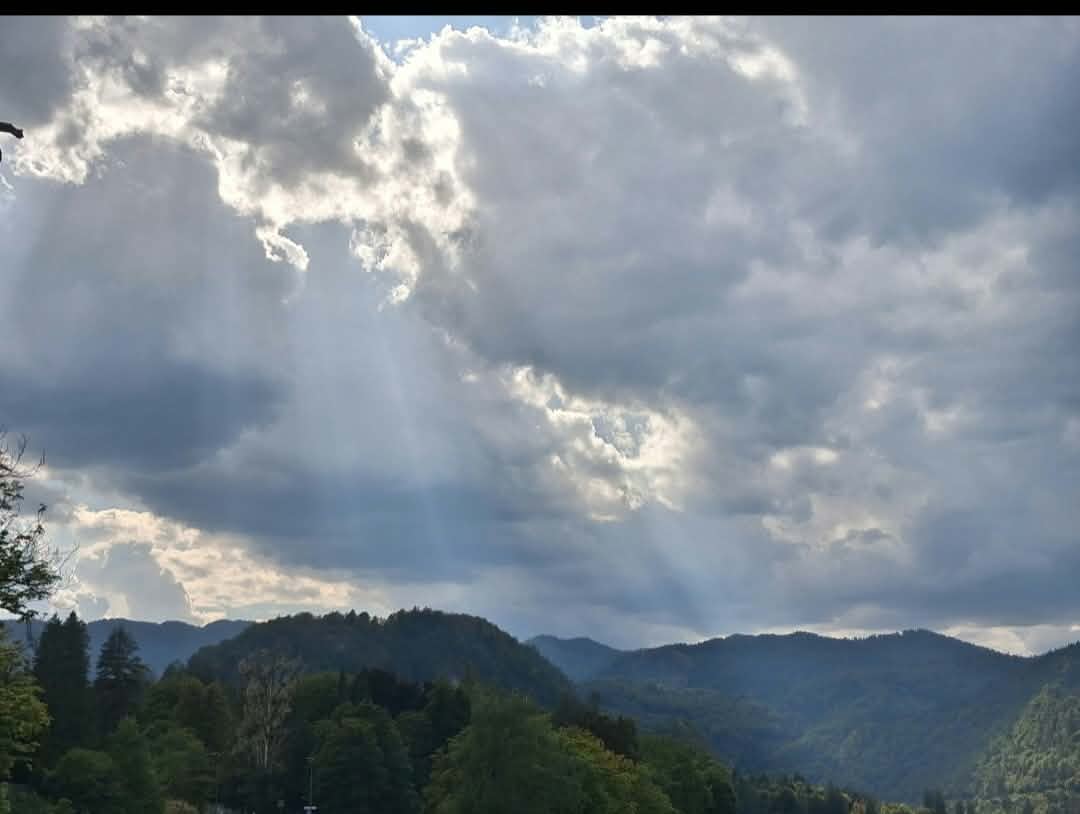
-Today, surrounded by the waters of Lake Bled and the sacred Triglav mountains beyond, the island remains a place of extraordinary spiritual atmosphere, a meeting point between ancient beliefs, sacred landscape, and living tradition.
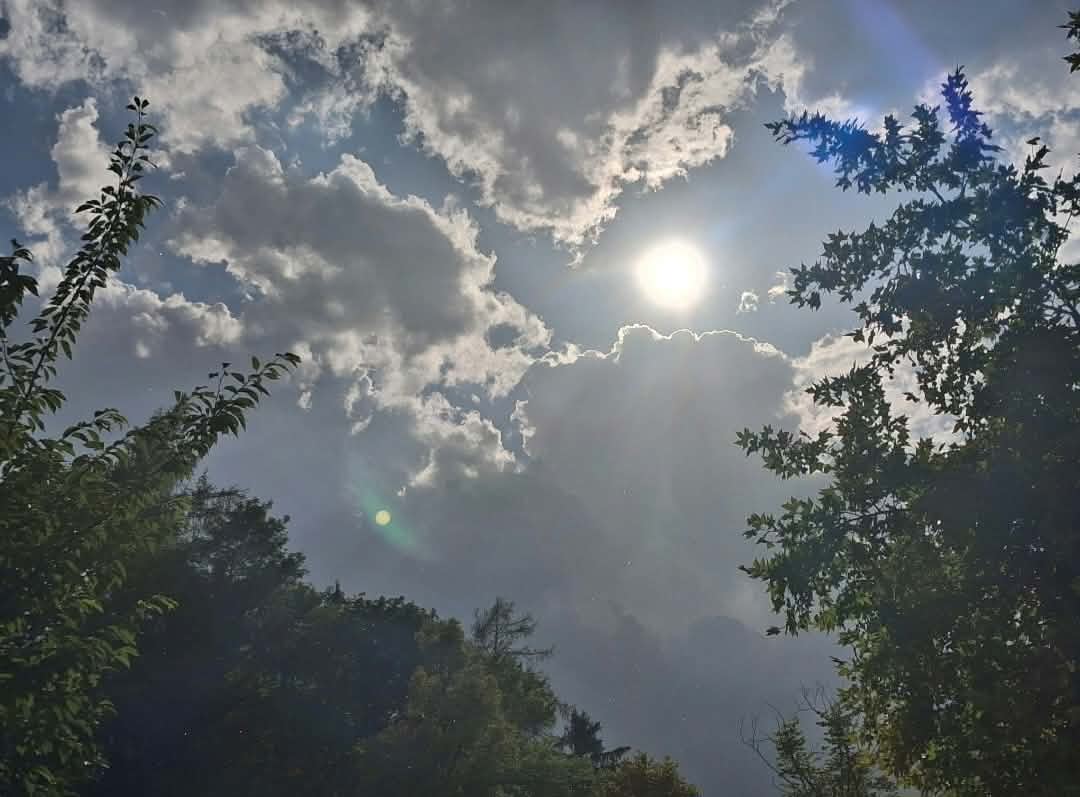
-When two Gods and one Goddess meet in a holy place at Bled, Slovenia, it is truly a sacred time.
-The archaeological investigations of the island were carried out in the 1960s, particularly between 1962 and 1965. These excavations made it possible to study the remains of the earliest christian structures, as well as an important early Medieval cemetery. A scientific reanalysis of these excavations was published in 2020 by the Research Centre of the Slovenian Academy of Sciences and Arts.
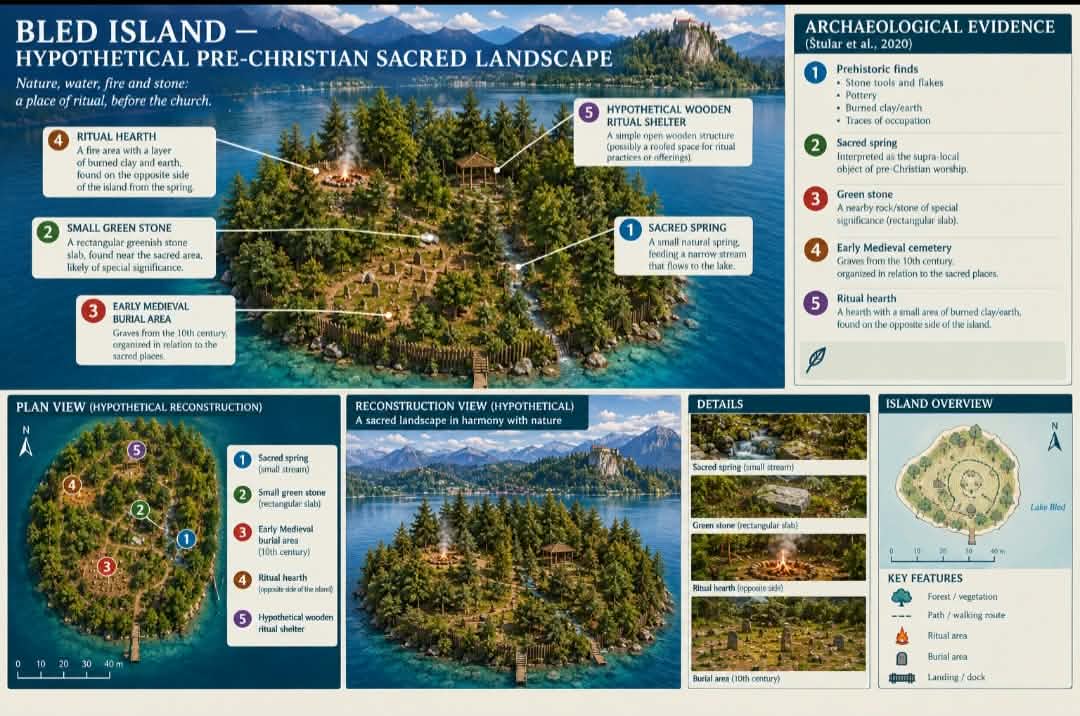
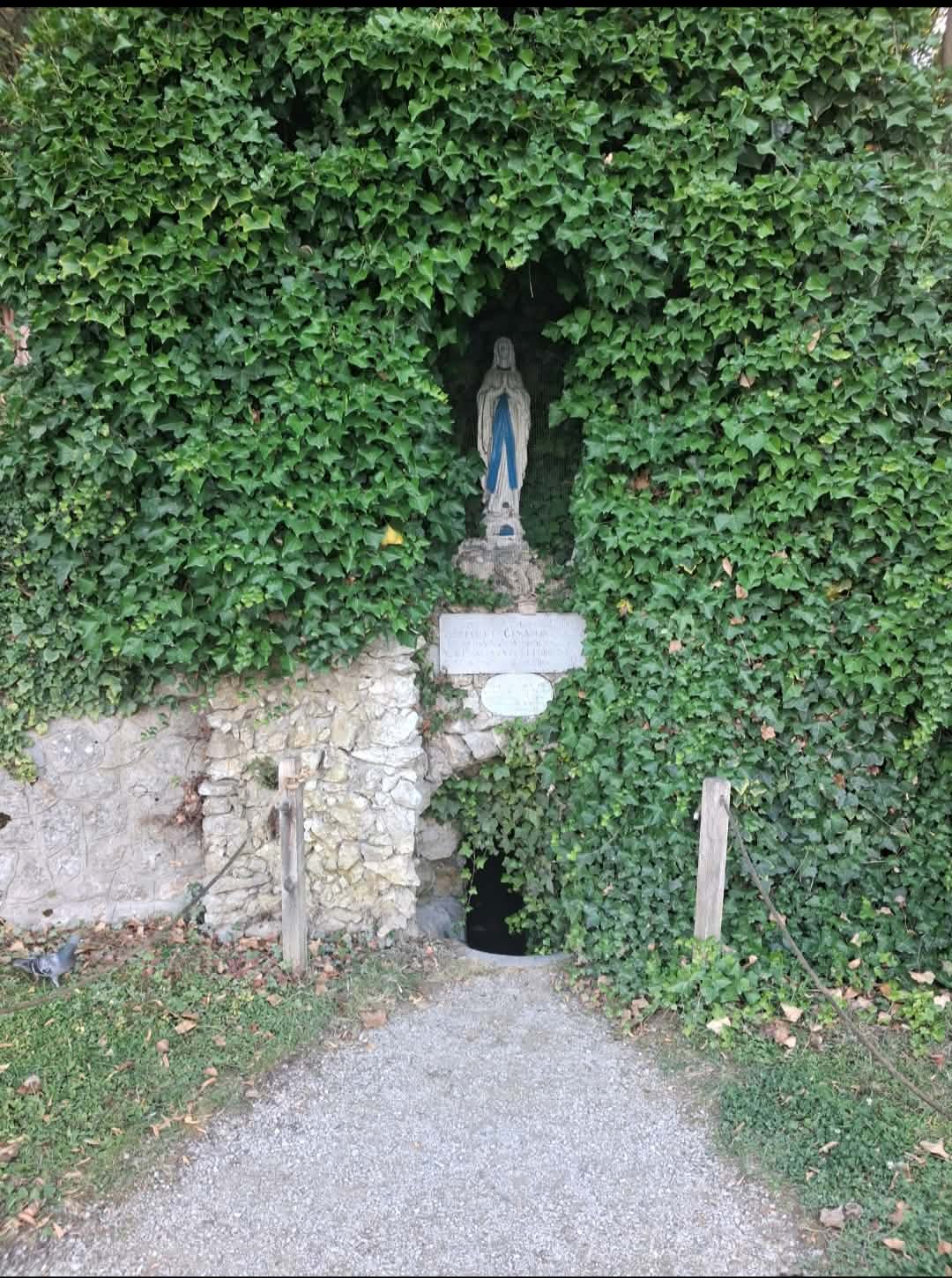
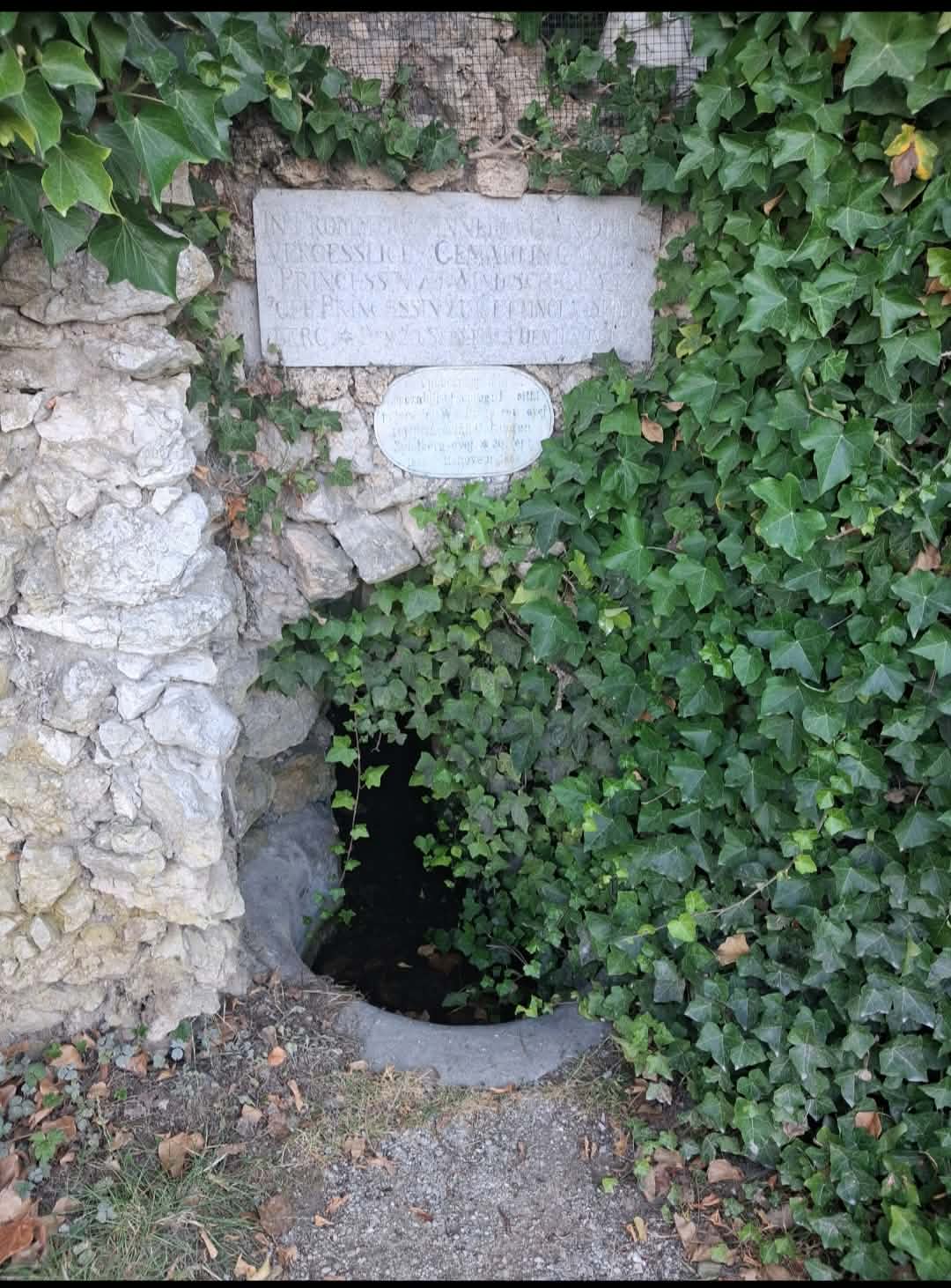
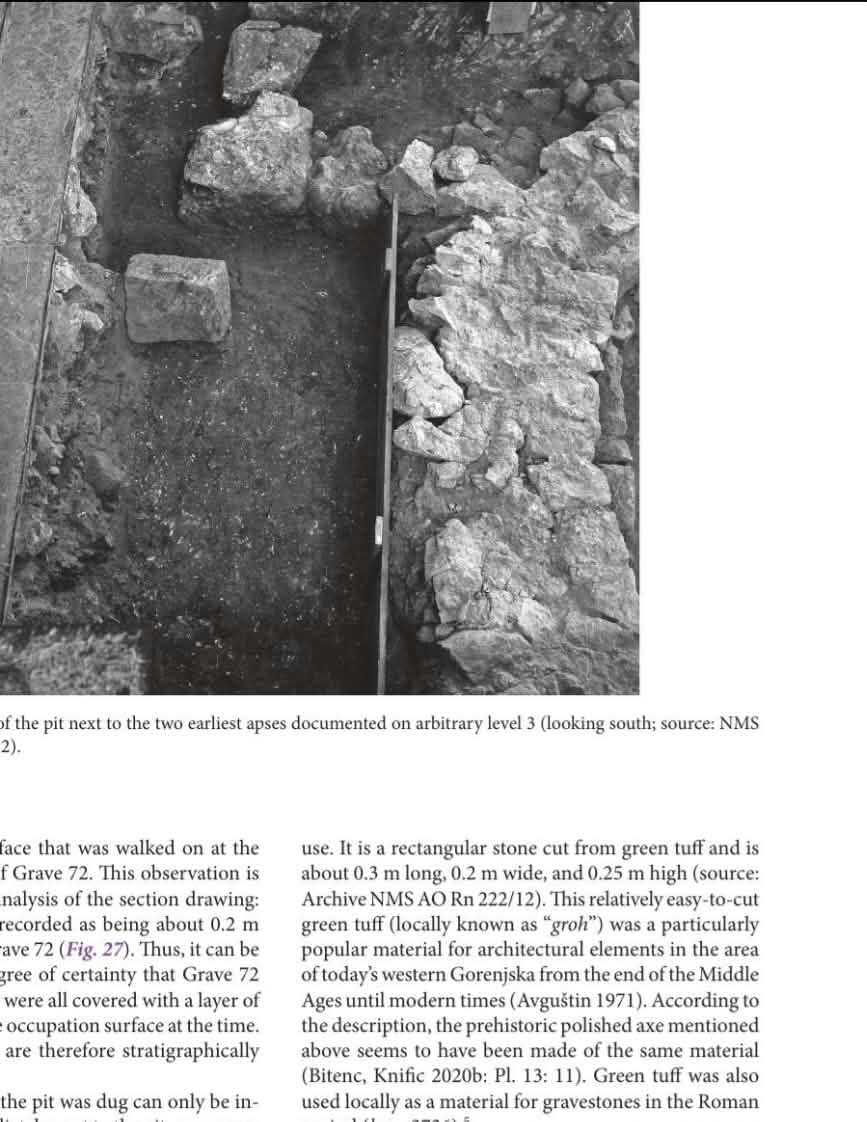
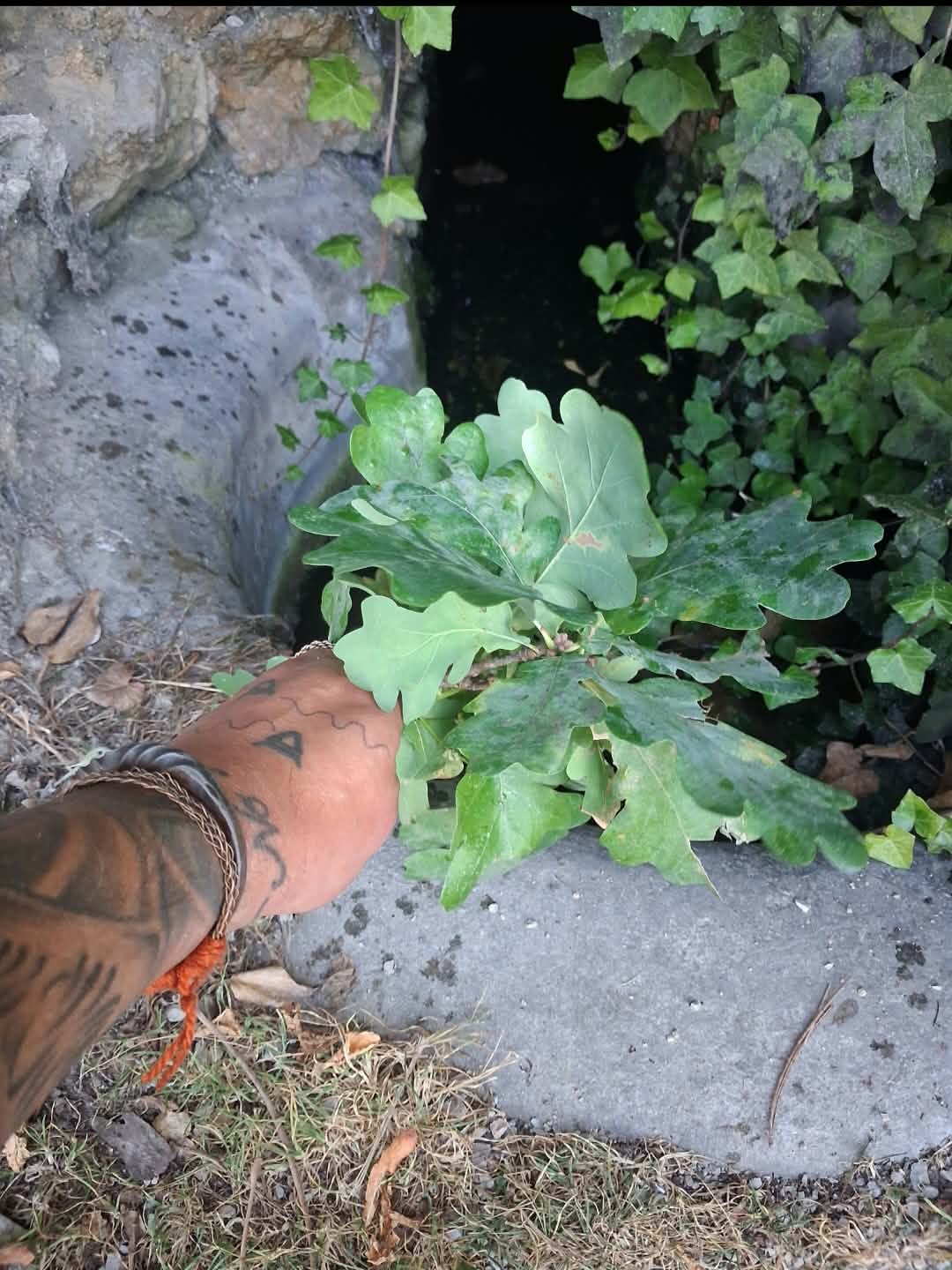
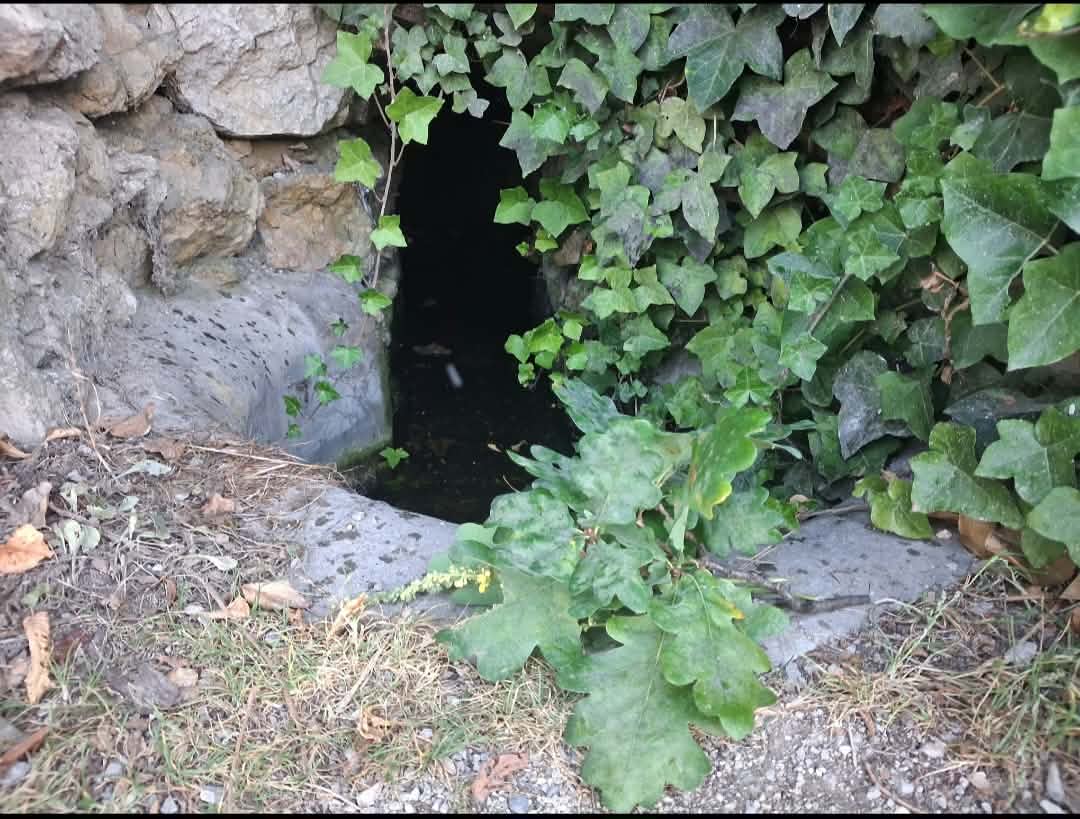
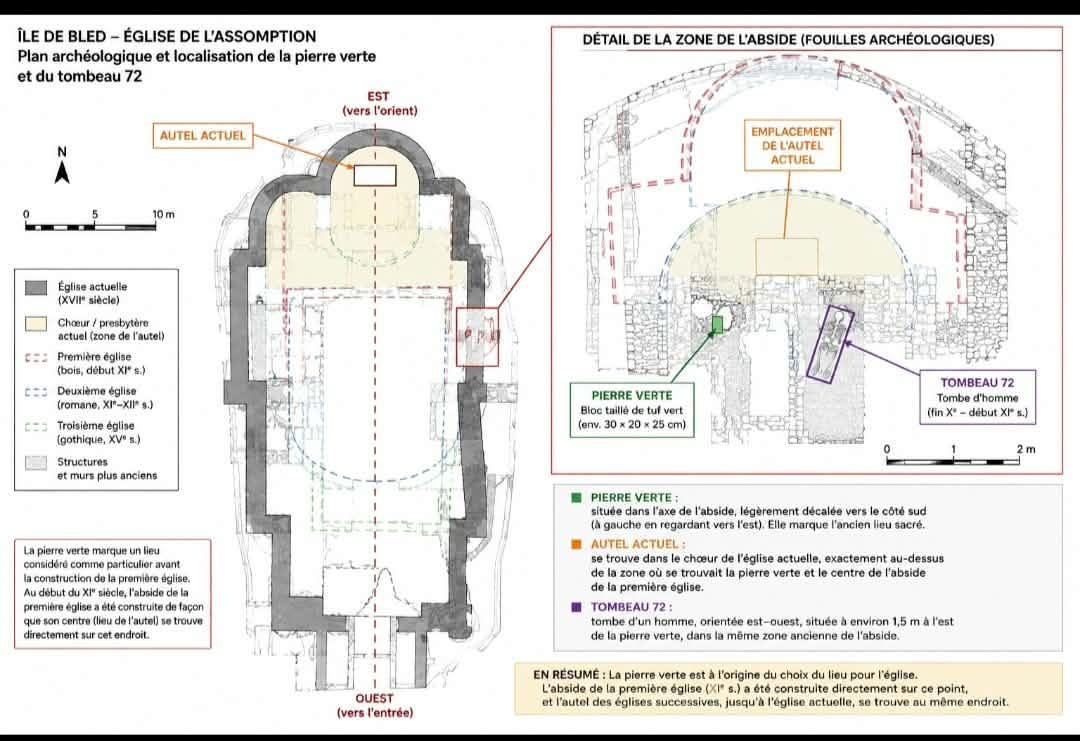
-Beneath the present-day church, archaeologists discovered traces of earlier structures, together with evidence suggesting pre-Christian ritual activity. Recent research has identified a water spring that appears to have played a central role in the island’s ritual system. Nearby, archaeologists also found a carefully positioned piece of green tuff and a sacred hearth. Together, these three elements appear to have formed an important part of the ritual space.
-One particularly fascinating feature is Grave 72, which predates the first church. It was located directly beside the green stone and was oriented in relation to the surrounding funerary landscape. Researchers regard this arrangement as an important indication of the symbolic and religious significance of the site.
-The cemetery contained 124 Early Medieval burials. The grave goods consisted mainly of personal belongings, particularly in the women’s graves, including:
- earrings, especially crescent-shaped examples;
- temporal rings and other hair ornaments;
- rings;
- knives, particularly in some male burials;
- fragments of ceramics;
- as well as various prehistoric objects originating from earlier archaeological layers.
-The jewellery has helped researchers date some of the burials to between the mid-9th and early 11th centuries. Grave 72 has also been subjected to radiocarbon dating.
-Recent scientific research suggests that the island was probably a pre-Christian cult site of local importance, centred particularly around a spring, a stone, and sacred fire. The continuity of the sacred character of the location from the pre-Christian period into the Christian era makes Bled Island a particularly remarkable example of the transformation of an ancient sacred landscape.
Wieslaw J


Laisser un commentaire